
Super Famicom / Wii / Wii U
Developed by Square.
Role-playing (RPG) / Strategy / Turn-based strategy (TBS) / Action / Fantasy
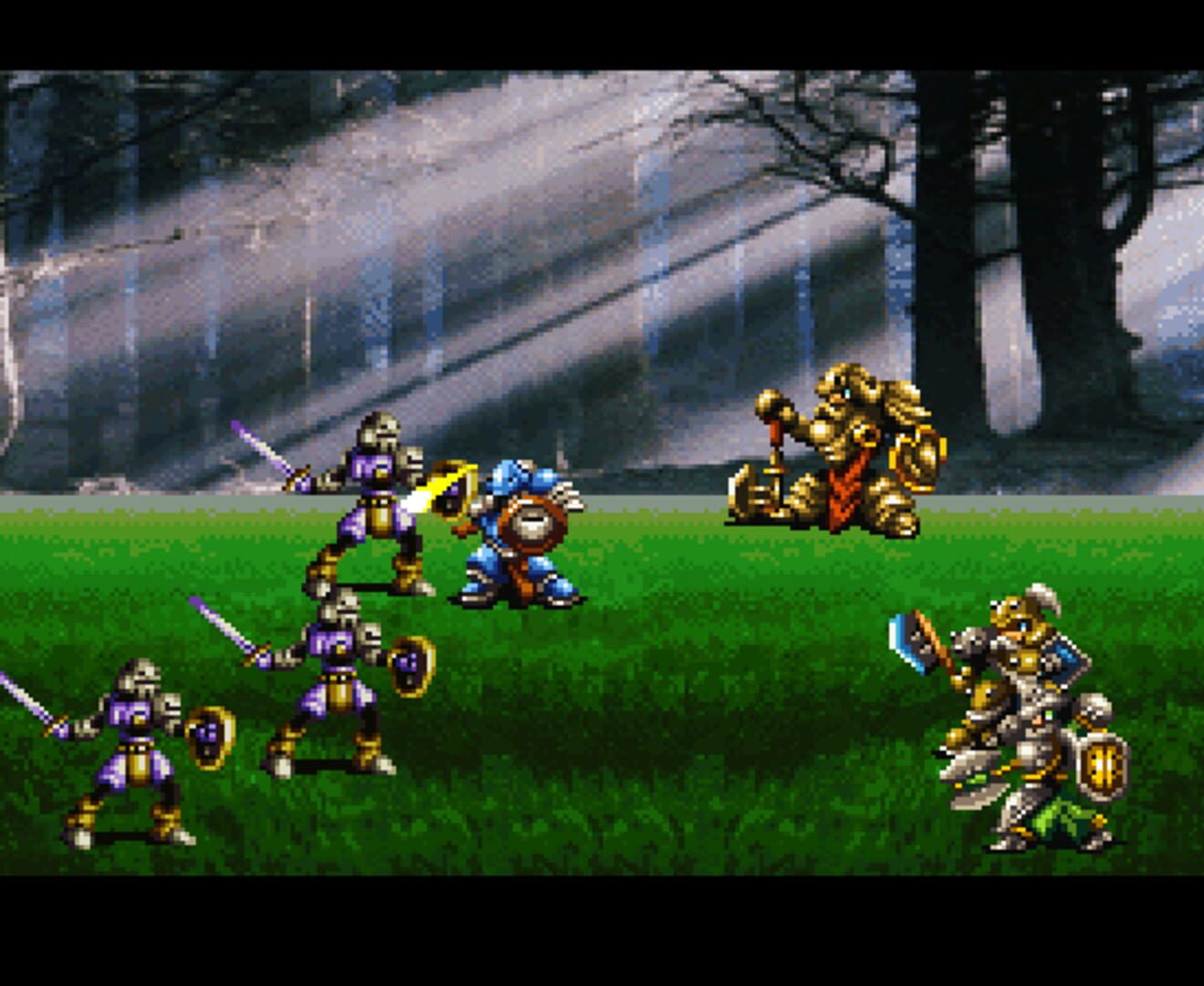
Bahamut Lagoon combines RPG mechanics with squad-based combat. Characters have HP, MP (SP for fighter characters), EXP, equipment, stats and class-specific, SP-draining special elemental abilities very much like traditional console RPGs. The player can explore his surroundings, talk to people and visit shops when not in battle, though to a limited degree as there is no world map and no way to leave the current area. The game's core is its turn-based battles fought on a 2d grid. Characters are assembled into parties of four and the player allowed a maximum of six parties, which are usually well outnumbered. The two opposing sides act in alternating turns so that each party can move once and/or attack once a turn. Attacks are divided into distant and close-up combat. In the former, a party uses a special ability (e.g. casting fireballs, throwing lightning, healing allies) of one of its members at a distance. The range and possible area of effect damage vary per ability. If the attacking party has two or more characters with the same ability, they join in the action to multiply its effectiveness. Distant combat results in less money and generally less damage, but the target cannot retaliate. Distant attacks can also affect the field; fire and ice ignite or extinguish forests and melt or freeze ice, etc. Close-up, each unit in two adjacent opposing parties can act once. Very much like Final Fantasy SNES combat, they can attack an enemy, use an item or a special ability (though these can't be combined and most only affect one target instead of all) or defend. Dragons are the player's ace in the hole. They have their own stats and gain experience like normal characters do. In battle, each party has a dragon attached to it and draws a large portion of its strength from that of its dragon: if a party's dragon is slain, the party will lose the ability to use special attacks and class-specific abilities for the remainder of the map. The beast acts as a very powerful autonomous unit that moves after its party does and it cannot be controlled beyond very simple commands, e.g. "Come!" Out of battle, dragons will eat anything and raising them by feeding them items is an important part of the game. Feeding can improve their stats as well as affect their behavior on the field, and the dragons develop into new forms as they grow. The player can change the characters in each of the parties, their formation as well as what dragon represents them at will.

Role-playing (RPG) / Adventure / Fantasy
Final Fantasy VI is the sixth main installment in the Final Fantasy series, developed and published by Square. It was the final title in the series to feature two-dimensional graphics, and the first story that did not revolve around crystals. The game gives players up to fourteen playable characters, the largest cast in the series, and features the Active Time Battle pseudo-turn based menu command system. A party can consist of up to four characters, though some events require the player to assemble three different parties of up to four and switch between them. Each character has a unique command ability, such as Terra's Trance, Locke's Steal, Edgar's Tools or Sabin's Blitz, and can also learn Magic spells from earning AP from battles with magicite equipped. Each character's rare Desperation Attack will randomly activate after using the Attack command when at critical health.

Role-playing (RPG) / Turn-based strategy (TBS) / Adventure / Fantasy / Open world
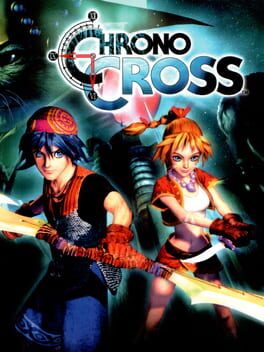
CHRONO CROSS, the sequel to the SNES favorite CHRONO TRIGGER, is one of the most ambitious role-playing games ever made. There are over 40 playable characters, each with their back-story, special moves, abilities, and weapons. The story spans two discs and follows the story of Serge, a young man who is able to cross dimensions. Suddenly he is pulled between worlds, trying to figure out his own past at the same time. The graphics are bright and beautiful, utilizing the PlayStation's capabilities to the fullest. The polygonal character models are huge and detailed, and the pre-rendered backgrounds are immaculately detailed. The music is composed and arranged by Yasunori Mitsuda, and features very realistic-sounding synthesizers. The battle system revolves around Elements, which are used to grant magical powers, as well as to summon huge monsters. For anyone that wanted to see the story of CHRONO TRIGGER continue, this is your chance.

Role-playing (RPG) / Adventure / Card & Board Game / Fantasy / Science fiction
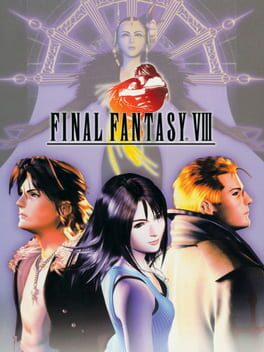
Final Fantasy VIII is the eighth main installment in the Final Fantasy series. The gameplay makes a departure from many series standards. While it still uses the Active Time Battle system, it deviates from the series' traditional means of boosting a character's power via leveling, although levels are not completely abandoned as they were in Final Fantasy II. In addition, it does not have a Magic Point-based system for spell-casting. Instead, magic is collected, drawn, and created from items, and is used to power up the characters via the junction system.

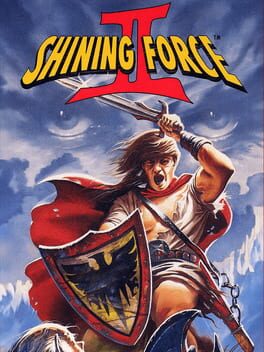
Role-playing (RPG) / Strategy / Turn-based strategy (TBS) / Fantasy
As a student of Astral the wizard, you and your friends study all the usual subjects: reading, writing, and sword fighting. As your time at school draws to an end, dark events are taking place on the island of Grans. The two Jewels which seal the Door to Darkness have been stolen, allowing a creature of awesome power to be unleashed. Finding where the Jewels were taken, and why, is a task only the bravest of adventurers can undertake.

Role-playing (RPG) / Strategy / Turn-based strategy (TBS) / Action / Fantasy
Fate/Extra is a dungeon crawl style Japanese role-playing game. The game takes place in a parallel universe to the visual novel Fate/stay night. At the start of the game, the player may choose to play as either a male or female character, as well as selecting one of three Servants — Saber, Archer, or Caster, each with different strengths and weaknesses. Players spend one ingame "week" interacting with other characters, viewing scenes that advance the game's story, talking to their Servant in their room, and gathering clues to the identity of the enemy Servant. At the end of each day, they enter the Arena, a dungeon in which they can battle monsters to gain experience points and strengthen their Servant. The game's turn-based battle system is comparable to rock-paper-scissors -- "Attack" overpowers "Break", Break overpowers "Guard", and Guard overpowers Attack. During battle, both the player and the opponent line up six such moves at the beginning of each turn.

Role-playing (RPG) / Turn-based strategy (TBS) / Action / Fantasy
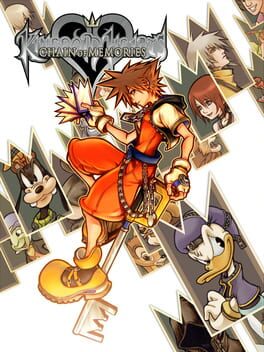
Kingdom Hearts: Chain of Memories is the second game in the Kingdom Hearts series. It is a direct sequel to Kingdom Hearts and exclusive to the Game Boy Advance. It was published by Square Enix and developed by Jupiter, and was released in 2004. Chronologically, it is the third game in the timeline after Kingdom Hearts Birth by Sleep and Kingdom Hearts, and takes place during Kingdom Hearts 358/2 Days.

Role-playing (RPG) / Strategy / Turn-based strategy (TBS) / Action
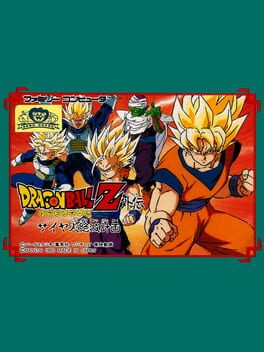
You control five various Dragon Ball characters in this game: Son Goku, Son Gohan, Piccolo, Vegeta, and Future Trunks. The game is based on training your characters, and fighting with them. The outcomes of the fights are determined by the player choosing different cards he has at his disposal, and combining them to create various attacks.

Role-playing (RPG) / Strategy / Turn-based strategy (TBS) / Fantasy / Historical
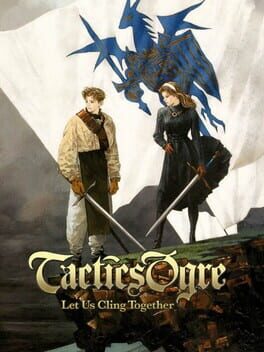
Tactics Ogre is a 3D isometric tactical role-playing game. The player starts out with a band of troops, builds a small army and fights many battles with choices to make in between, that will determine which one of the eight possible endings will be reached in a non-linear storyline. The player has the option to recruit characters, control individual equipment of each character, with over six male character classes, six female character classes, three demi-human classes, and more. It is also possible to train at safe locations to prepare the army before the next battle or storyline advancement.