Developed by Sme.
Role-playing (RPG) / Strategy / Turn-based strategy (TBS) / Action / Fantasy
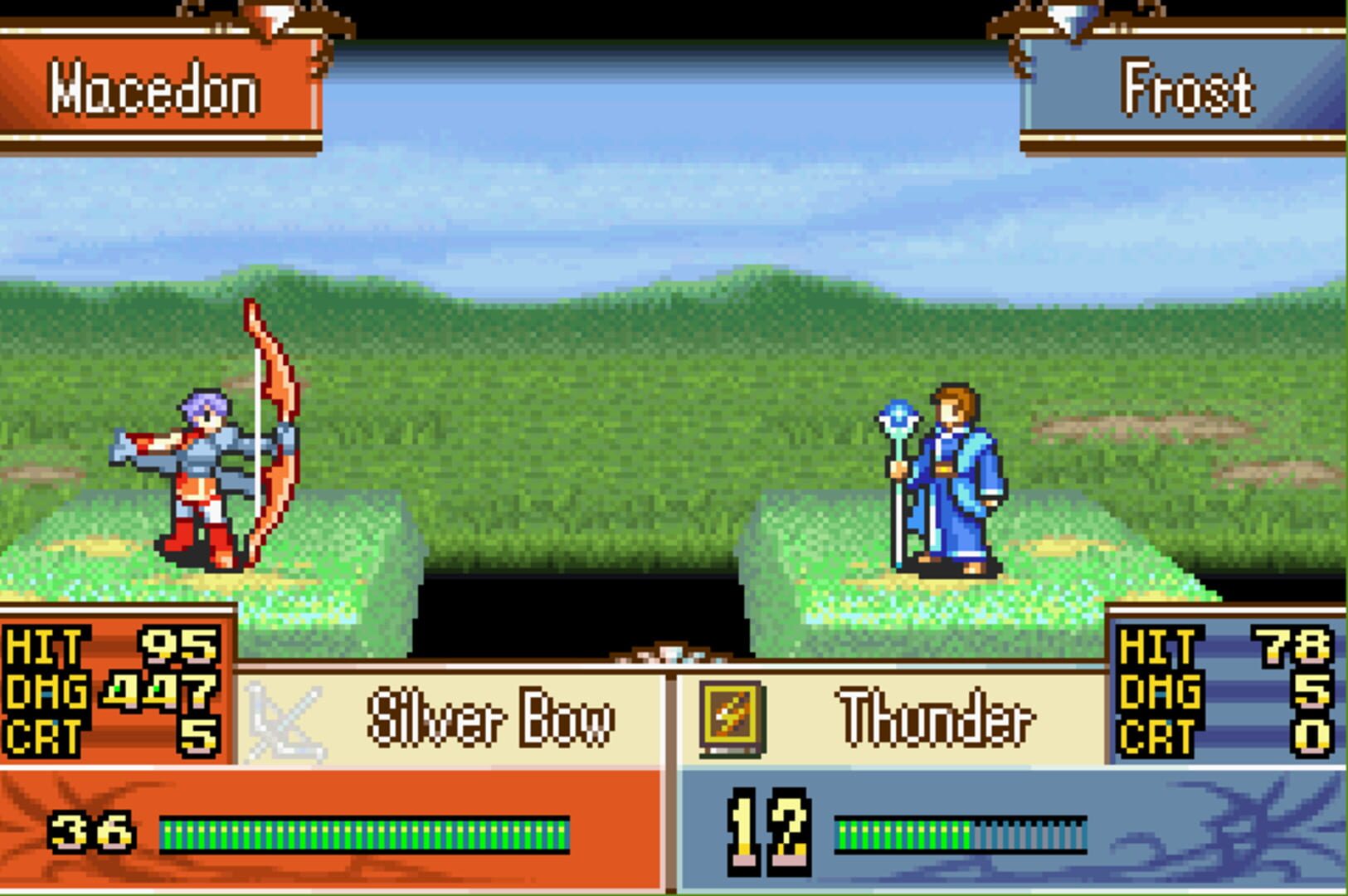
BS Fire Emblem: Archanea Saga is a mod of Fire Emblem: The Sacred Stones which recreates the story and gameplay of BS Fire Emblem: Archanea Senki Hen, a Japan only Satellaview game which can't be played in its original state anymore.

Role-playing (RPG) / Strategy / Turn-based strategy (TBS) / Fantasy
Fire emblem 8 rom hack

Role-playing (RPG) / Turn-based strategy (TBS) / Adventure / Action / Fantasy
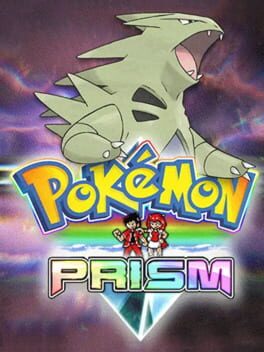
Pokémon Prism is a super customized Pokémon Crystal mod that takes place in a previously unexplored region. It contains new mechanics unseen in its inspired franchise, while refining existing gameplay. Boasting an expansive landscape to adventure in filled with unique challenges, fresh areas to explore, and new ways to play, Pokémon Prism is an entirely new experience that gamers of all ages are sure to enjoy! Pokémon Prism was planned to be released on December 25, 2016. It was cancelled several days prior to release, on December 21, following a cease and desist by Nintendo in which all the developer's ROM hacks were pulled offline, but later leaked onto the Internet.

Role-playing (RPG) / Strategy / Adventure / Action / Fantasy
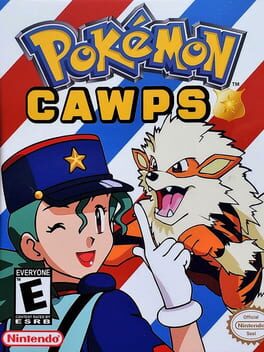
Pokemon CAWPS is a Pokemon game where players will take the role of a Police Officer in the Hoenn region. People here are not the normal like usual, they are more realistic (maybe you can call them insane).

Role-playing (RPG) / Strategy / Turn-based strategy (TBS) / Action / Fantasy
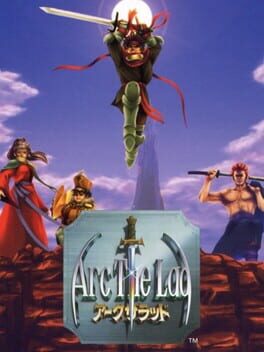
Arc the Lad is a tactical role-playing video game developed by G-Craft for the PlayStation and is the first game in the Arc the Lad series. It was released in 1995 in Japan, and released in North America on April 18, 2002, as part of Arc the Lad Collection. The Japanese released was published by SCEI, while the North American release was published by Working Designs. It was the best-selling Japanese PlayStation game of 1995 with over a million copies sold. Arc the Lad was followed by two direct sequels and many games that make up the series.

Role-playing (RPG) / Strategy / Turn-based strategy (TBS) / Action / Fantasy
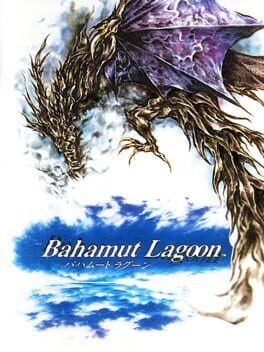
Bahamut Lagoon combines RPG mechanics with squad-based combat. Characters have HP, MP (SP for fighter characters), EXP, equipment, stats and class-specific, SP-draining special elemental abilities very much like traditional console RPGs. The player can explore his surroundings, talk to people and visit shops when not in battle, though to a limited degree as there is no world map and no way to leave the current area. The game's core is its turn-based battles fought on a 2d grid. Characters are assembled into parties of four and the player allowed a maximum of six parties, which are usually well outnumbered. The two opposing sides act in alternating turns so that each party can move once and/or attack once a turn. Attacks are divided into distant and close-up combat. In the former, a party uses a special ability (e.g. casting fireballs, throwing lightning, healing allies) of one of its members at a distance. The range and possible area of effect damage vary per ability. If the attacking party has two or more characters with the same ability, they join in the action to multiply its effectiveness. Distant combat results in less money and generally less damage, but the target cannot retaliate. Distant attacks can also affect the field; fire and ice ignite or extinguish forests and melt or freeze ice, etc. Close-up, each unit in two adjacent opposing parties can act once. Very much like Final Fantasy SNES combat, they can attack an enemy, use an item or a special ability (though these can't be combined and most only affect one target instead of all) or defend. Dragons are the player's ace in the hole. They have their own stats and gain experience like normal characters do. In battle, each party has a dragon attached to it and draws a large portion of its strength from that of its dragon: if a party's dragon is slain, the party will lose the ability to use special attacks and class-specific abilities for the remainder of the map. The beast acts as a very powerful autonomous unit that moves after its party does and it cannot be controlled beyond very simple commands, e.g. "Come!" Out of battle, dragons will eat anything and raising them by feeding them items is an important part of the game. Feeding can improve their stats as well as affect their behavior on the field, and the dragons develop into new forms as they grow. The player can change the characters in each of the parties, their formation as well as what dragon represents them at will.
Role-playing (RPG) / Strategy / Turn-based strategy (TBS) / Action / Fantasy
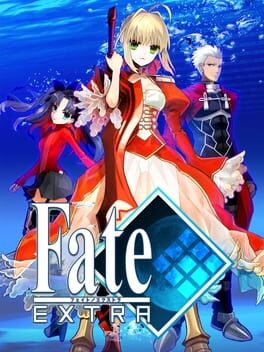
Fate/Extra is a dungeon crawl style Japanese role-playing game. The game takes place in a parallel universe to the visual novel Fate/stay night. At the start of the game, the player may choose to play as either a male or female character, as well as selecting one of three Servants — Saber, Archer, or Caster, each with different strengths and weaknesses. Players spend one ingame "week" interacting with other characters, viewing scenes that advance the game's story, talking to their Servant in their room, and gathering clues to the identity of the enemy Servant. At the end of each day, they enter the Arena, a dungeon in which they can battle monsters to gain experience points and strengthen their Servant. The game's turn-based battle system is comparable to rock-paper-scissors -- "Attack" overpowers "Break", Break overpowers "Guard", and Guard overpowers Attack. During battle, both the player and the opponent line up six such moves at the beginning of each turn.

Role-playing (RPG) / Strategy / Turn-based strategy (TBS) / Action / Fantasy
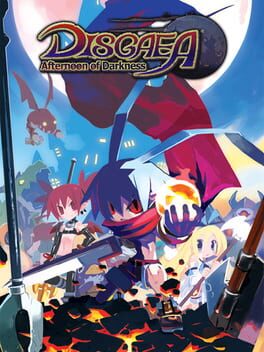
Disgaea is a tactical role playing game. Battle gameplay takes place on a map divided into a square grid. The player controls a squad of humanoid units and monsters, which each occupy a single square of the grid and do combat with a group of enemies. Depending on the character and attack selected, the player will be able to deal damage to a specific enemy unit or a designated region of the map. Combat ends when all enemy units or all of the player's units are destroyed. Humanoid characters may lift and throw other units across the map in order to allow allies to move further or force enemies to keep their distance. This even allows the player to capture enemies by throwing them into the base panel; these enemies then become allies, and can be used on subsequent maps. The chance of capturing an enemy in this manner depends on several factors. Failure to capture the enemy will result in the death of all characters inside the base panel, and the enemy will survive.

Role-playing (RPG) / Strategy / Turn-based strategy (TBS) / Action / Fantasy
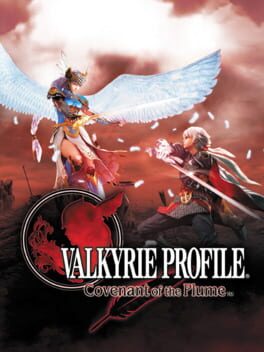
The origins of a cult classic are revealed in VALKYRIE PROFILE: Covenant of the Plume, the third entry in the critically acclaimed VALKYRIE PROFILE series. Development studio tri-Ace returns to craft a gameplay experience that boasts a captivating storyline with ties to Norse mythology and a familiar yet refreshing battle system enhanced with deeper strategic elements.