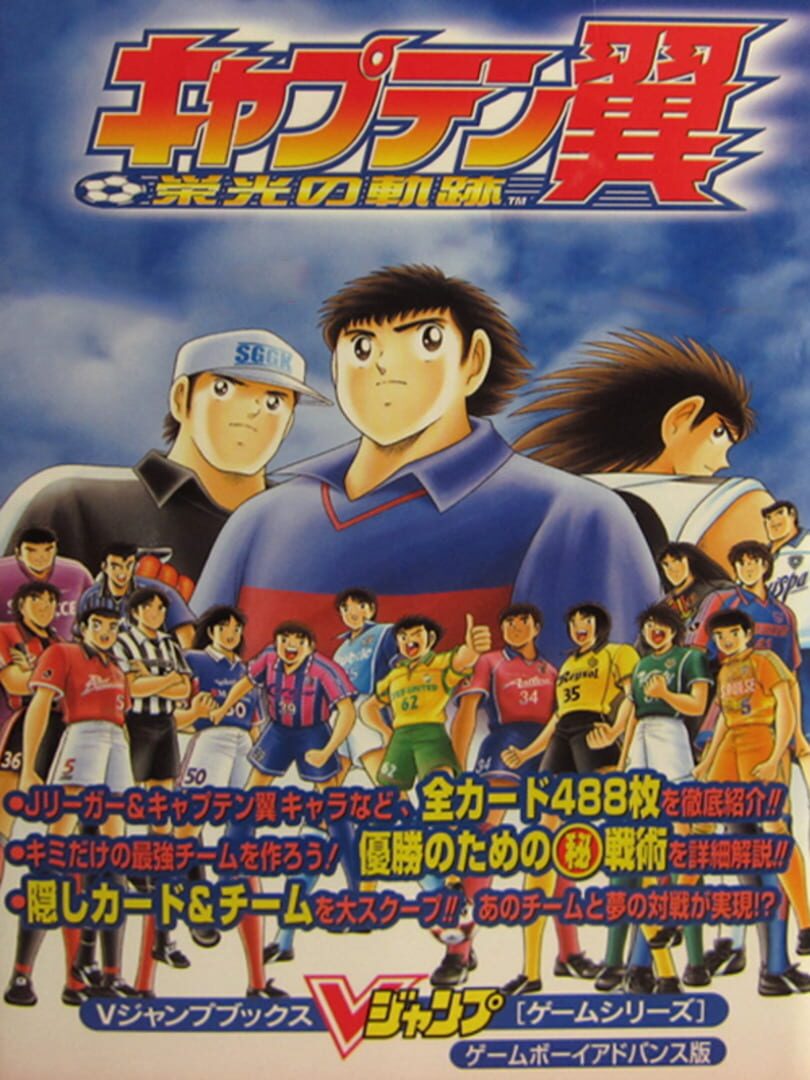
Captain Tsubasa: Eikou no Kiseki is a Sports game, developed and published by Konami, which was released in Japan in 2002.
Featured in
Captain Tsubasa: Eikou no Kiseki is a Sports game, developed and published by Konami, which was released in Japan in 2002.
Real Time Strategy (RTS) / Sport / Strategy / Fantasy
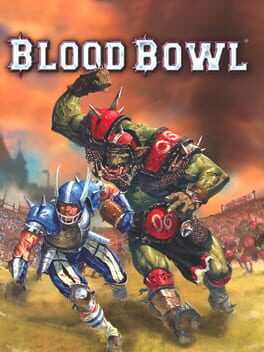
Blood Bowl is a combination of a tactical and sports game. The basics are extremely simple: two teams, one ball. The team that carries the ball into the opponent's end zone scores a touchdown, the team with the most touchdowns at the end of the game is the winner. However, it’s how you decide to do this that makes things interesting, the ends justify the means! It’s not just the players you have at your disposal either. You can bribe the referee to look the other way as you cripple or trample annoying opponents and hire illegal wizards to give you a hand directly from the crowd… Blood Bowl severely tests the finest tacticians' strategies. There are many races to accommodate every player’s profile (23 in the Chaos Edition, 20 in the Legendary Edition, 9 in the Standard Edition) and even more strategies for experimenting. Winning a game requires a strong game-sense and a lot of self-control. For the player's enjoyment, omnipresent humour and the use of spells, weapons, and other non-regulatory actions place Blood Bowl outside of the classic sport simulation genre.
Role-playing (RPG) / Sport / Strategy
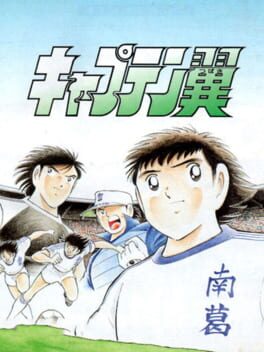
Captain Tsubasa Vol. II: Super Striker is the second game in the titular franchise, a role-playing take on the sport of soccer.
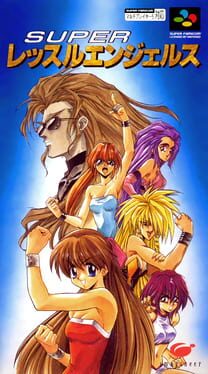
Super Wrestle Angels is a all female professional wrestling simulation game by Great and published by Imagineer. The first playing mode can be described as a 'professional wrestling group management mode', which is the original feature of this Super Famicom version. There, the player takes the role of a woman wrestling group manager, picks a team and schedules practices, fights, entertainment and helps his cute wrestlers to elevate their professional careers. The other modes are more oriented towards actual fighting, and gets the player to pick female wrestlers and organize versus wrestling matches. However, Super Wrestle Angels is based around a popular Japanese wrestling card game, and because of this, all the matches are round based and opponents pick-up cards to decide of their next move.
Sport / Strategy / Turn-based strategy (TBS)
Compete in 28 summer sporting events to be crowned the world's best athlete.
Role-playing (RPG) / Sport / Strategy / Action
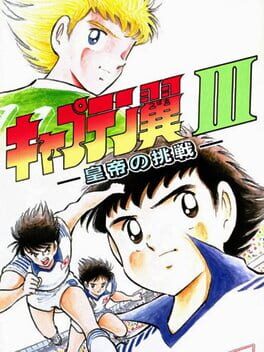
The first Captain Tsubasa game released on the Super Famicom. Captain Tsubasa III: Koutei no Chousen ("Kaiser's Challenge") is a soccer RPG based on the Captain Tsubasa manga and anime. It is the third game in the series, and the first for the Super Nintendo. As was the case with its forebears, Koutei no Chousen uses a semi-turn-based RPG format in which the player selects commands dependent on whether or not they have possession of the ball. The game follows the story of the manga to some extent. Besides the obvious graphical upgrade moving from 8-bit to 16-bit, Koutei no Chousen now allows the player to see a map of the pitch to help them strategize.
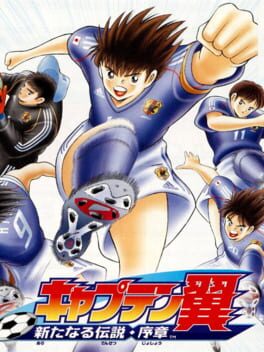
Released in 2002 for the PlayStation.
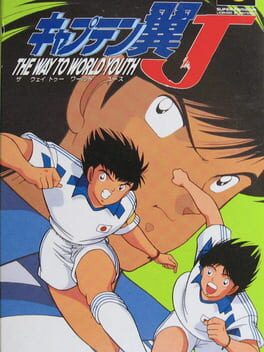
The fourth and last Captain Tsubasa game released on the Super Famicom. Takes its inspiration from a sequel anime series released in the 90s rather than the 80s original.
Role-playing (RPG) / Strategy / Turn-based strategy (TBS) / Action / Fantasy
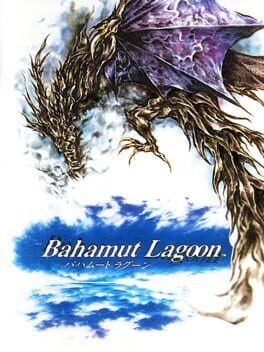
Bahamut Lagoon combines RPG mechanics with squad-based combat. Characters have HP, MP (SP for fighter characters), EXP, equipment, stats and class-specific, SP-draining special elemental abilities very much like traditional console RPGs. The player can explore his surroundings, talk to people and visit shops when not in battle, though to a limited degree as there is no world map and no way to leave the current area. The game's core is its turn-based battles fought on a 2d grid. Characters are assembled into parties of four and the player allowed a maximum of six parties, which are usually well outnumbered. The two opposing sides act in alternating turns so that each party can move once and/or attack once a turn. Attacks are divided into distant and close-up combat. In the former, a party uses a special ability (e.g. casting fireballs, throwing lightning, healing allies) of one of its members at a distance. The range and possible area of effect damage vary per ability. If the attacking party has two or more characters with the same ability, they join in the action to multiply its effectiveness. Distant combat results in less money and generally less damage, but the target cannot retaliate. Distant attacks can also affect the field; fire and ice ignite or extinguish forests and melt or freeze ice, etc. Close-up, each unit in two adjacent opposing parties can act once. Very much like Final Fantasy SNES combat, they can attack an enemy, use an item or a special ability (though these can't be combined and most only affect one target instead of all) or defend. Dragons are the player's ace in the hole. They have their own stats and gain experience like normal characters do. In battle, each party has a dragon attached to it and draws a large portion of its strength from that of its dragon: if a party's dragon is slain, the party will lose the ability to use special attacks and class-specific abilities for the remainder of the map. The beast acts as a very powerful autonomous unit that moves after its party does and it cannot be controlled beyond very simple commands, e.g. "Come!" Out of battle, dragons will eat anything and raising them by feeding them items is an important part of the game. Feeding can improve their stats as well as affect their behavior on the field, and the dragons develop into new forms as they grow. The player can change the characters in each of the parties, their formation as well as what dragon represents them at will.