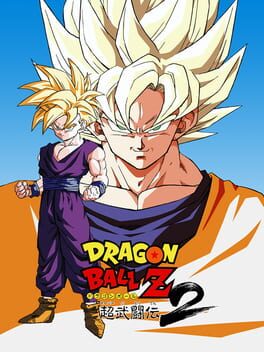
The second installment of the Super Butoden series focuses on the battles during (and shortly after) the "Cell Saga" arc of the Dragon Ball series. It is one of the few games in the series to focus on stories from the series's animated films. Although having a French release, the first time the game was released in North America was when it was distributed as a bonus digital copy for the consumers who pre-ordered Dragon Ball Z: Extreme Butouden. This version was untranslated from Japanese and still with the Japanese title.
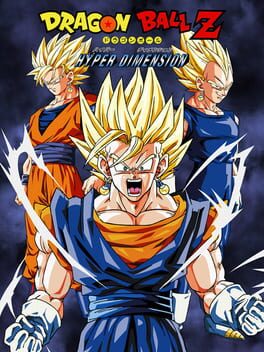
Dragon Ball Z: Hyper Dimension is a 2D fighting game and the last DBZ game made for the Super Famicom (SNES). It is based around the most memorable battles from DBZ and introduces more traditional and fluid combat mechanics.
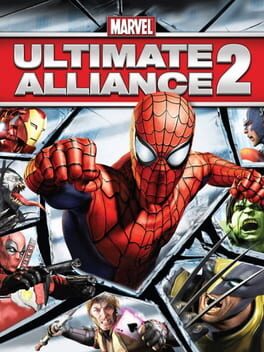
Role-playing (RPG) / Hack and slash/Beat 'em up / Adventure / Action / Science fiction
Marvel: Ultimate Alliance 2 is the second game in the Marvel: Ultimate Alliance series, and is loosely based on the events of the Civil War comic book story line. It brings with it a larger roster of heroes and villains to play as, as well as more ways to utilize your team in battle.
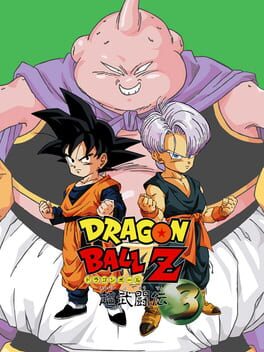
The third and final installment of the original Super Butouden trilogy brings the series to the Majin Buu Saga of the Dragon Ball Z story.
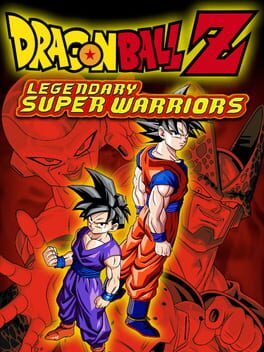
Fighting / Role-playing (RPG) / Strategy
Dragon Ball Z: Legendary Super Warriors is a mixture of a card game and a turn-based fighting game for the Game Boy Color. The game is played with original in-game cards for attacks, techniques and support items and initially has only two modes trade and story. Legendary Super Warriors’ story spans from the Saiyan saga to the end of the Buu Saga. Once beaten, a battle mode is unlocked, allowing players to square off with random enemies. Once the game is beaten, any character is usable in any battle, such as Frieza vs. Cell.
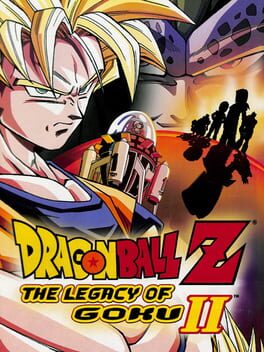
Role-playing (RPG) / Adventure / Action / Fantasy
Dragon Ball Z: The Legacy of Goku II was released on June 17, 2003. The plot of the game picks up where The Legacy of Goku left off, and continues until the end of the Cell Games Saga when Gohan defeats the evil android Cell. The game introduced several new concepts to the series. The first was transformations, which allowed characters to become temporarily stronger, at the cost of slowly draining their energy. It also introduced the scouter, which allowed players to look up the stats of other characters in the game, as well as basic information about them. The game also introduced charged melee attacks, which allowed characters to unleash a powerful physical strike after a short charging period. The game also allowed characters to further supplement their stats with capsules that were scattered around the game world. Despite being titled "The Legacy of Goku" this game featured the most limited play as the character Goku. Due to the game's success, a second version was released titled Dragon Ball Z: The Legacy of Goku II International exclusive to Japan on July 23, 2004. In this version all characters were given new profile images and their names were reverted to their original Japanese. However, Mister Satan still retains his English name "Hercule" on the front of his parade float. [Source] - Wikipedia.
Role-playing (RPG) / Adventure / Action
Dragon Ball Z: Buu's Fury is the third and final game in the series. It was released on September 14, 2004 in North America. The game focuses on the final parts of the Dragon Ball Z series (season 7), namely the battles with Majin Buu. The game added several new additions to the series. First, the game added equipment, which could be equipped to characters to alter their stats and provide various other benefits. The game also allowed players to allocate their own stat points, of which three were given per level. Also added was the ability to block by holding the R button, and also to energy block by holding the B button while blocking. Using the energy block slowly drains the user's energy gauge. Both techniques greatly decrease the amount of damage that is received from attacks. The game also added various other features such as fusions and the ability to transform into a Super Saiyan 3. Although many features were added, the ability to use charge attacks by holding and releasing the A button was eliminated. The dialogues used in the English edition of the game are very similar, and sometimes identical, to the ones used in the English dubbed animated series.
The first fighting game bearing the Dragon Ball license, Super Butouden covers some of the series's key battles (from Goku's battle with Piccolo to the Cell Games).