
Developed by Atari.
Shooter / Arcade / Fantasy / Science fiction
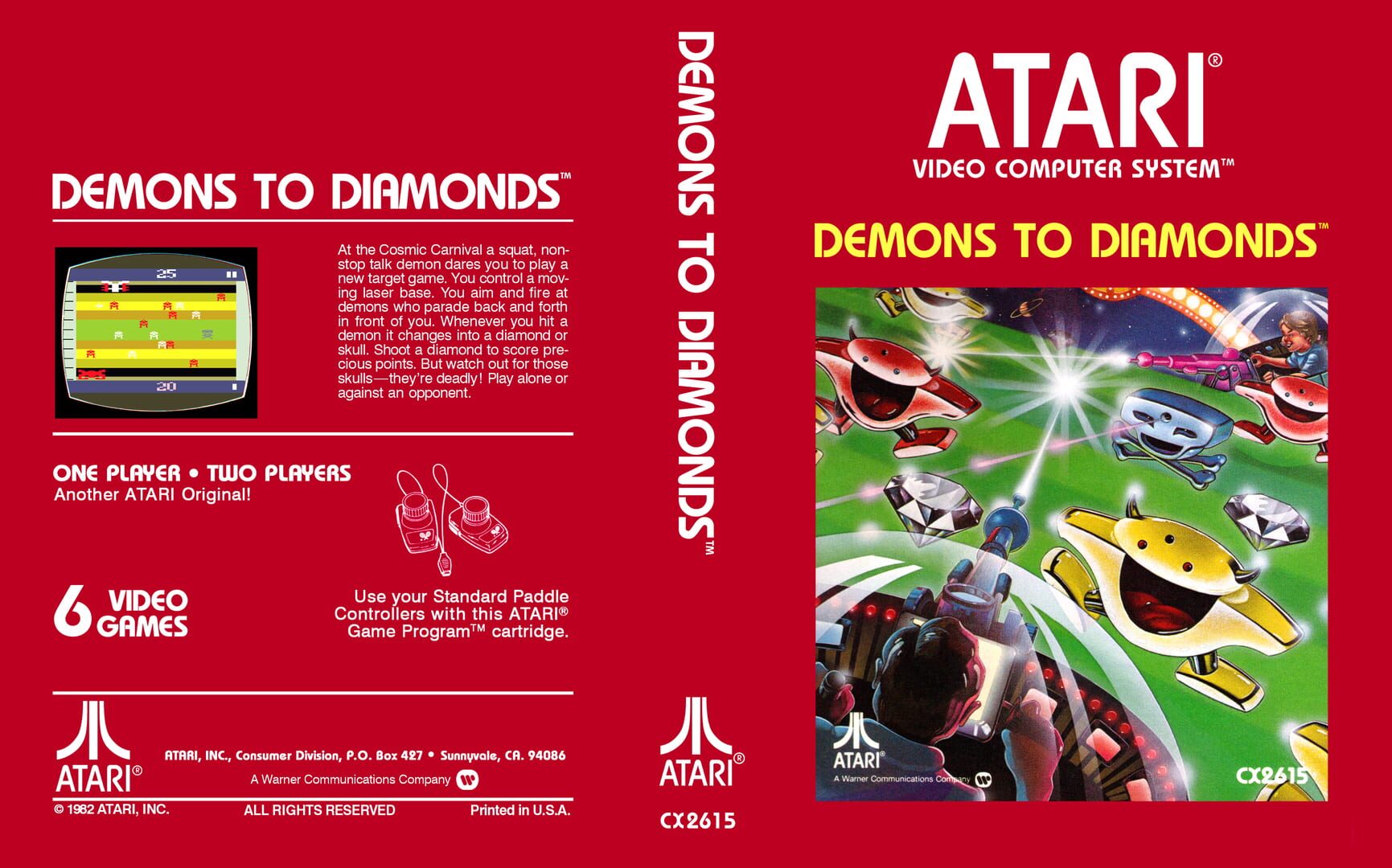
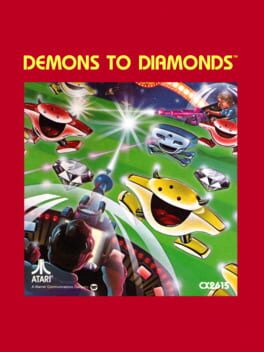
Players attempt to shoot demons in a "cosmic carnival" and then pick up the diamonds left behind by them, while dodging shots from enemy skulls. The player operates a laser base at the bottom of a multi-row playfield, using the paddle controller to move it from side to side and the controller's action button to fire a laser beam vertically up the playfield. The player can control how far onto the playfield the beam advances by releasing the button at the desired height. The player receives one point for each demon and ten points for each diamond successfully shot. Points are multiplied by the distance from the base to the target. For example, a demon shot one row above the player is worth one point, while a demon shot four rows above the player is worth four points. In multiplayer mode, the second player operates a laser base at the top of the screen, firing from top to bottom. Again, the second player must shoot demons that match the color of its gun in order to produce diamonds. However, diamonds may be shot by either player. Also, skulls are capable of shooting both up and down the playfield. In select variations of the game, the players can shoot their opponent's laser gun in order to deplete their stock of extra lives. In both single and multiplayer versions, players begin with five lives. One life is lost when the player's laser base is hit by a laser beam fired by a skull or by an opponent, depending on the game variation being played. The game ends when all lives are lost; in multiplayer versions, the surviving player receives a bonus for each life remaining.
Shooter / Arcade / Action / Fantasy
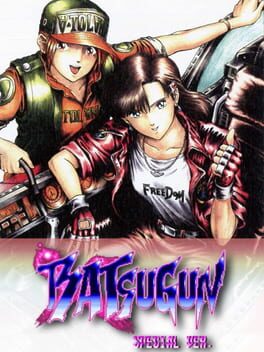
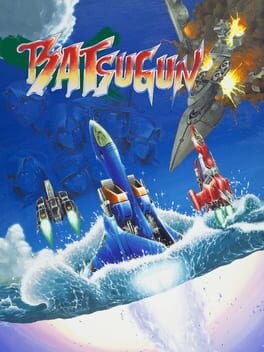
Batsugun is a vertically scrolling shoot 'em up video game created by the now-defunct Japanese game developer Toaplan. The title translates to "exceptional" or "extraordinary". It was the final game created before Toaplan's dissolution, and has been regarded as a key title in the development of the modern manic shooter, with elements of the game such as the size of the player's hitbox, the scale of their firepower, and the complexity of enemy bullet patterns all having an influence on future titles in the sub-genre. Members of the development team also went on to work on other successful manic shooters, most notably lead artist Junya Inoue.

Shooter / Arcade / Action / Science fiction
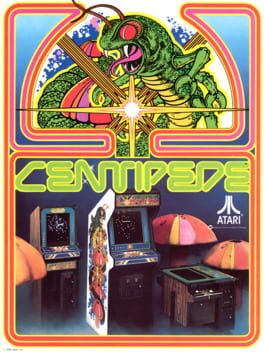
Centipede is a vertically-oriented shoot 'em up arcade game produced by Atari, Inc. in 1980. The game was designed by Ed Logg along with Dona Bailey, one of the few female game programmers in the industry at this time. It was also the first arcade coin-operated game to have a significant female player base. The player defends against swarms of insects, completing a round after eliminating the centipede that winds down the playing field.

Shooter / Arcade / Action / Fantasy
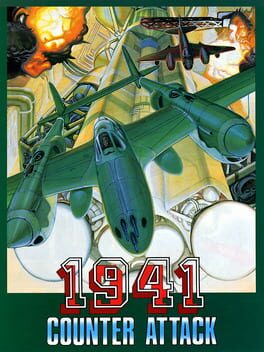
The year: 1941. The place: 20,000 feet in the air over the North Atlantic. Lightning flashes across the skies of war-torn Europe. Your mission: beat back the imperial forces before they can use their new weapon! In 1941: Counter Attack, the goal is to shoot down enemy airplanes and collect weapon power-ups. It is the prequel to 1942, and the third game in the 19XX series.

Shooter / Platform / Arcade / Science fiction
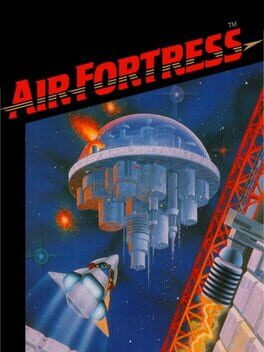
Air Fortress is a video game published in Japan for the Nintendo Entertainment System released in Japan in 1987 and later in North America in 1989. Only a total of 385 copies of the game were shipped to the United States in 1987, and it is believed that only 20 were shipped beforehand as a test run for the system. Within PAL-A regions, it was only released in Australia. This makes the American version of the game very rare.

Shooter / Platform / Arcade / Action / Fantasy
Mutant Night is a shoot'em up game of the "run & gun" type : the players controls a walking character shooting at enemies while avoiding their attacks.[4] Unlike most run&gun games, Mutant Night has almost no platform part and the character's shooting power is very limited : short range and not multi-directional, the bubble are always shot in the direction the character is facing. The game is divided in various levels or acts and focuses on fast-paced action and memorization. The levels are very short and straightforward, with a level design relying only on enemies attack patterns and on the game's physics to challenge the player. Mutron-kun can walk left or right, shoot bubbles and jump, and hurries to reach a small trapdoor at the end of each level. The difficulty curve of the game increases significantly after the first level and can be somewhat unforgiving. Power ups are available in the form of small pink pods on the ground which when shot release a coloured orb into the air, which can do one of the following: make Mutron-kun very large and invincible for a short period, transform Mutron-kun into multiple creatures, award extra points or grant increased fire power in a scatter shot pattern.

Shooter / Arcade / Action / Fantasy
A second edition, titled Batsugun Special Version, was showcased to attendees at the 1994 AOU Show in Japan but it was never officially released in arcades, as Toaplan slid into bankruptcy and this special version appeared on the secondary video game collecting market after the company vanished. The special version featured a number of changes compared to the original version including a much smaller hitbox, a shield protecting the player from one hit, more powerful bombs, new scoring items, and the addition of multiple loops of increasing difficulty after completing the initial loop, among other changes.

Shooter / Platform / Arcade / Action / Fantasy
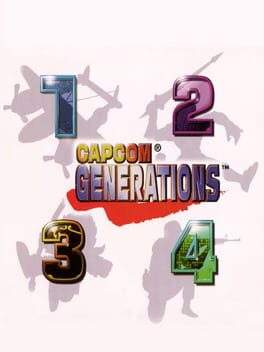
Capcom Generations (Capcom Generation in Japan) was a retrospective series of five collections of Capcom's greatest games from their early days. All (except for Super Ghouls 'n Ghosts, made for the SNES) were direct ports of the original arcade games. The series was released for the PlayStation and the Sega Saturn in 1998. Only the first four volumes were released in Europe, with the fifth retitled Street Fighter Collection 2. Only the last volume (Street Fighter Collection 2) was released in North America. This all changed when they were repackaged as Capcom Classics Collection.

Shooter / Platform / Arcade / Action / Science fiction
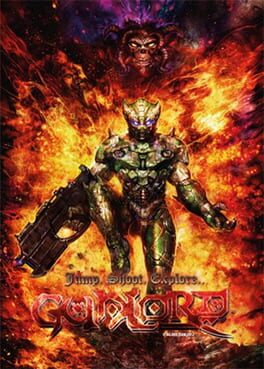
After the space pilot Vanessa Gaiden defeated the Evil Empire in the events of the game Last Hope, she got missing on her way back and wasn't heard of anymore. Vanessa's husband, Gordian Gaiden, sets out to search for her. Meanwhile, a new evil has appeared in the galaxy: a planet lord called "The Master", who can create and control evil beings made of steel, and uses his power to terrorize the galaxy. On his search, Gordian comes across the evil presence of The Master and sets out in his Gunlord suit for the planet Kairos II.