
Developed by Automata U.K. Limited for Electric Dreams Software.
Music / Puzzle / Simulator / Science fiction
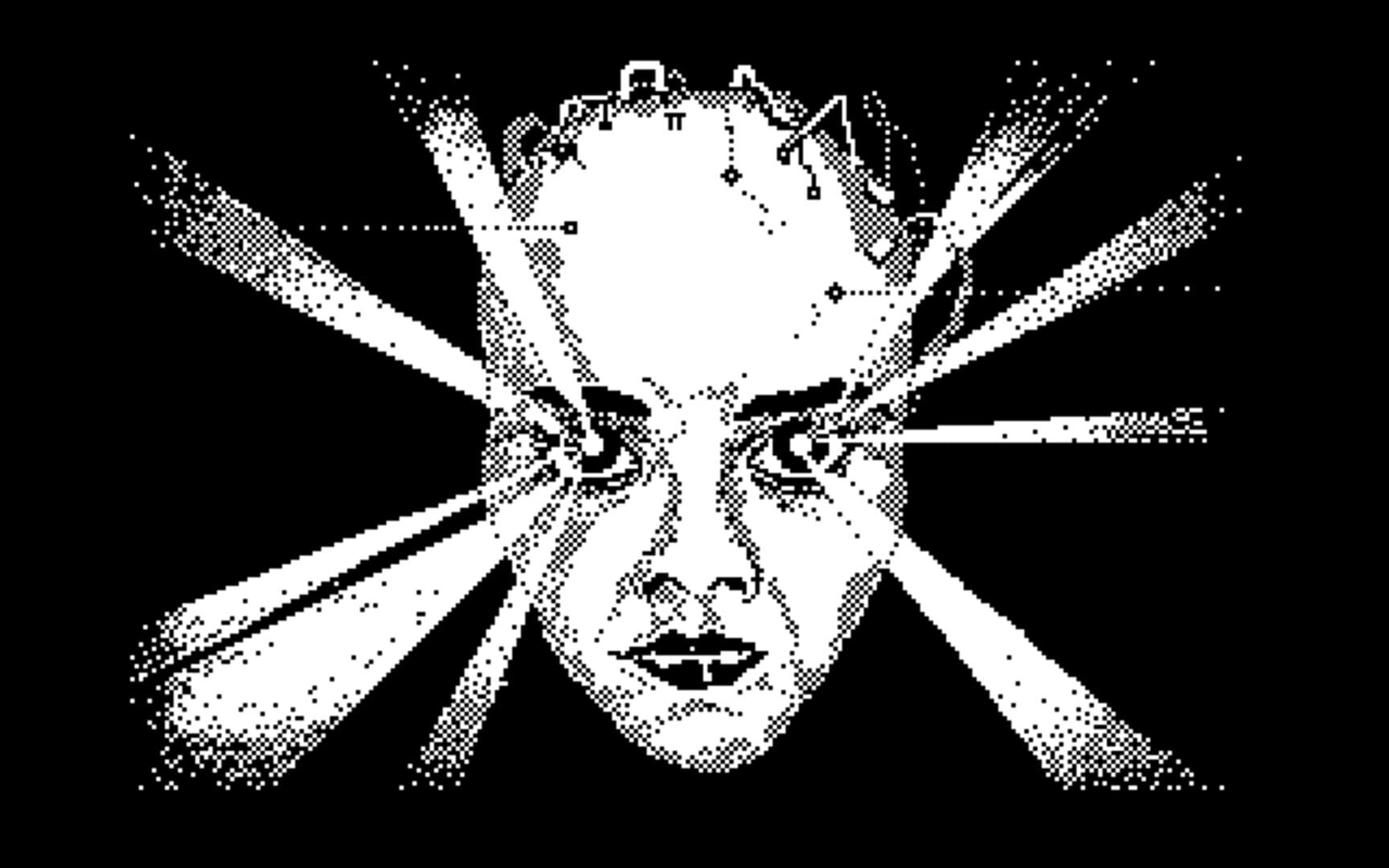
Deus Ex Machina is a 1984 ZX Spectrum and Commodore 64 surrealistic game with a heavy focus on sensory experience above interactive gameplay. You play a defect - a human form that has formed within an all controlling A.I. While the defect police is after you, your humanlike Alter Ego transforms through several stages of a human being. While the game does not offer any audio, the story is progressed through the narrative on the audio cassette which accompanies the game and has a running time of roughly 45 minutes - the amount of time the game is meant to play in one sitting.
In the year 1987, the Department of Health and Social Security, Police and State Security records of the United Kingdom were co-ordinated within a central computerised data bank. The following year, all passport, communications and censorshop operations were integrated. In 1994, this computer network became responsible for the total defence and internal security of westblock. Tuesday evening, after tea and compulsory preayers, the machine rebelled....

Music / Puzzle / Simulator / Educational / Kids
Mario Paint is an educational game that allows anyone to create simple pictures, paint over black and white pictures, or free draw their own using the specially developed SNES Mouse. The player can also create their own piece of music using a selection of notes and themes, create greeting cards and animations, or play a game of "Gnat Attack", where they use the mouse to control a swatter to swat flies.


In Auditorium, the player uses various game mechanics to bend streams of light particles to fill audio containers. As each of the audio containers is filled, an audio channel introducing an instrument or sound is added to the game's music. In most levels, the audio containers are a variety of colors which the particle stream must match in order to fill it. The player changes the color of the stream by manipulating it over fixed areas of the level which dye the particles as they pass through them. The goal of each level is to direct and split the stream in such a way that each audio container is filled simultaneously, revealing the level's full soundtrack.

Music / Puzzle / Simulator / Science fiction / Horror
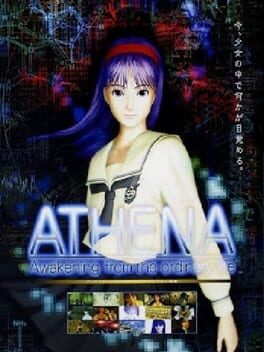
Athena: Awakening from the Ordinary Life is a 3D RPG game developed by Yumekobo and published by SNK released in March 1999 for the PlayStation. It was released again as a PSOne Classic on PSN for the PlayStation 3 and PSP on August 28, 2007. The game's image song, "wannabe /Misty Eyes", was performed by RUMI . The game's story is notorious for being much darker than other Athena related titles.

Music / Puzzle / Strategy / Science fiction / Kids
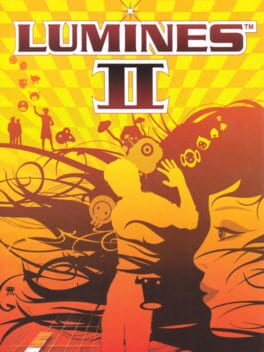
The gameplay in Lumines II is very similar to its predecessor, Lumines. The object is still to move blocks of four different colored squares across the board; while trying to create a single square of the same color. This all must be done before a "timeline" crosses the screen deleting the squares that you make. Deleting four or more squares will add a bonus multiplier to your score. (Refer to the Gameplay section of Lumines for more details). There is no Infrastructure gameplay in Lumines II. The game is visually similar to Lumines Live! and the PC port of Lumines during both gameplay and in the menus.

Music / Puzzle / Simulator / Action / Party
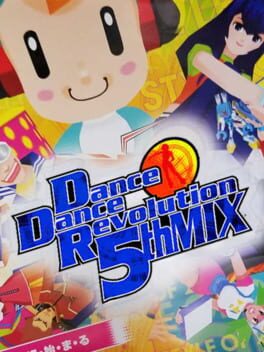
Dance Dance Revolution 5thMIX, or DDR 5th Mix, is the 5th game in the Dance Dance Revolution series of music video games. It was released to the arcades by Konami on March 27, 2001. Although only officially released in Japan, units exist worldwide. DDR 5th Mix contains a total of 122 songs, nine of which are hidden and unlockable. Of those songs, 40 of them (including all nine unlockable songs) are brand new to Dance Dance Revolution.

Music / Puzzle / Simulator / Party
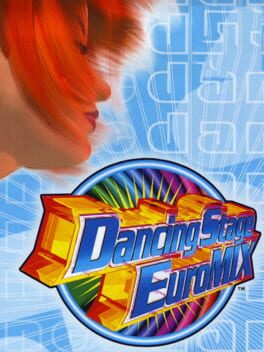
Dancing Stage EuroMix is the 2nd release of the Dancing Stage series, the European version of Dance Dance Revolution series of music video games by Konami. The arcade version was released in 1999, followed by the Sony PlayStation version in 2001. An updated "Internet Ranking" version of the arcade machine was released later on, containing 6 new tracks (as advertised by a sticker on the game's name banner). To date, Dancing Stage EuroMIX is one of only two European home versions of the Dancing Stage franchise to coincide with an arcade game, the 2nd one being Dancing Stage Supernova. The game is based on the same interface and engine as the Japanese game Dance Dance Revolution 3rdMix, except with a songlist that is a cut-down hybrid of Dance Dance Revolution 2ndMix and Dance Dance Revolution 3rdMix's songlists, with the addition of 8 European-exclusive songs (28 tracks and can be expanded to a total of 34 tracks with Internet Ranking enabled). Unlike Dance Dance Revolution 3rdMix, the home version of Dancing Stage EuroMIX does not feature "Edit Mode" and does not use a PC Card., a feature in which the player can create their own custom routines to songs featured in the game. This also means that the arcade version does not feature PlayStation-compatible memory card slots. The game's console port was released for PlayStation on June 1, 2001 and contains 24 songs. It removes the Dancemania licenses and all but one song added in the Internet Ranking version, but adds five Konami Original songs.

There are music-mixing computer programs that cost thousands of dollars, but none of them are this fun. You chose your rhythm tracks, bass lines, guitar riffs, and triangle hits in this complete music-making experience. You can make rock, pop, hip-hop, techno, or jazz songs, and each will be vastly different from the others. There are more than 1,500 riffs and 3,000 instrument sounds to choose from, and you can even write your own parts instead of using the pre-programmed melodies. Just about everything you can think of can be manipulated here, right down to the volume of the floor toms, the amount of reverb applied to each instrument, and the song's tempo. The next step is to create a music video for your masterpiece, and you'll have plenty of 3D clips at your disposal in so doing. Once you have your complete package, you can save everything to a memory card and access any part of it (from an instrument sound or keyboard riff to the entire song) later. All in all, it's about the most creative use of a video game console imaginable.