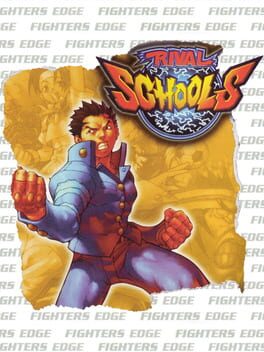
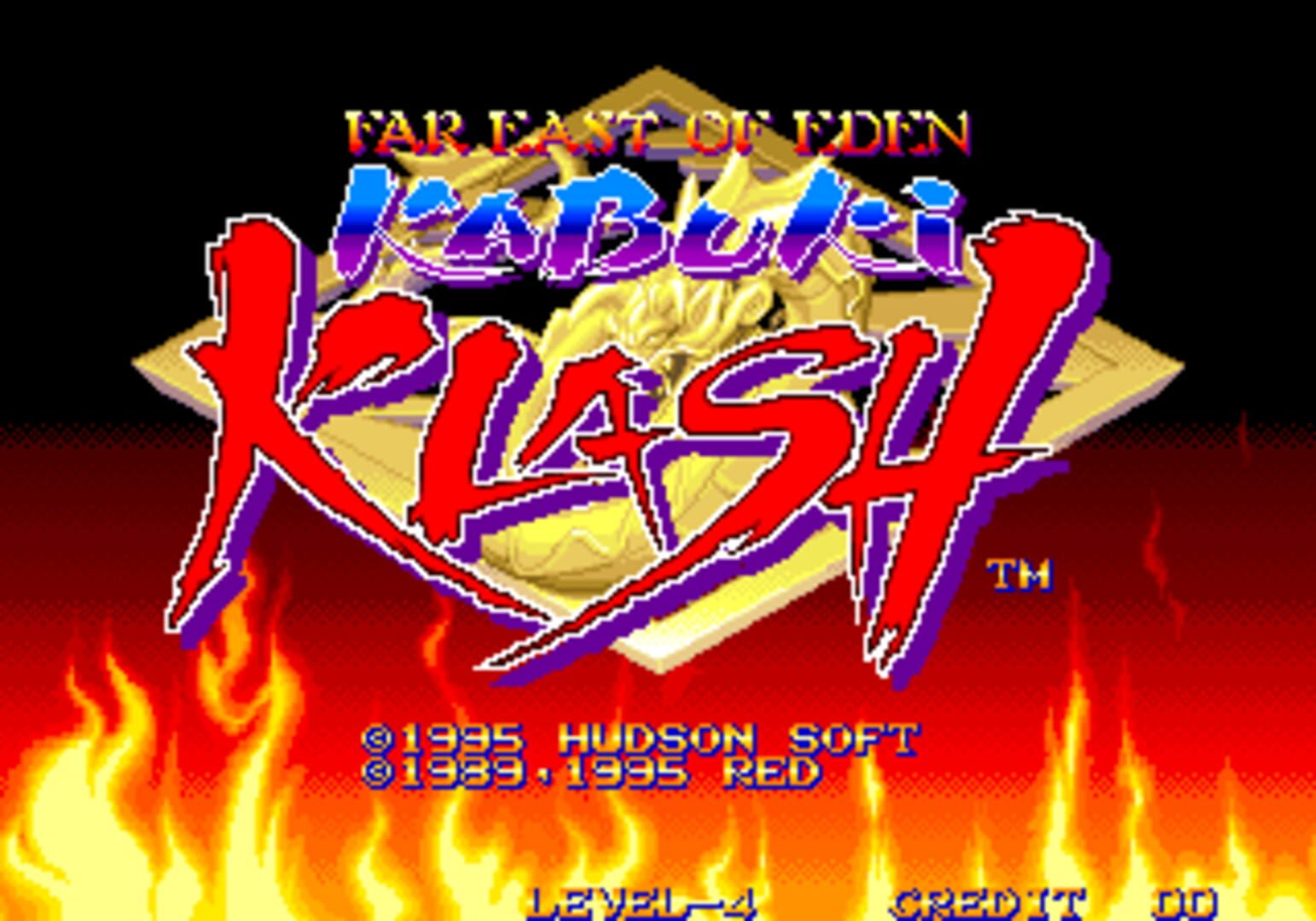
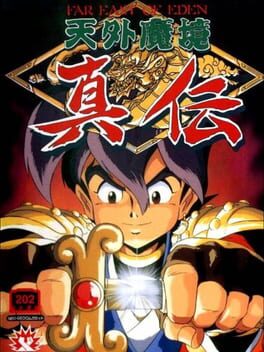
An arcade fighting game spin-off of an RPG series set in a fantasized feudal Japan. Known for its similarities with early Samurai Shodown games (including random item drops and combining attack buttons for heavier attacks), it is the only game in the entire series to get a release outside of Japan. The main series is composed of three separate games within the land of 'Jipang' (a fictionalized version of feudal Japan), each of which follows a descendant of the 'Fire Clan' and supporting cast in battles against a range of often comical villains. The stories of the games, though primarily of 'fantasy' fare, also attempt to provide commentary on common misconceptions about Japanese culture by Western societies.

Fighting / Arcade / Action / Fantasy
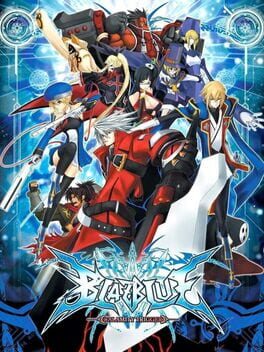
BlazBlue: Continuum Shift is a fighting game developed by Arc System Works as a direct sequel to BlazBlue: Calamity Trigger. BlazBlue: Continuum Shift retains the traditional 2D fighter gameplay of two characters participating in a duel on a two dimensional plane and features a selection of new playable characters.

Fighting / Arcade / Action / Fantasy
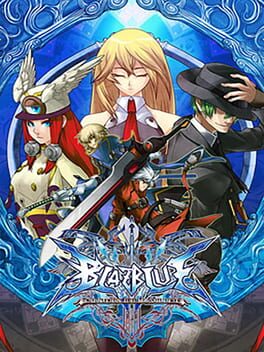
BlazBlue: Calamity Trigger is a fighting game developed by Arc System Works in 2008 and is the first game in the BlazBlue series. The game was originally developed for Japanese arcades and later received console and PC ports. The game is a traditional 2D fighter where two characters participate in a duel. Every character has a weak, medium and strong attack, as well as an "unique" technique, called a Drive attack, which is different for each character. Various combos can be performed by every character through careful input of regular and Drive attacks.

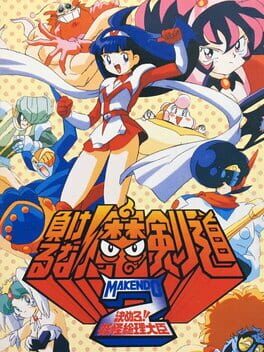
Makenko used to be a normal boy—until he was kidnapped by the brain monster Dr. Mud and transformed into a cyborg capable of destroying both the monster and human worlds! On his quest for vengeance, he is inadvertently joined by Makendo, a fellow monster hunter who would prefer not to be, and her little sister Hikari who would like nothing better! Dastardly demons and wacky monsters abound as the trio fight the bad guys to kick some monster butt, and get Makenko's body back!

Fighting / Adventure / Arcade / Action / Fantasy
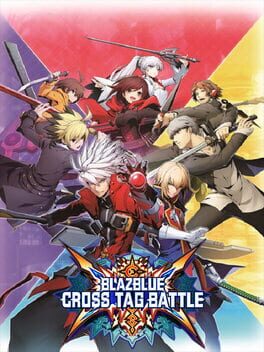
"THE COLLISION IS INEVITABLE! THE IMPACT WILL BE UNAVOIDABLE! An unrivaled clash of explosive proportions! The beloved BlazBlue franchise Crosses universes, Tags in fan favorites, and Battles it out in BlazBlue: Cross Tag Battle! Created through an all-star collaboration between BlazBlue, Atlus’ Persona, French Bread’s Under Night In-Birth, and Rooster Teeth’s hugely popular RWBY web series, Cross Tag Battle celebrates the fighting genre for pros and newcomers alike! Choose your team in fast paced 2v2 team battles filled with the craziness you’ve come to love from BlazBlue, with all the tight mechanics, smooth gameplay, and gorgeous 2D graphics you expect from Arc System Works."

The main fighting game is best described as a polygonal Marvel vs. Capcom game, with some notable differences. Control wise, the game varies from other Capcom fighting games by only having four buttons (two punches and two kicks, which is closer to the SNK game format) rather than the standard six. A player chooses a team of two characters, and fights against another two character team. The actual fights, however, are one-on-one fights, with the partner only participating by being called in when a player has enough 'vigor' for a Team Up attack, done by pressing a punch and kick button of the same pressure. The Team Ups would be some kind of double team attack by the character and partner, or (for most female characters' Team Ups) would heal the main character or give them more vigor. After the end of a round, a player (win or lose) has a choice to fight the next round with the partner from the previous round, or to keep their main character in play. The 'vigor' meter (essentially a super meter) could go up to 9 levels, with Team Ups costing two levels and super moves from a single person all costing one level of vigor. Much like the Marvel vs. Capcom games, launchers can be done that allow air combos to be performed, with all characters having universal low and high launchers. The game also had a few defensive techniques. Tardy Counters acted much like Alpha Counters from Street Fighter Alpha, allowing a player to immediately counter-attack from a blocking position. However, the restrictions on Tardy Counters are very lax; any hard normal, special or super attack can be used to Tardy counter (Alpha counters are only limited to certain special moves for each character), and Tardy Counters do not cost any extra vigor to perform (Alpha Counters required at least a level of Super Combo gauge to do). Attack Cancels allowed a player to cancel an incoming hit simply by timing their own hit with the attack, which would cancel out both attacks (though it does not nullify the remaining hits of a multi-hit move). Also, one additional level of vigor is awarded.
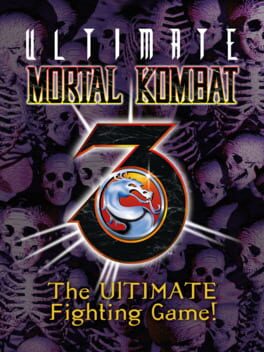
Ultimate Mortal Kombat 3 combines the best of all the Mortal Kombats into a single cartridge. 23 playable characters are immediately available, such as Reptile, Cyrax, Scorpion, Sub-Zero, Jax, Katana, Sonya, and more. There are two bosses that are unlockable, as well as additional characters and a variety of new levels, some of which are interactive. Players can go against the computer one-on-one, two-on-two, or take part in the 8-fighter tournament.

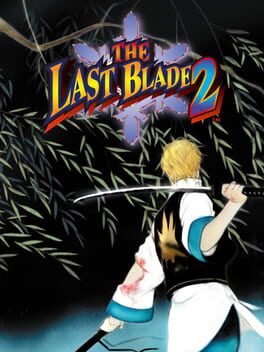
The Last Blade 2 is a 2D fighting game which features anime-style characters that fight each other with swords, clubs, and even fishing poles. These characters pull off their special moves with that 'quarter-circle-to-half-circle' and 'double-half-circle' controller motions, reminiscent of Street Fighter.