Arcade / Sega Master System/Mark III / Commodore C64/128/MAX
Developed by Sega AM2 for CSK Research Institute.
Shooter / Arcade / Action / Science fiction
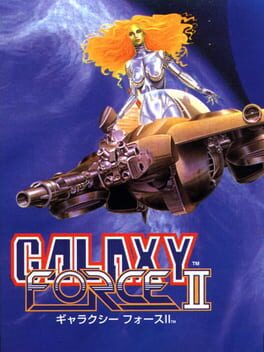
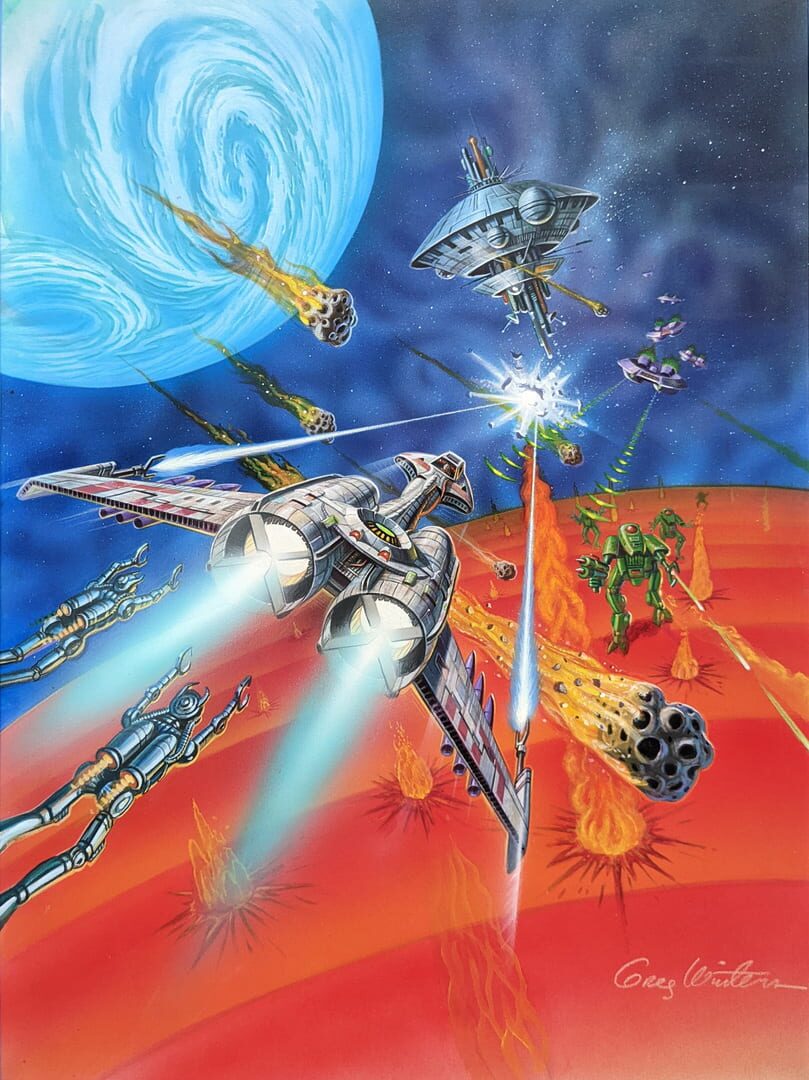
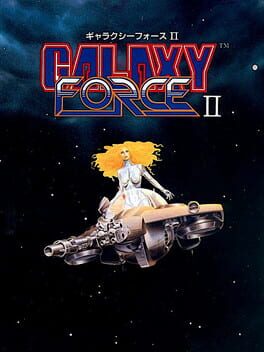
The peaceful and prosperous solar system Junos was located at the end of the Milky Way. Those who called its five planets home had no idea what was about to happen... Halcyon, ruler of the Fourth Empire, had Junos marked as its final target in the galactic massacre, and had sent the bulk of his attacking force in with a single purpose – the elimination of all life forms in the system, and the construction of a gigantic fortress on each of the five planets from which to rule the galaxy. Galaxy Force II is not a true sequel to the orginal game but a an enhanced version of the original. It was released roughly two months after the release of the first part thus making it obsolete.

Shooter / Arcade / Action / Science fiction
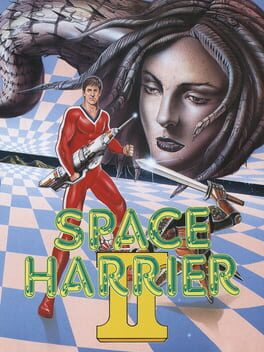
A call for help comes from deep in the universe. Fantasyland has been taken over by destructive forces. Quick on the scene is Space Harrier equipped with his laser, who must attempt to outwit and outmanoeuvre the hoards and prevent Fantasyland from being blown into oblivion!

Shooter / Platform / Arcade / Action / Science fiction
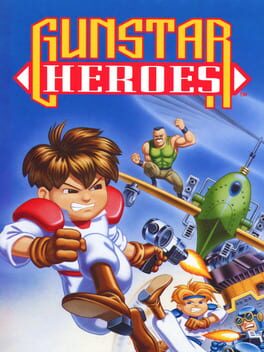
The Gunstar family are the protectors of the planet Gunstar 9. After many years of peace, vicious dictator Colonel Red kidnapped the Gunstar twins’ older brother and used mind control to make him his slave.

Shooter / Hack and slash/Beat 'em up / Arcade / Action / Science fiction
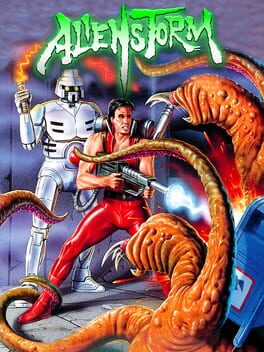
Alien Storm is a side-scrolling beat 'em up. The game resembles Golden Axe, with a similar artistic style, three playable characters (a man, a woman, and a novelty character) and pick-up or power-up special attacks. The player (one player only on the Master System version, up to two players on the Mega Drive version, three on the arcade version) selects from the three different characters to embark upon a quest to save the Earth from an alien invasion. All of the Busters are playable from the beginning of the game. There are 6 missions to complete (8 in the Mega Drive version) with several stages, and each mission has the player blasting aliens, from the streets to the mother ship, where the mother of all aliens can be found. This task becomes increasingly difficult with each new mission, and the aliens are capable of hiding inside objects such as plants, postboxes, trashcans, drums, and other items. Each mission has an objective such as rescuing people or destroying an UFO. When dealing with a few aliens, flying heads will appear, which can be shot to collect life or energy. Energy is used specifically to power the energy based attacks of the player's weapon (such as flames or electricity) and to use the much more powerful special weapons. In a similar format as other early Sega arcade games, each character has unlimited usage of various short-range attacks, i.e. punches, kicks. Along with these standard attacks, each character has their own individual weapon (Garth's weapon that shoots lightning is replaced with a flame weapon in the Master System version). Special attacks are also included, and vary depending on the character chosen at the start of the game. For instance, Garth summons an U.S. Air Force starship that drops bombs across the street (in the Master System version he has Karen's special, a ballistic missile strike). Scooter will teleport out of his present location and leave a series of bombs that will blow up on the appearance of aliens, after which he will re-appear (in the Mega Drive version he just explodes, leaving his head, which his new body returns to retrieve). Karen calls down a nuclear missile, which incinerates every foe on the screen. However, a large amount of energy is depleted by using each character's special attack, and cannot be used if the energy of the player's character is too low. There are few bosses in the game. The arcade original only features a single boss that has three distinct forms. The Mega Drive port has two of these forms as two separate bosses. At the end of each mission, the side-scrolling gameplay shifts to either a shooting gallery perspective where the player must take out the aliens that pop out of various locations, similar to the bonus stages of Shinobi and Shadow Dancer, both also by Sega, or a running section that is similar to the side scrolling mode but plays like a horizontal shooter instead with projectile weapons.
Shooter / Puzzle / Indie / Action / Science fiction
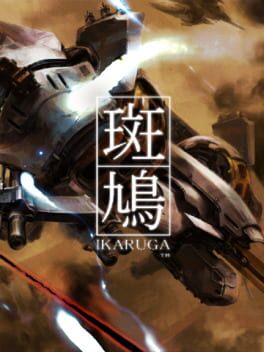
In this vertical scrolling spaceship shooter, you control a ship that can change its polarity at will. As blue/white, the ship can easily destroy red/black enemies, and vice versa. Bullets of your polarity can be collected to fuel your energy gauge, but those opposite will kill you. Destroying an enemy ship causes them to fire revenge bullets which can be absorbed and fired back by the player. Different difficulties exist to change exactly how you interact with polarized points, or how they appear. It is the spiritual successor to Radiant Silvergun, featuring similar level and boss design, as well as it's buddhism inspired themes and aesthetics. Both are directed by Hiroshi Iuchi, who also composed Ikaruga's soundtrack.

Shooter / Arcade / Action / Science fiction
Sega Ages Galaxy Force II is a port of Galaxy Force II for the Sega Saturn. It adds difficulty settings and an in-game story screen.

Shooter / Hack and slash/Beat 'em up / Arcade / Action / Science fiction
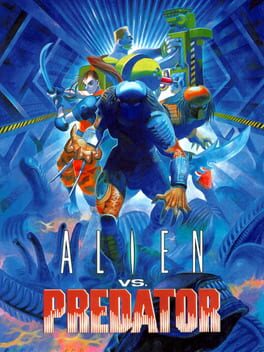
Alien vs. Predator is a 1994 beat 'em up video game developed and released by Capcom for the CPS-2 arcade game system. It is based on the science fiction franchise of the same name. Introducing an original fighter to the game: Lt. Kurosawa, the players take control of up to three from the selection of four cyborgs and Predator characters in a battle against the Xenomorph hordes and rogue human soldiers.

Shooter / Platform / Arcade / Action / Science fiction
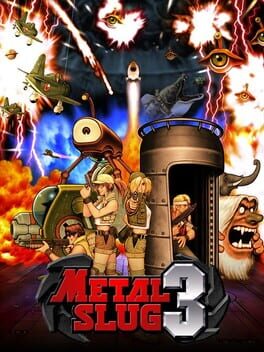
“METAL SLUG 3”, the masterpiece in SNK’s emblematic 2D run & gun action shooting game series, still continues to fascinate millions of fans worldwide to this day for its intricate dot-pixel graphics, and simple and intuitive game controls!

Shooter / Platform / Arcade / Action / Science fiction
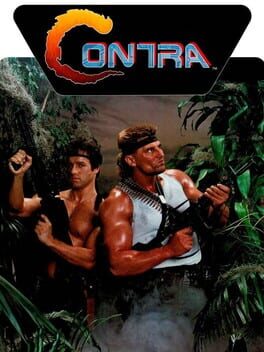
Contra (also known as Gryzor in Oceania and Europe), is a 1987 run and gun action game developed and published by Konami originally released as a coin-operated arcade game on February 20, 1987. The game had multiple ports, including for various computer formats. Several Contra sequels were produced following the original game.