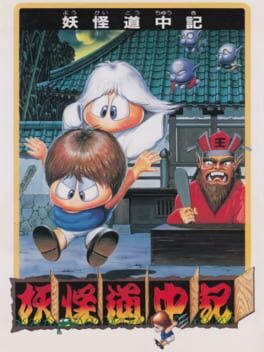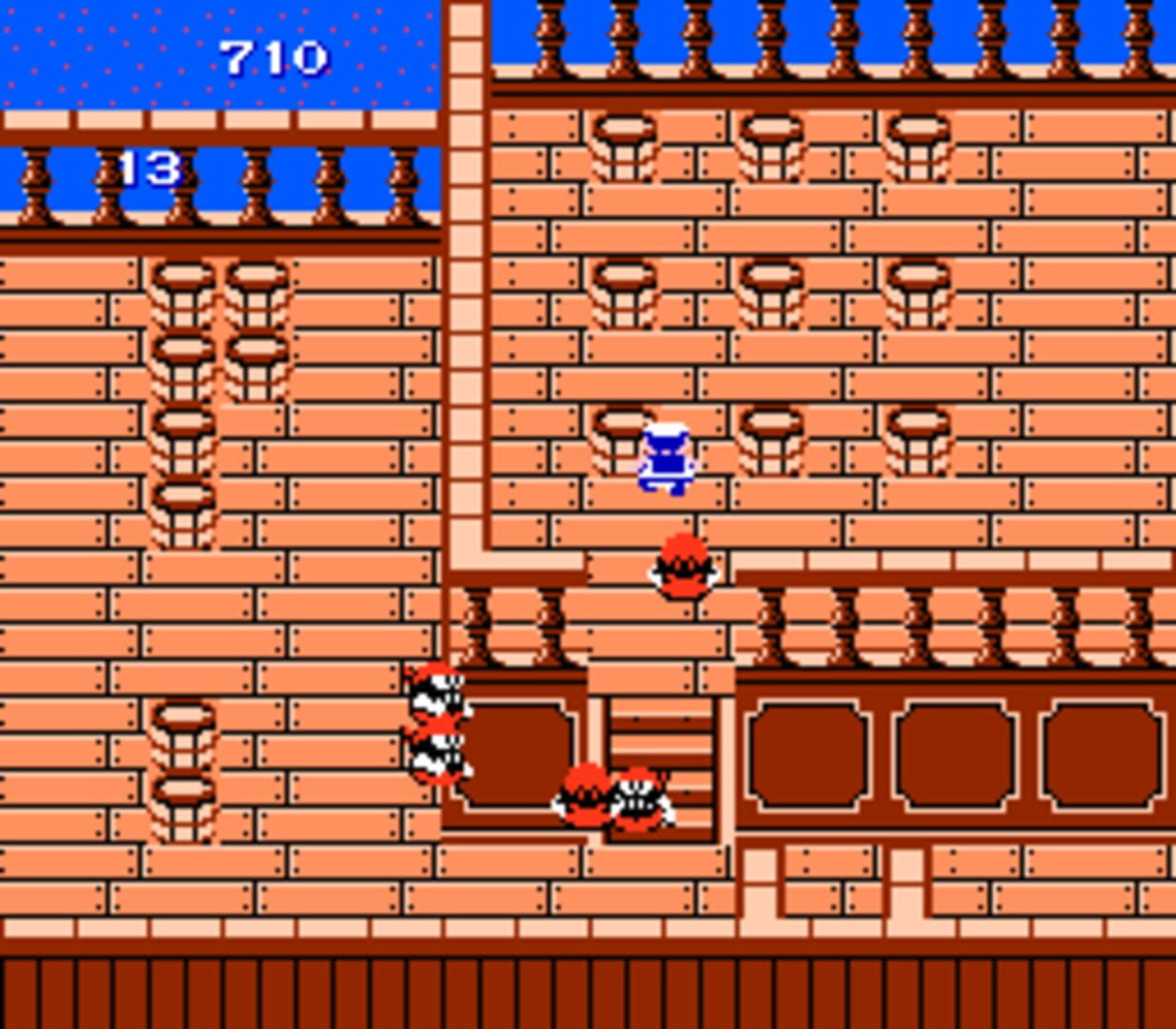
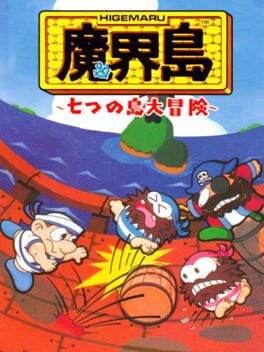

Higemaru Makaijima (魔界島 七つの島大冒険 Makaijima Nanatsu no Shima Daibōken?, lit. Hell Island: Great Adventure of 7 Islands) is an action-adventure game developed for the Famicom and MSX home computer, and released by Capcom in 1987. It is a sequel to a 1984 arcade game developed by Capcom known as Pirate Ship Higemaru. Neither the arcade game, nor this adventure adaptation were released outside Japan, although a prototype exists for a canceled North American NES release, where it was to be renamed "Makai Island". In Higemaru Makaijima, the hero from Pirate Ship Higemaru named Momotaru must now pilot his own sailing vessel around the ocean surrounding seven islands. His goal is to find the greatest treasure. To do this, he must collect the keys which open the dock gates to each of the islands by invading several pirate ships and defeating the captain on board in combat. The gameplay on these pirate ships are taken directly from the arcade predecessor, with some small modifications. Once Momotaru has collected a key from a pirate ship, he must then sail around the islands in search of the correct dock gate which the key corresponds to. Once there, the player embarks on an exploration of the island to find items, defeat a boss, and collect treasures before heading off in search of another island key. The island exploration sections are extremely reminiscent of dungeon exploration aspects of The Legend of Zelda, to which the game is often compared to.
Fighting / Hack and slash/Beat 'em up / Adventure / Action
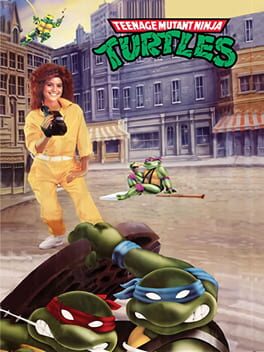
NOTE: This is the original 4-Player Arcade release, not the NES Title. The player chooses from one of the four Ninja Turtles: Leonardo, Michelangelo, Donatello, and Raphael. After Shredder kidnaps the Turtles' friend April O'Neil and their mentor Splinter, they must give chase, save their comrades, and defeat the evil Shredder. The player chooses from one of the four Ninja Turtles: Leonardo, Michelangelo, Donatello, and Raphael. Depending on the version of the game, the characters are either, chosen at the start of the game or assigned by control panel. After Shredder kidnaps the Turtles' friend April O'Neil and their mentor Splinter, they must give chase, save their comrades, and defeat the evil Shredder. Up to four players (two in some versions) can take control of any of the Turtles. Donatello has slower attacks but a longer range, Michelangelo and Raphael have faster attacks but a shorter range, and Leonardo is a well-rounded Turtle with average range and speed. The eight-way joystick controls the movements of the Turtle, the jump button makes them jump and the attack button makes them hit in front of them using their weapon. In addition to this, some combinations are possible. The Turtles can throw Foot soldiers overhead, and by pressing the jump and attack buttons, a special attack is performed. Raphael rolls along the ground and finishes with a kick, while the other Turtles do a sweeping jump attack with their weapons. Turtles can also spring off the wall in certain areas. Enemies can be defeated more quickly by slamming them into walls or solid objects. Many objects such as traffic cones, parking meters, fire hydrants and exploding oil drums can be hit or damaged with attacks in order to help defeat nearby enemies. In the attract mode, the game showed the first part of the cartoon opening, along with a portion of the Teenage Mutant Ninja Turtles theme song. Most of the enemies the Turtles face are the Foot Soldiers, all color-coded to indicate their attack patterns and weapon of choices. Some enemies, such as the standard purple-clad Foot Soldiers and Roadkill Rodney robots, have the ability to restrain the Turtles' mobility and drain their health, leaving the player open to attack for other enemies. The bosses in the game include Rocksteady and Bebop (individually at first in that order, and later the two of them together), Baxter Stockman, Granitor, General Traag, Krang, and Shredder himself.

Hack and slash/Beat 'em up / Adventure / Arcade / Action / Fantasy
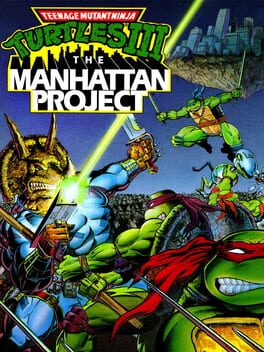
Teenage Mutant Ninja Turtles III: The Manhattan Project is a side-scrolling beat-'em-up. The game features play mechanics similar to the previous game, Teenage Mutant Ninja Turtles II: The Arcade Game, but it is an original title for the NES without any preceding arcade version.

Fighting / Adventure / Arcade / Action
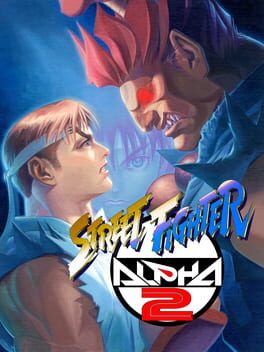
Street Fighter Alpha 2 is both a sequel and a remake to the previous year's Street Fighter Alpha: Warriors' Dreams. The game features a number of improvements over the original, such as new attacks, stages, endings, and gameplay features. New characters in this version include Gen, Rolento and Sakura. Dhalsim and Zangief also return to the fight with some new moves.

Sport / Pinball / Adventure / Action
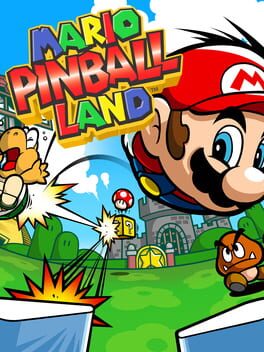
Jumping has always helped Mario perform heroic feats, but in Mario Pinball Land, the plumber must learn how to roll to rescue the princess. When Bowser kidnaps Peach and escapes to another dimension, a scientist transforms Mario into a ball to chase after the fiend. Now you must use your flippers to shoot a much rounder Mario into doors that lead to new areas. In his new form, Mario is also useful for knocking down enemies, picking up special bonuses, and finding power-ups.

Platform / Adventure / Arcade / Action / Science fiction
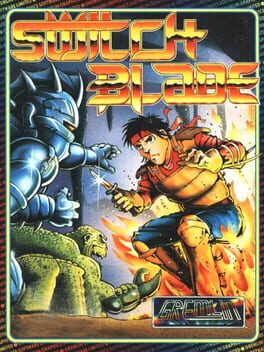
Switchblade is a computer platform game developed by Core Design and released by Gremlin Graphics in 1989. The player guides the protagonist, Hiro, through a flip-screen platform environment with a subterranean setting. Unexplored areas of the screen are obscured from view until the player character enters them. A sequel, Switchblade II was released in 1991.

Platform / Adventure / Arcade / Action
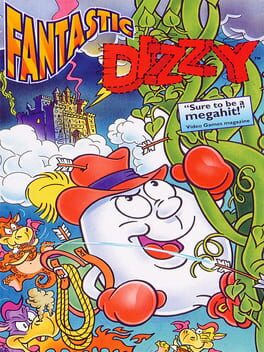
Dizzy is an egg living in a world of magic and fantasy. The basic concept of the game is to move around the world, finding various items and collectibles, and to use them in the right locations. Dizzy has no special skills or abilities, save for his remarkable feats of somersaulting, and must solve all problems he faces with the clever use of one or more items.

Platform / Hack and slash/Beat 'em up / Adventure / Action
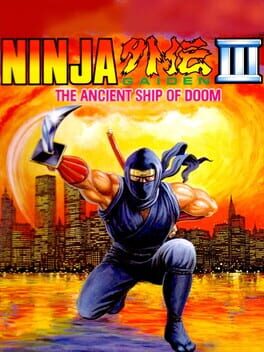
Thrilling new cinema screen! Follow the story of Ryu's epic adventure through Tecmo's movie-like Cinema Screen Animation. As you complete each level, a new part of the story unfolds. Exciting new powers and weapons! Over the years Ninja Ryu's fighting skills have improved to include fantastic new powers and weapons. Action-packed Ninja adventure! Can you get Ryu through his most challenging adventure as he battles the hideous ancient forces of darkness to save mankind? The Ultimate Ninja Challenge!