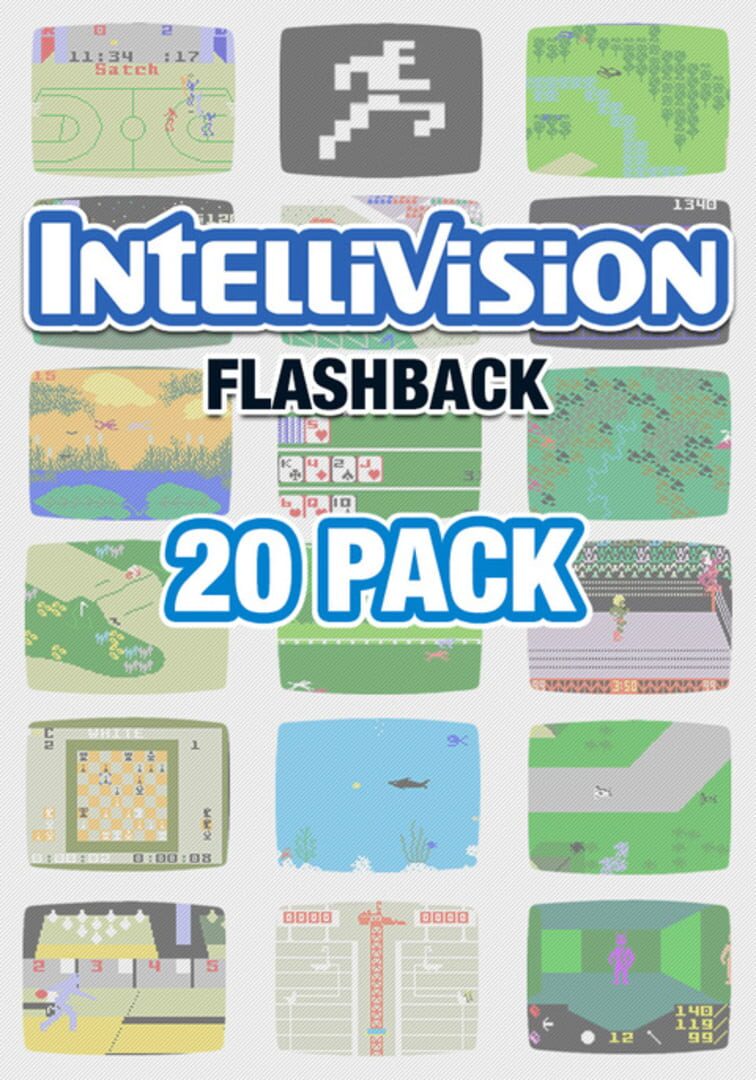
A compilation of 20 classic Intellivision games.
Featured in
A compilation of 20 classic Intellivision games.
Pinball Hall of Fame: The Williams Collection faithfully recreates eight of the most memorable tables from the golden age of pinball in photorealistic 3D. Working closely with Williams to ensure authenticity of each of the games, the collection is highlighted by some of the most popular and innovative Williams pinball tables, including Gorgar, the first-ever talking pinball machine, Black Knight, which introduced "Magna-Save" and Bonus Ball, and Space Shuttle, which took the pinball industry by storm in 1984. Every table has been meticulously recreated to bring players the visuals, sound effects and gameplay that made these games legendary successes. Pinball Hall of Fame: The Williams Collection harkens back to the arcades of the 1980s. Players begin Pinball Hall of Fame: The Williams Collection with access to four pinball tables, and the remaining four tables are unlocked as the game progresses. Players can spend as little as two minutes on a quick pinball challenge, or delve deeper into the game, gaining rewards in a token-based system as they unlock each of the pinball tables. Single-player Arcade and Challenge modes provide hours of solo entertainment, and a Multiplayer mode lets players face each other head-on.
Volume 5 for the PlayStation features: - Metro-Cross (1985) - Baraduke (1985) - Dragon Spirit (1987) - Pac-Mania (1987) - Valkyrie no Densetsu (1989) – renamed Legend of the Valkyrie outside of Japan.
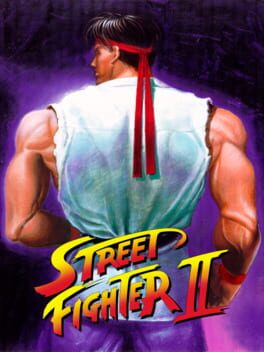
A sequel to Street Fighter, Street Fighter II improved upon the many concepts introduced in the first game, including the use of command-based special moves and a six-button configuration, while offering players a selection of multiple playable characters, each with their own unique fighting style and special moves. Street Fighter II is credited with starting the fighting game boom during the 1990s. Its success led to the production of several updated versions, each offering additional features and characters over previous versions, as well as many home versions. Some home versions of the Street Fighter II games have sold millions of copies, with the SNES port of the first Street Fighter II being Capcom's best-selling consumer game of all time as of 2008. Street Fighter II follows several of the conventions and rules already established by its original 1987 predecessor. The player engages opponents in one-on-one, close-quarters combat in a series of best-of-two-out-of-three matches. The objective of each round is to deplete the opponent's vitality before the timer runs out. If both opponents knock each other out at the same time or the timer runs out with both fighters having an equal amount of vitality left, a "double KO" or "draw game" is declared. Additional rounds will be played until sudden death. In the first Street Fighter II, a match could last up to 10 rounds if there was no clear winner; this was reduced to 4 rounds in the Champion Edition and onward. If there is no clear winner by the end of the final round, then either the computer-controlled opponent will win by default in a single-player match, or both fighters will lose in a 2-player match. After every third match in single-player mode, the player will participate in a "bonus game" for additional points. The bonus games include (in order) a car-breaking event; a barrel-breaking bonus game where the barrels are dropped off from a conveyor belt above the player; and a drum-breaking bonus game where drums are flammable and piled over each other. The bonus games were removed from the arcade version of Super Street Fighter II Turbo. As in the original, the game's controls use an eight-directional joystick and six attack buttons. The player uses the joystick to jump, crouch, move the character towards or away from the opponent, and guard against the opponent's attacks. There are three punch buttons and three kick buttons, each with varying strength and speed (Light, Medium, and Heavy). The player can perform a variety of basic moves in any position, including grabbing/throwing attacks, which were not featured in the original Street Fighter. Like in the original, the player can perform special moves by inputting a combination of directional and button-based commands. Street Fighter II differs from the original in that it features multiple playable characters, each with distinct fighting styles and special moves. Additionally, the player can "cancel" an animation by performing another move, enabling combinations of basic and special moves. Both of these features would be expanded upon in subsequent installments.
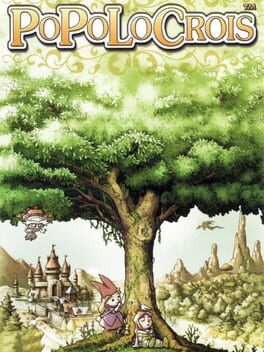
Role-playing (RPG) / Strategy / Fantasy
PoPoLoCrois is the heart-warming story of Pietro, the prince of the PoPoLoCrois Kingdom, and his adventures to save his family, the world and everything else between. The meaning of the word PoPoLoCrois is, "To believe in people." During your journey with Pietro, you'll travel to many interesting places and meet a slew of wacky characters in his search for the "True Treasure of Kings". Along the way you'll be reminded of what is truly important in life. The PSP system version of PoPoLoCrois consists of three main stories: Chapter I: Ice Demon; Chapter II: Dark Lion King; and Chapter III: Goddess Maira. With more than 30 hours of game play, PoPoLoCrois offers hours upon hours of fun and adventure.
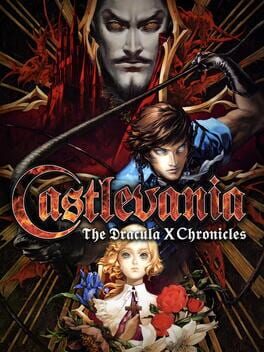
Platform / Hack and slash/Beat 'em up / Action / Horror
Castlevania: The Dracula X Chronicles is an entirely new take at the best Castlevania game to never be released in the US, "Castlevania: Rondo of Blood". The Dracula X Chronicles brings this action/adventure franchise to the PSP system for the first time, complete with 3D graphics, enhanced gameplay and new music. Completing the Dracula X storyline, this game also includes an unlockable version of Symphony of the Night and players will also be able to unlock the original Rondo of Blood from the NEC PC Engine. Includes unlockable versions of the original "Rondo of Blood" and "Symphony of the Night" games, optimized for the PSP. Timeless side scrolling action through more than 10 gothic stages and additional hidden areas. Return to previously completed levels to find additional secrets.
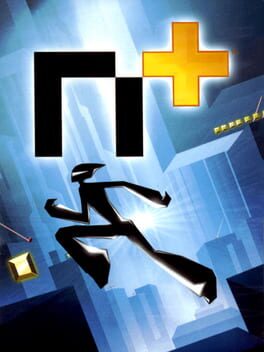
Platform / Puzzle / Indie / Action
N+ is a port of the original Adobe Flash based PC game, N, to console and handheld systems with new features. "N+ is a peerless action-puzzle platformer with more than 300 levels in which to hone your ninja reflexes, plus a built-in level editor for when you're hungry for more. N+ also features unique, physics-based controls, stylish graphics, unlimited lives, competitive and cooperative multiplayer, plenty of gold, and several flavors of sweet, sweet action." "N+ features N doesn't have: -Redesigned graphics and visual effects: a more detailed version of N's in-your-face minimalist style -New objects and enemies: Pulse Drone, Laser Turret and Zap Doors -Background music and next-gen 5.1 surround sound -Way over 400 all-new levels -3 pants-wettingly good modes of multiplayer: Co-op, Race and Survival"
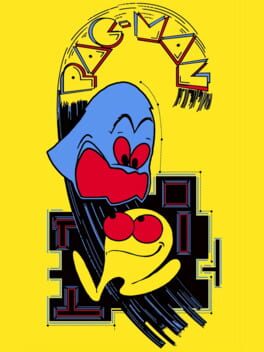
Pac-Man is a 1980 maze action video game developed and released by Namco for arcades. It is considered one of the classics of the medium, virtually synonymous with video games, and an icon of 1980s popular culture. Players control Pac-Man, who must eat all the dots inside an enclosed maze while avoiding four colored ghosts. Eating large flashing dots called Power Pellets causes the ghosts to temporarily turn blue, allowing Pac-Man to eat them for bonus points.