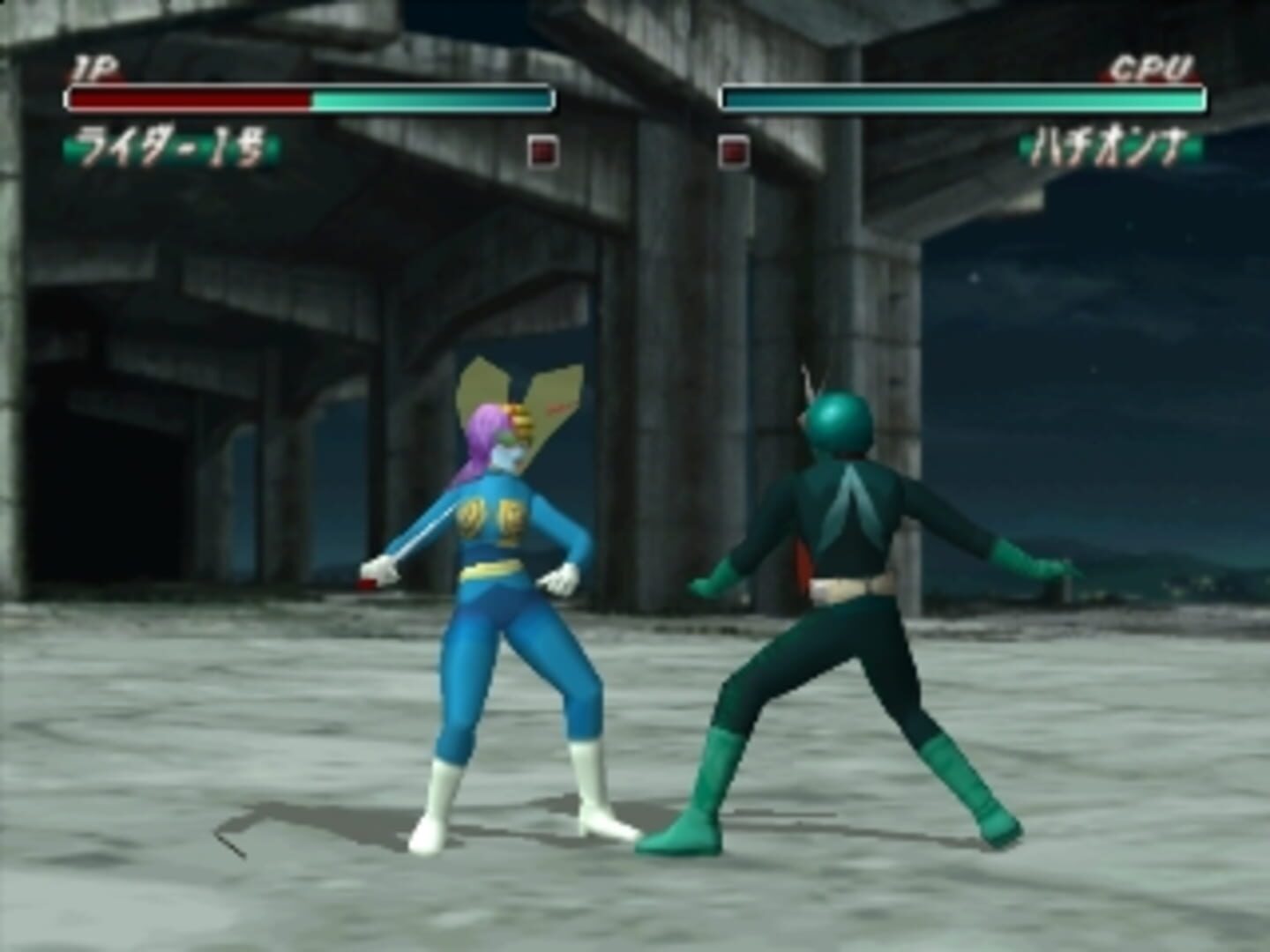
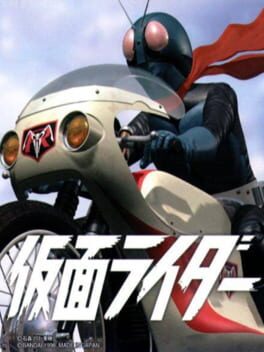
Kamen Rider is a one-on-one fighting game based on the original incarnation of the long-running tokusatsu television show.
Screenshots
Featured in
Kamen Rider is a one-on-one fighting game based on the original incarnation of the long-running tokusatsu television show.
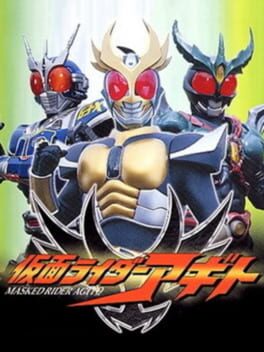
A man named Shouichi Tsugami has lost his memories. He doesn't know who he is, where he came from, or how he came upon his peculiar circumstances. Tsugami, seemingly for no reason, transforms into a powerful superhuman, Agito, whenever in the presence of the beings referred by the police as the "Unknown", a race of powerful monsters that have been causing murders around Tokyo, targeting certain people as their prey. In response, the police department unleash their newest weapon: the G3 powersuit, originally developed to fight against the "Unidentified Lifeforms", the enemies of No.4 (Kamen Rider Kuuga). G3 and Agito don't know whether they should join up and defeat the Unknowns, their common enemy, or to combat each other, keeping the mysteries that entwine them separate. Ultimately, even more mysteries unfold, with the appearance of Kamen Rider Gills, who is on a search to uncover why his father committed suicide. These mysteries and others collide, as the true nature of Agito would ultimately determine the fate of humanity.

Shiro Kazami accidentally witnesses a murder by the evil organization Destron, making him their next target. When he returned home, he finds his family being murdered by the Hasami Jaguar. When the Riders were attacked, and almost killed, by Kame Bazooka, Shiro shows up as Kamen Rider V3. Now, Shiro uses his new power to protect mankind against Destron.
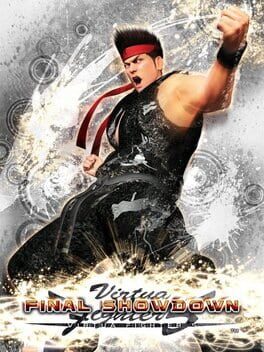
The fifth entry in SEGA's fighting game series. Once again, the real-time level of visual detail and character animation has been upped to the most advanced levels, with next-generation lighting and detail on the fighters and environments. Players will be able to customize their characters by selecting from various patterned costumes and a wide range of attachable items that can be placed onto each fighter's various body parts. Players will not only achieve victory by defeating highly-skilled opponents, but will also compete for prizes and earn in-game money through the match to buy many items at an in-game shop. Virtua Fighter 5: Final Showdown contains a full overhaul of Virtua Fighter 5's mechanics, balance and animations, along with new game modes, new dynamic fighting arenas, a massive collection of customizable character items and new characters.
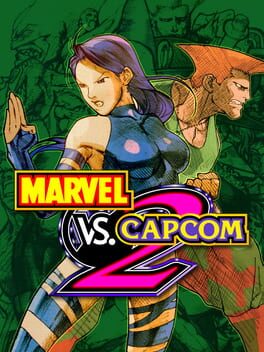
Marvel vs. Capcom 2: New Age of Heroes is the fourth game in the Marvel vs. Capcom series of fighting games. The player's controls were simplified to make the gameplay more accessible to the wider audience of casual players and the button configuration was trimmed down to 4 main buttons and 2 assist buttons. The game also features a different air-combo system and 3 on 3 tag, compared to the 2 on 2 tag from previous games in the series.
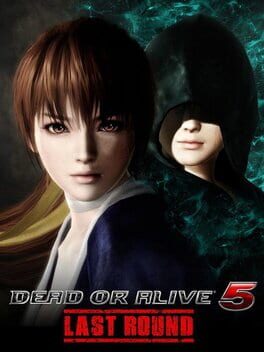
Dead or Alive 5 Last Round is a fighting game developed. It is the third updated version of the 2012 game Dead or Alive 5, following the 2013 games Dead or Alive 5 Plus and Dead or Alive 5 Ultimate. Dead or Alive 5 Last Round features all the content from Dead or Alive 5 Ultimate, adding new costumes and customizable hairstyles, as well as two new characters and two new stages. The PlayStation 4 and Xbox One versions received upgraded graphics, running at 1080p resolution and 60 frames per second. These two version also use the new game engine called Soft Engine and designed to better depict "softness" of characters' bodies.
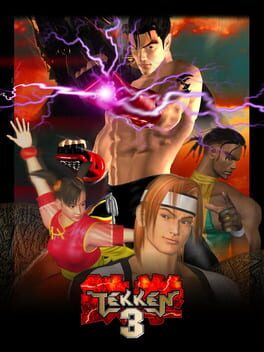
Tekken 3 is the third installment in the Tekken series. It maintains the same core fighting system as its predecessors but brings many improvements, such as significantly more detailed graphics and animations, fifteen new characters added to the game's roster, more modern music and faster gameplay.
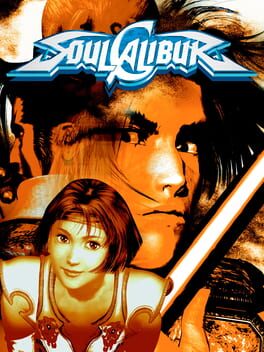
Fighting / Arcade / Action / Fantasy
SoulCalibur is a weapon-based 3D fighting game developed by Project Soul and produced by Namco. It is the second game in the Soul series, preceded by Soul Edge (1996). Originally released in arcades in 1998, it ran on the Namco System 12 hardware. In 1999 it was ported to the Dreamcast with improved graphics and new features. The North American version was released in September 1999 as a launch title for the Dreamcast and was part of the successful launch of the new console. It became available as a downloadable title on Xbox 360's Xbox Live Marketplace in 2008. The title brought many innovations to the fighting game genre that include a heavy emphasis on weapons and a unique eight-way movement system. Soulcalibur is widely regarded as one of the best Dreamcast titles and is one of the most critically acclaimed fighting games of all time.
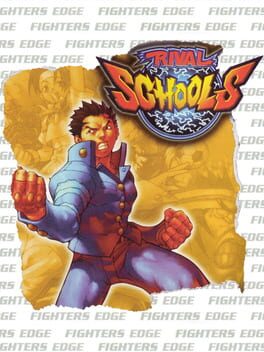
The main fighting game is best described as a polygonal Marvel vs. Capcom game, with some notable differences. Control wise, the game varies from other Capcom fighting games by only having four buttons (two punches and two kicks, which is closer to the SNK game format) rather than the standard six. A player chooses a team of two characters, and fights against another two character team. The actual fights, however, are one-on-one fights, with the partner only participating by being called in when a player has enough 'vigor' for a Team Up attack, done by pressing a punch and kick button of the same pressure. The Team Ups would be some kind of double team attack by the character and partner, or (for most female characters' Team Ups) would heal the main character or give them more vigor. After the end of a round, a player (win or lose) has a choice to fight the next round with the partner from the previous round, or to keep their main character in play. The 'vigor' meter (essentially a super meter) could go up to 9 levels, with Team Ups costing two levels and super moves from a single person all costing one level of vigor. Much like the Marvel vs. Capcom games, launchers can be done that allow air combos to be performed, with all characters having universal low and high launchers. The game also had a few defensive techniques. Tardy Counters acted much like Alpha Counters from Street Fighter Alpha, allowing a player to immediately counter-attack from a blocking position. However, the restrictions on Tardy Counters are very lax; any hard normal, special or super attack can be used to Tardy counter (Alpha counters are only limited to certain special moves for each character), and Tardy Counters do not cost any extra vigor to perform (Alpha Counters required at least a level of Super Combo gauge to do). Attack Cancels allowed a player to cancel an incoming hit simply by timing their own hit with the attack, which would cancel out both attacks (though it does not nullify the remaining hits of a multi-hit move). Also, one additional level of vigor is awarded.