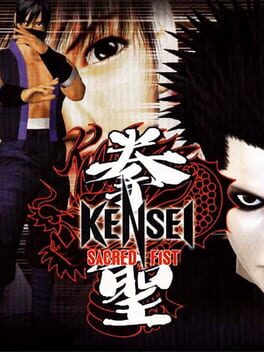
A 1998 3D-based fighting game developed by Konami Computer Entertainment Tokyo and published by Konami. It was later re-released in 2001 under the reissue title Kensei: Sacred Fist Value Series. The game is a straight-to-console release, without an arcade counterpart.
The Arcade game structure of Kensei comprises 10 stages, with the first eight being made up of random opponents. The specific playing character will encounter a sub-boss in the ninth stage while the tenth one will have them facing off against the crime lord Leimeng and the eleventh (and final) one will have the playing character battle against Leimeng's bodyguard Kaiya. Along with the classical Survival, Training, and Time Attack modes, a special mini-game can be activated once all characters have been unlocked: it's a "racing" mode where the player controls a character and makes it run through a circuit, using button mashing to gain speed.

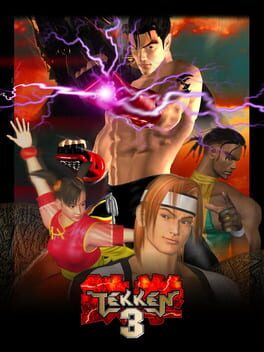
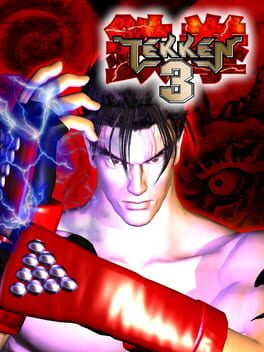
Tekken 3 is the third installment in the Tekken series. It maintains the same core fighting system as its predecessors but brings many improvements, such as significantly more detailed graphics and animations, fifteen new characters added to the game's roster, more modern music and faster gameplay.

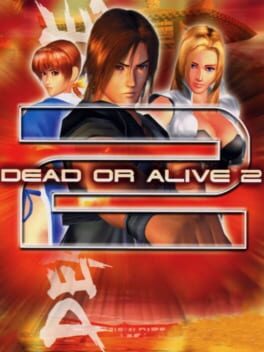
Dead or Alive 2 is a fighting game in the Dead or Alive series. The gameplay of DOA2, and all subsequent Dead or Alive games, borrows heavily from the Virtua Fighter series, but makes some key changes that drastically changes the way Dead or Alive is played in comparison to Virtua Fighter. In DOA2, the basis of the entire fighting system is the circular relationship between three types of moves: blows, throws, and holds.The other defining feature of DOA2, aside from blows/throws/holds, is its stun system. In DOA2 many attacks upon hitting will inflict a stun on the opponent. While stunned, the opponent cannot attack, and cannot guard, but they can hold. If the attacker lands a non-knockdown, non-launching attack while the opponent is stunned, the opponent will be re-stunned in a new way, depending on what attack was landed. A major difference between DOA2 and other fighters was in the safety and non-punishability of attacks, both upon hitting and upon being blocked. Most blows in DOA2 can be punished on hit and block by each character's faster throws, making blow-based offense very risky. In addition to the normal rules of juggling, each character also fits into a specific weight category, which affects how the character responds to being launched and being juggled. In DOA2, fights can occur on either water or ice; when a character is on such a surface, all non-knockdown, non-launching attacks will induce a stun on any successful hit. Walls and falls in the middle of stages are everywhere in the game. Many stages are also multi-tiered: to get to other areas of the stage, one character must be knocked off a ledge and fall into the next area. These falls deal usually fairly high damage, but cannot knock the opponent out. Other notable features included introducing CG cutscenes in line with the plot, replacing the original "Danger Zone" areas in stages with fully interactive ones, allowing players to juggle each other into walls, propelling characters from landmarks for more damage.
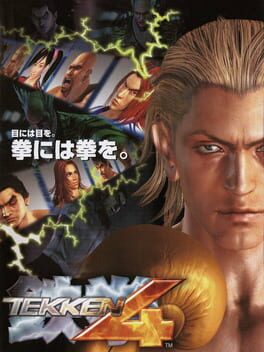
Tekken 4 marks the return of Namco's premier fighting franchise, Tekken. This version features enhanced graphics, gameplay mechanics, and fearsome fighters. Newcomers engage old favorites in interactive, multileveled arenas. The addition of walls, terrain effects, position changes, and enhanced sidestepping will force you to adjust your fighting strategy. Expanded game modes such as Training, Team Battle and the new Tekken Force provide the player with a deeper gameplay experience.

Fighting / Arcade / Action / Fantasy
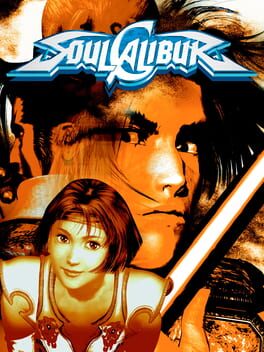
SoulCalibur is a weapon-based 3D fighting game developed by Project Soul and produced by Namco. It is the second game in the Soul series, preceded by Soul Edge (1996). Originally released in arcades in 1998, it ran on the Namco System 12 hardware. In 1999 it was ported to the Dreamcast with improved graphics and new features. The North American version was released in September 1999 as a launch title for the Dreamcast and was part of the successful launch of the new console. It became available as a downloadable title on Xbox 360's Xbox Live Marketplace in 2008. The title brought many innovations to the fighting game genre that include a heavy emphasis on weapons and a unique eight-way movement system. Soulcalibur is widely regarded as one of the best Dreamcast titles and is one of the most critically acclaimed fighting games of all time.

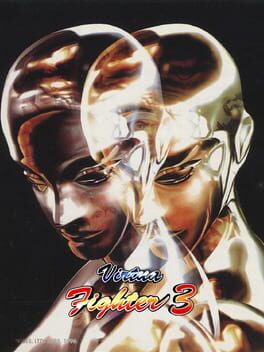
Virtua Fighter 3 is the third fighting game in the Virtua Fighter series. Two new Japanese characters were added to the roster of fighters: Aoi Umenokoji, a beautiful Japanese woman and a childhood friend of Akira Yuki who used a nimble form of Aiki-jujutsu as her fighting style of choice, and Taka-Arashi, a Sumo wrestler from Japan. Taka Arashi would not make another appearance in the Virtua Fighter series until Virtua Fighter 5 R; the series' current producer, Hiroshi Kataoka explained that the removal of Taka in subsequent installments was due to the technical implications of having a substantially larger character.

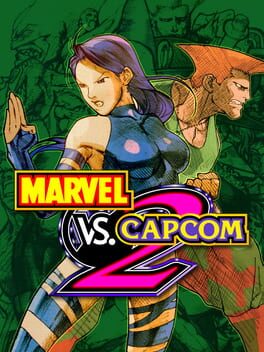
Marvel vs. Capcom 2: New Age of Heroes is the fourth game in the Marvel vs. Capcom series of fighting games. The player's controls were simplified to make the gameplay more accessible to the wider audience of casual players and the button configuration was trimmed down to 4 main buttons and 2 assist buttons. The game also features a different air-combo system and 3 on 3 tag, compared to the 2 on 2 tag from previous games in the series.

Fighting / Hack and slash/Beat 'em up / Arcade / Action
The console version of Tekken 3, which adds more content to the original arcade game, such as new characters and additional game modes. With hidden features, faster gameplay, and new characters, the PlayStation version of Tekken 3 seeks to give you the fight of your life.

Fighting / Arcade / Action / Science fiction
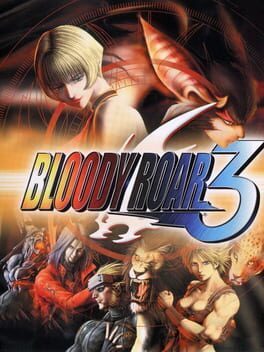
Bloody Roar 3 pits 12 outlandish combatants against each other in one of the most ambitious 3D fighting games to grace the PlayStation 2. Returning from Hudson's widely acclaimed PS1 titles are Stun, Long and Jenny, each of who brings a unique fighting skill to the arena. During each bout, players build an energy bar based on the number of successful kicks and punches they land on their opponent. As the bar fills, players can then morph their combatant into terrifying manimals from beasts such as lions and tigers to moles. The morph, in turn, unlocks a secondary control system specifically designed with each creature's combat moves and appearance in mind. In effect, this offers players two distinct combat types within one game.