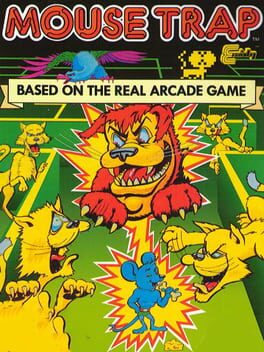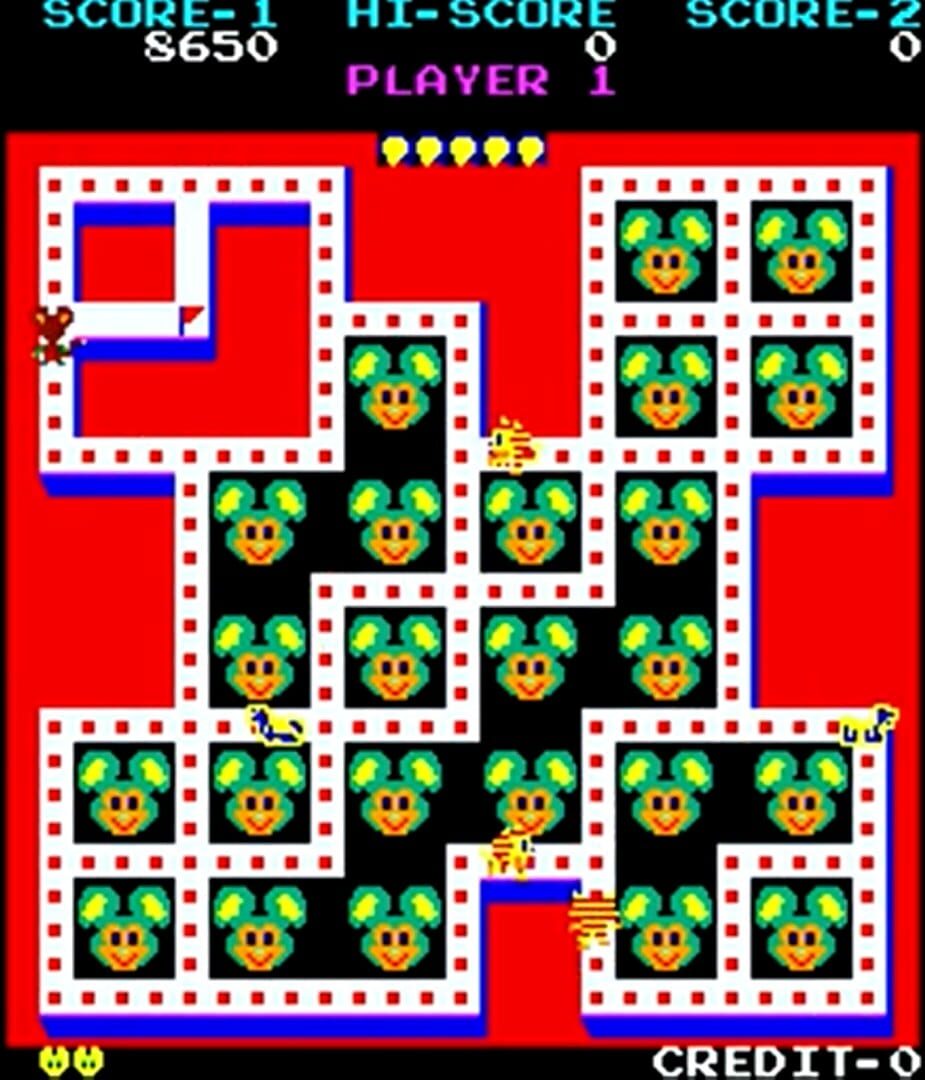
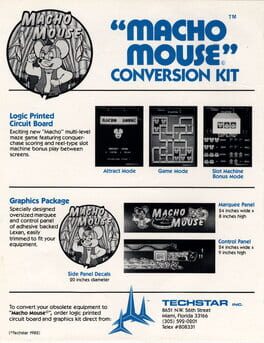

Macho Mouse is an arcade game which was released by Techstar in 1982; it runs on the hardware first used by Amenip and Centuri for Round-Up (two Zilog Z80s, running at 3.072 and 2.5 MHz, with two General Instrument AY-3-8910s running at 1.536 MHz for audio). The player must use the four-way joystick, to direct the eponymous "Macho Mouse" around a maze, leaving a trail of dots behind him as he goes (like Pac-Man in reverse), and causing images of his head to appear while avoiding cats that will kill him on contact - but as in Konami's Amidar, Macho Mouse can jump by means of a button and stun the cats for a short period of time. Between rounds, there is a "slot machine" similar to that of Chuo Co., Ltd.'s Funny Mouse (later re-released by Taito Corporation, as "Super Mouse").
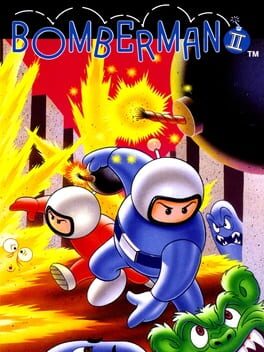
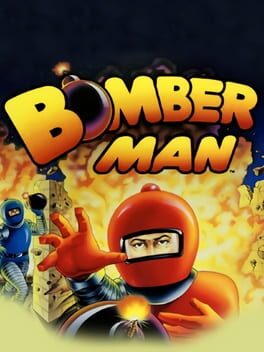
Bomberman II follows the popular Famicom/NES game Bomberman, incorporating a number of new features to the series. The game maintained the classic Bomberman game-type, requiring the player to navigate a maze of blocks using bombs to make a path. It added a two-player and three-player mode, and had a more developed storyline. The game was developed by Hudson Soft and released on the Family Computer and the NES. It was marketed as Dynablaster in Europe.

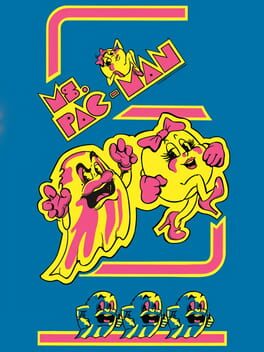
In 1982, a sequel to the incredibly popular Pac-Man was introduced in the form of his girlfriend, Ms. Pac-Man. This sequel continued on the "eat the dots/avoid the ghosts" gameplay of the original game, but added new features to keep the title fresh. Like her boyfriend, Ms. Pac-Man attempts to clear four various and challenging mazes filled with dots and ever-moving bouncing fruit while avoiding Inky, Blinky, Pinky and Sue, each with their own personalities and tactics. One touch from any of these ghosts means a loss of life for Ms. Pac-Man. Ms. Pac-Man can turn the tables on her pursuers by eating one of the four Energizers located within the maze. During this time, the ghosts turn blue, and Ms. Pac-Man can eat them for bonus points. The Energizer power only lasts for a limited amount of time, as the ghost's eyes float back to their center box, and regenerate to chase after Ms. Pac-Man again. Survive a few rounds of gameplay, and the player will be treated to humorous intermissions showing the growing romantic relationship between Pac-Man and Ms. Pac-Man, leading all the way up to the arrival of "Junior".

Bomberman is a 1990 action maze video game developed by Hudson Soft for the TurboGrafx-16. Belonging to the Bomberman franchise, it is a greatly expanded re-imagining of the first game in the series. In Europe, the game was released for the MS-DOS, Amiga and Atari ST, retitled as Dyna Blaster due to the European mainstream media associating the original title with terrorist bombings. A Commodore 64 version was advertised as well but never released.

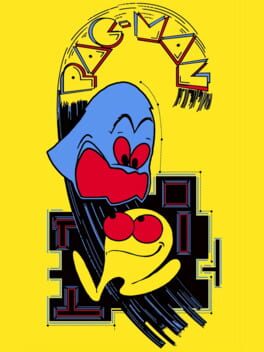
Pac-Man is a 1980 maze action video game developed and released by Namco for arcades. It is considered one of the classics of the medium, virtually synonymous with video games, and an icon of 1980s popular culture. Players control Pac-Man, who must eat all the dots inside an enclosed maze while avoiding four colored ghosts. Eating large flashing dots called Power Pellets causes the ghosts to temporarily turn blue, allowing Pac-Man to eat them for bonus points.