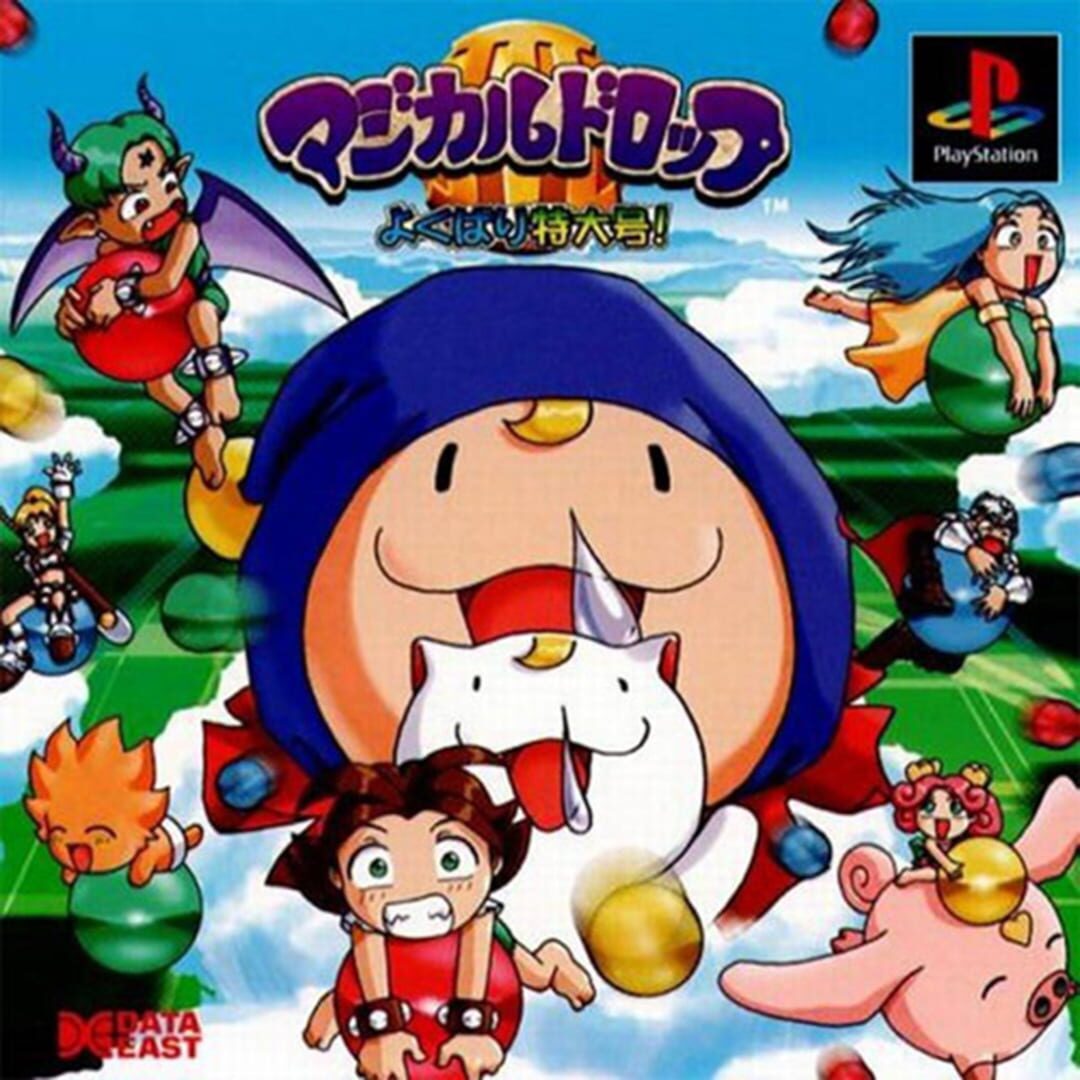

Magical Drop III was ported twice to the Sony PlayStation. The first PlayStation port, Magical Drop III: Yokubari Tokudaigou!, and features a mode that attempts to play similar to the arcade version alongside the Saturn's "special" rebalanced mode. Despite the "arcade" version visually mimicking the Neo Geo AES version (down to emulating the starting menu), there are several gameplay and graphical quirks that suggest that it is an adjusted version of the "special" mode rather than a direct port. The choice between Arcade and Special mode is given to the player immediately upon booting the game, and the system must be reset to switch.

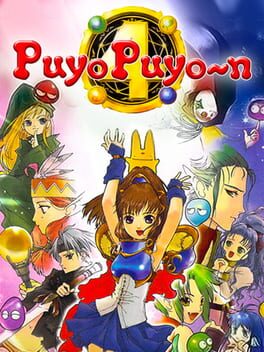
This game was released only in Japan. It is the fourth game in the Puyo Puyo series and the last set during the Madou-era in the main series. Continuing the trend of naming the games after puns, the name comes from a pun on "yon", the Japanese word for the number 4, but this time this is the only reference to the pun. The gameplay in is similar to that of Puyo Puyo 2, but adds super attacks. Clearing chains now builds up a "charge meter" which allows players to use them. The only other addition was a new game mode which could be played with a number of different field sizes, smaller or bigger than the standard 6x12, however, it removes several game modes that were present in Puyo Puyo Sun, i.e. the tournament, task and chain training modes. The art is also vastly different to the previous game in the series and, of course, the Fever series; this style was only otherwise used for Minna de Puyo Puyo.


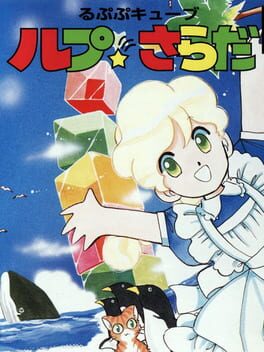
Rupupu Cube: Lup Salad is a block-pushing puzzle game developed by Fupac for the PlayStation in Japan only until it offered in the US through PSN Import Classic. It has been ported to both the DS and the PSP in Japan as well. The characters were designed by Izumi Takemoto.

Puzzle / Adventure / Fantasy / Drama
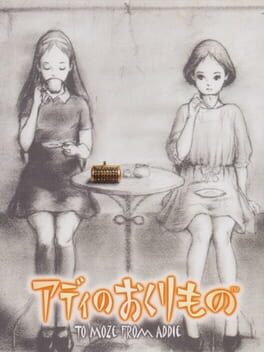
Addie No Okurimono: To Moze from Addie is an adventure puzzle game made by Sony in 2000, the game features a story mode in which the player controls a female character that have to solve different kind of puzzle to advance through the adventure. During the game she also will find different characters to interact in a world with an interesting & unique atmosphere.

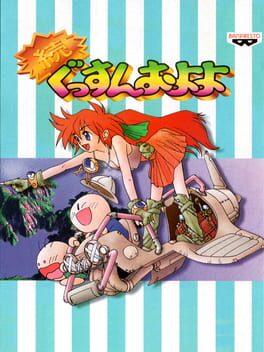
Zoku Gussun Oyoyo is an action puzzle game and a sequel to Risky Challenge. The game plays essentially the same as its predecessor — position falling blocks in a well, Tetris-style, to guide the characters to the exit of each stage — but includes 100 all-new puzzles and several new game modes. Normal and Versus modes are the single-player story and two-player versus modes returning from the previous game; Tsume mode is a dedicated puzzle mode; Climbing mode is an endless climb mode where the goal is to climb upward as far as possible; and Ranking Certification mode is a trial mode where the player must complete a selection of stages to earn higher rankings. The PlayStation and Saturn versions feature slightly different puzzle layouts but are otherwise identical.

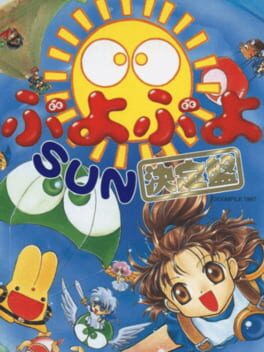
This game is a Japan-only port of the third game in the Puyo Puyo series originally made for the Arcades by Sega. The name of Puyo Puyo Sun comes from a Japanese pun on "san", and also indicates a new Ojama brought into the game. As Sun Puyos were used in this game, and the game itself is not only set on a tropical beach, but is the third in the series (三, "san" is the Japanese word for the number 3), the name suited the game. The Ketteiban (Definitive) edition of the game introduces a nazo puyo puzzle mode. Rerecorded audio tracks and voice acting, using higher quality audio tracks from the arcade version as a source. Just like the predecessors, Puyos fall from the top of the screen in pairs, can be moved left and right, and can be rotated clockwise and anti-clockwise by 90°. The rule of Sousai and Zenkesei still remained, but every time you countered, special garbage would fall on the screen in a preset pattern. Every time you cleared the screen however, Sun Puyos would fall on the screen, and the All Clear bonus removed. The game features 3 story modes featuring their own character and difficulty: Draco Centauros (Easy), Arle Nadja (Normal) and Schezo Wegey (Hard).

Platform / Puzzle / Adventure / Fantasy
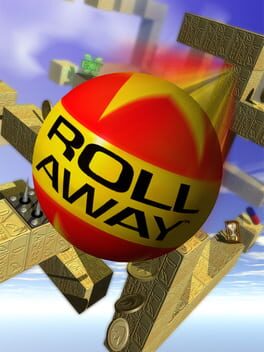
Roll Away is a 3D platform puzzle video game which places the player in control of a Kula beachball. The main objective of the game is to collect keys which unlock the level exits, as well as coins and jewels along the way. The game makes use of alternative physics, changing the direction of gravity as the ball moves.

Puzzle / Role-playing (RPG) / Fantasy / Science fiction
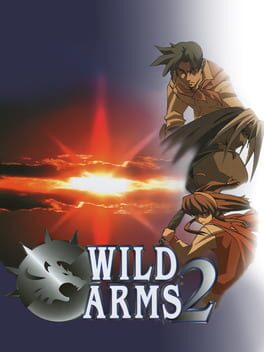
Wild Arms 2 is not a direct sequel to the first Wild Arms, although it is set in the same fictional world Filgaia, which combines elements of Old West, steampunk, and fantasy. The turn-based combat system against randomly appearing enemies resembles that of the predecessor, featuring techniques unique to each character, as well as the Guardian system, which allows the characters to summon powerful creatures to assist them in battles. Three combatants can be used actively in battles; the player can also switch any of them with a reserve character, up to six altogether.