Developed by Capcom Production Studio 1 for Capcom.
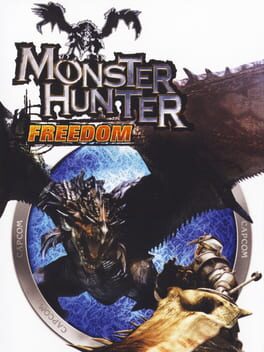
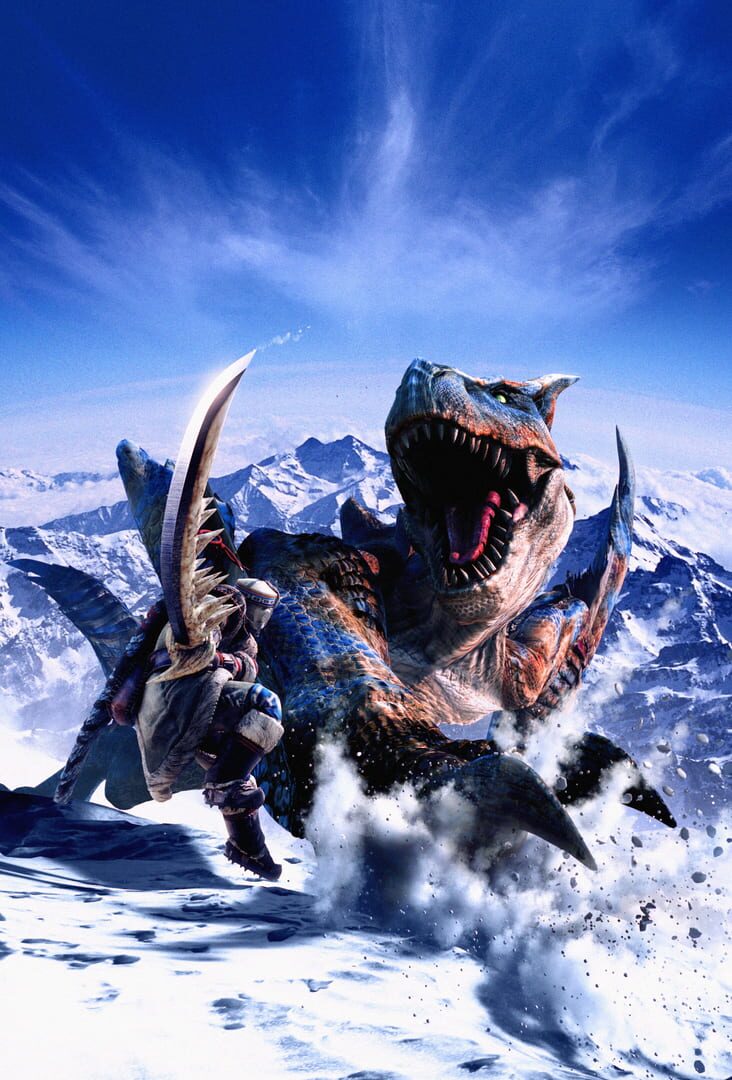
Monster Hunter Freedom 2 is a standalone PSP entry that adapts the core content of Monster Hunter 2 into a new single-player campaign, with additional content created for the handheld release. Players complete hunting, gathering, and treasure quests, using materials obtained from monsters and the environment to craft and upgrade weapons and armor. Quests can be undertaken alone or cooperatively by up to four players through local ad hoc multiplayer.

Role-playing (RPG) / Strategy / Action / Fantasy
Known as "Monster Hunter Portable" in Japan, Monster Hunter Freedom is essentially a PSP version of the preceding expansion to the original game, Monster Hunter G. As such it features very similar content, reworked to be a portable experience. Monster Hunter Portable does not features Minegarde Town from Monster Hunter and Monster Hunter G, and was focused around local multiplayer rather than online. As such, the game was completely rebalanced to be more friendly to solo players. The game features a single new monster that was not in the series prior, Yian Garuga. The game revolves around the player completing quests and gathering materials to upgrade their equipment in order to advance. The more rare the items and equipment, the stronger the main physical aspects of the character will be. Unlike other hack 'n' slash games, this game requires planning and skill in order to overcome large monsters instead of brute force. There are many weapons which the hunter can use to bring down the monsters, these are sword and shield, great sword, dual swords, hammer, lance, bowgun and the heavy bowgun. Each requires a variety of items to create which are acquired by completing quests, and collecting the spoils carved from monsters or found on the ground.

Platform / Puzzle / Role-playing (RPG) / Action / Fantasy
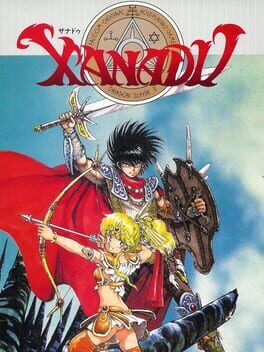
In Legend of Xanadu, the player controls a young adventurer named Areios. Monsters attack his homeland, and he is forced to flee. After traveling by ship and arriving at the town Bolda, Areios finds out that strange things have been happening in the North Cave near the town. His first mission will be to venture to the North Cave and investigate the matter. Of course, soon Areios finds himself involved in a battle against sinister forces, and commences the longest and most dangerous adventure of his life! The game is an action RPG set in the Dragon Slayer universe, with a gameplay style similar to Falcom's other popular series, Ys. Controlling Areios, the player explores the top-down world, visiting towns and fighting monsters in vast outdoor areas and dungeons. Like in Ys series, it is sufficient to "bump" into a monster in order to inflict damage. Areios gains hit points and becomes stronger by sustaining damage from enemies and resting. His weapons and armor can gain experience and level up. In many areas, companions will join Areios and help him in combat, controlled by the computer AI. The game is divided into chapters; the final stage of each chapter is a side-scrolling/platform level, which Areios has to navigate in order to reach the boss enemy, defeat him, and end the chapter. In such stages, the combat turns into a more familiar action-oriented style, with the player being required to press buttons in time in order to execute attacks and jump. There is a day/night cycle in the game, manifested not only in graphical changes, but also in the schedules of townspeople: when it's dark, people will return to their homes and go to sleep, etc.
Role-playing (RPG) / Adventure / Fantasy / Sandbox
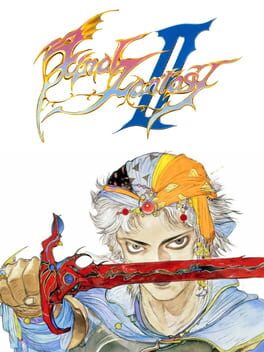
Final Fantasy II is the second installment in the Final Fantasy series, developed and published by Squaresoft. It was directed by Hironobu Sakaguchi, with Yoshitaka Amano designing the characters and Nobuo Uematsu composing the score. It was notable for being one of the first story-intensive RPGs released for console systems, and introducing many series staples, including chocobos and a character named Cid. Its story is unrelated to the original FINAL FANTASY, and its gameplay is a major departure from the previous title for eliminating the traditional experience-based progression system.

Role-playing (RPG) / Strategy / Action / Fantasy
Diablo is an isometric strategy RPG and one of the most well-known examples of the action-RPG subgenre. Although some of the game mechanics resemble a typical RPG, all actions are done in real-time just like in an action game. The player have to kill hordes of monsters through randomized dungeon levels in order to gain experience points, gold and a variety of equipment to bolster the hero's monster-killing potency.

Role-playing (RPG) / Strategy / Action / Fantasy
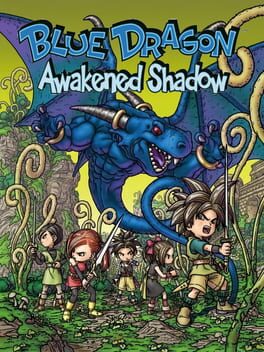
Awakened Shadow is designed to take full advantage of the Nintendo DS capabilities allowing players to engage in impressive boss battles with up to two friends and earn and trade items via the Nintendo Wi-Fi Connection in multiplayer mode. Players will be able to attack enemies faster than ever before with upgraded weapons and powerful Shadows, which can be switched for tactical advantages. Players will roam a 3D open world environment across several unique “cube” worlds as they take on formidable Otherworld bosses, complete multiple challenges, and recruit over a dozen characters in their own custom adventure.

Role-playing (RPG) / Turn-based strategy (TBS) / Adventure / Fantasy / Sandbox
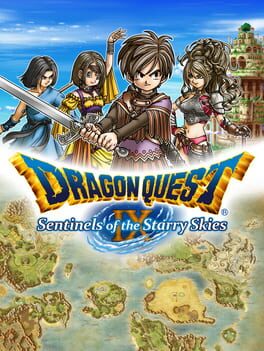
In Dragon Quest IX: Sentinels of the Starry Skies, players begin their adventure as a city guardian who is sent to retrieve a sacred trees fruits, which have the power to grant wishes. Players travel the world, conquer fearsome monsters and unravel an epic storyline. During their journey, players will encounter mighty opponents in fast-paced battles, and also interact with a colorful cast of characters.

Role-playing (RPG) / Hack and slash/Beat 'em up / Adventure / Action / Fantasy
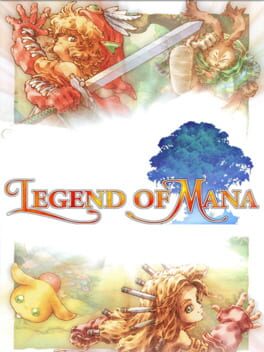
While incorporating action role-playing game elements from the three games which preceded it, Legend of Mana has its own distinct style of gameplay. Most notably, it gives the player the ability to shape the game's world of Fa'Diel according to his or her desires, a system which was incorporated through the use of "artifacts," which are gained as the player progresses through the game. The player uses the artifacts to create different towns, dungeons, etc., called "Lands", to venture to and explore. This creates a non-linear gameplay, since the game is driven by a series of what would be considered side-quests in other games. Legend of Mana features three different plots which can occur simultaneously, and which do not necessarily need to be completed for the player to finish the game. Legend of Mana was a financial success in Japan. While the game garnered considerable praise for its graphics and presentation, many critics and fans were turned off by the game's lack of a main storyline.

Platform / Puzzle / Role-playing (RPG) / Action / Fantasy
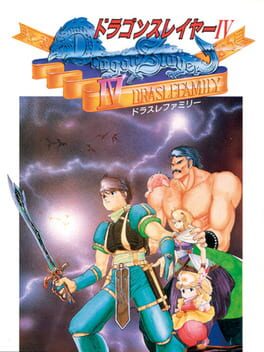
Play as five members of a family that set out to kill a dragon hidden within a giant maze.