Mortal Kombat II1994
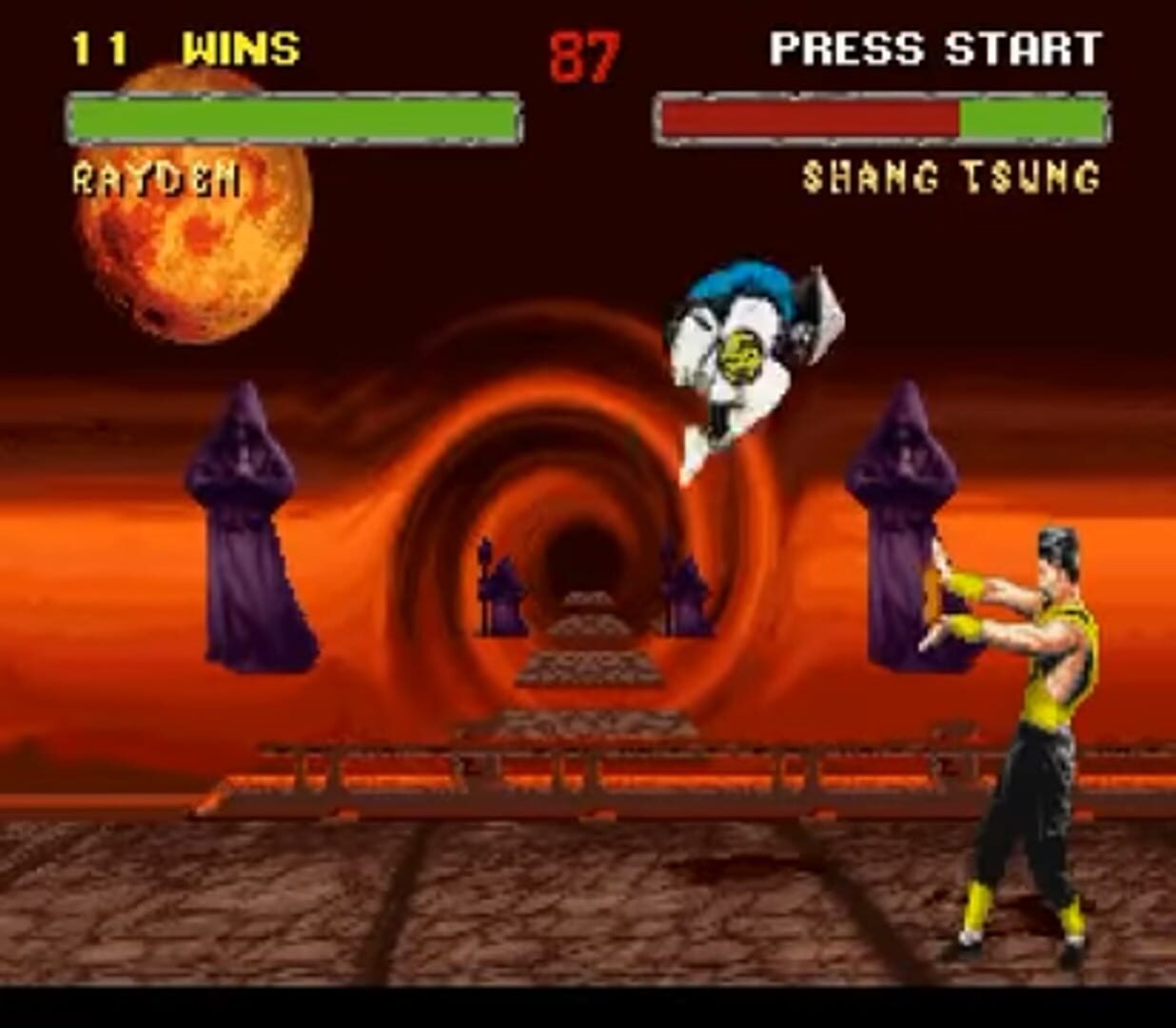
Port of Mortal Kombat II for the Super Famicom. This version of the game was censored (green blood, toned down fatalities), unlike the Western version for the SNES.
Screenshots
Featured in
Port of Mortal Kombat II for the Super Famicom. This version of the game was censored (green blood, toned down fatalities), unlike the Western version for the SNES.
The Genesis port of Mortal Kombat had an edge over the SNES version because it didn't have as much as censoring. For it to have a lower age rating, though, the blood is missing by default from the game, but available through the input of a cheat code. This version was given an MA-13 rating by the Videogame Rating Council.
Mortal Kombat is a side-scrolling fighting game. Fighting is set as one-on-one combat, allowing each player to perform a variety of punches, kicks, and special moves in order to defeat their opponent. When the opponent faces their second round loss, the winner can perform a finishing move called a "Fatality" on the loser. The Fatality is a move unique to each fighter that graphically kills the loser in a blood-soaked finale.
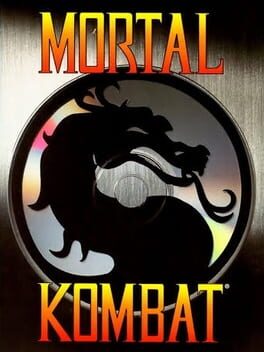
Mortal Kombat is a side-scrolling fighting game. Fighting is set as one-on-one combat, allowing each player to perform a variety of punches, kicks, and special moves in order to defeat their opponent. When the opponent faces their second round loss, the winner can perform a finishing move called a "Fatality" on the loser. The Fatality is a move unique to each fighter that graphically kills the loser in a blood-soaked finale.
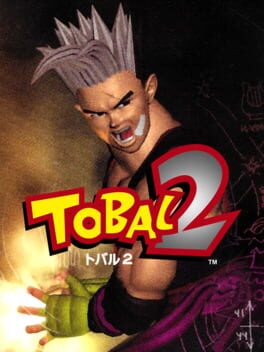
Fighting / Role-playing (RPG) / Adventure / Action / Fantasy
The fighting system in Tobal 2 is the same as in the previous game. The player can freely navigate 3D fighting arenas under the condition that he or she faces the opponent. High, medium, and low attacks can be executed using assigned buttons. As in Tobal No. 1, the grappling and blocking system offers the player a variety of offensive and defensive maneuvers. A new unblockable fireball attack has been added for each character. Tobal 2 was released on the same day as Sony's Dual Analog Controller in Japan, noted as the first game compatible with the peripheral. Graphically, the game features Gouraud shaded and higher-resolution character models compared to Tobal No. 1, but still runs at 60 frames per second.
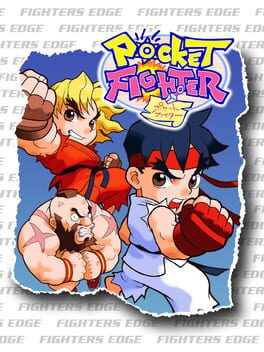
Pocket Fighter is a port of Super Gem Fighter Mini Mix. This version of the game add-in additional modes like Character Edit and Running Battle Mode. As can be expected due to the PlayStation's memory capacity, some of the Arcade release's graphics were removed, such as certain scenes and in-game effects.
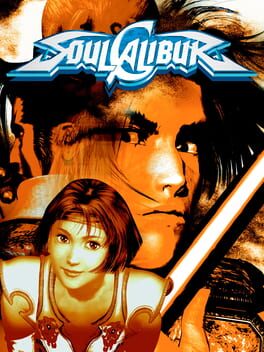
Fighting / Arcade / Action / Fantasy
SoulCalibur is a weapon-based 3D fighting game developed by Project Soul and produced by Namco. It is the second game in the Soul series, preceded by Soul Edge (1996). Originally released in arcades in 1998, it ran on the Namco System 12 hardware. In 1999 it was ported to the Dreamcast with improved graphics and new features. The North American version was released in September 1999 as a launch title for the Dreamcast and was part of the successful launch of the new console. It became available as a downloadable title on Xbox 360's Xbox Live Marketplace in 2008. The title brought many innovations to the fighting game genre that include a heavy emphasis on weapons and a unique eight-way movement system. Soulcalibur is widely regarded as one of the best Dreamcast titles and is one of the most critically acclaimed fighting games of all time.
Fighting / Adventure / Arcade / Action / Fantasy
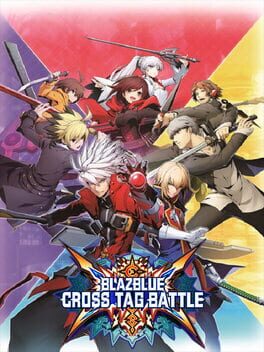
"THE COLLISION IS INEVITABLE! THE IMPACT WILL BE UNAVOIDABLE! An unrivaled clash of explosive proportions! The beloved BlazBlue franchise Crosses universes, Tags in fan favorites, and Battles it out in BlazBlue: Cross Tag Battle! Created through an all-star collaboration between BlazBlue, Atlus’ Persona, French Bread’s Under Night In-Birth, and Rooster Teeth’s hugely popular RWBY web series, Cross Tag Battle celebrates the fighting genre for pros and newcomers alike! Choose your team in fast paced 2v2 team battles filled with the craziness you’ve come to love from BlazBlue, with all the tight mechanics, smooth gameplay, and gorgeous 2D graphics you expect from Arc System Works."
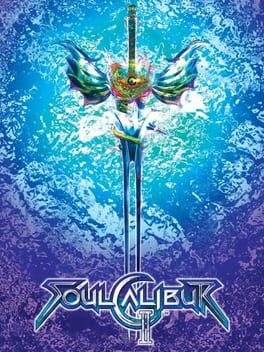
SoulCalibur II is the third installment in the Soul series and continues the tradition of his predecessors with improved graphics, new characters and new levels. A majority of the action takes place in Weapon Master mode where you have to choose a character and travel a set map to fight the many other warriors through different levels and challenges. Console ports were released, including guest characters from other franchises. The Arcade version has a unique mode called "Conquest Mode". This mode, which uses a name and password system to save data, allows the player to select one army among four. The player then fights against enemies in a series of eight 1-round battles, win or lose (the first seven are based on the player's rank, and the eighth is chosen by the player – this can only be interrupted by a Versus challenger.) After each round, the player earns EXP and can be promoted, and the game also rates the player in four categories: Soul, Power, Wisdom and Skill. The game also keeps track of which moves the player knows and uses most often. After the eight battles, territory control is updated and the player has the option to fight a bonus round against their character played by the AI.