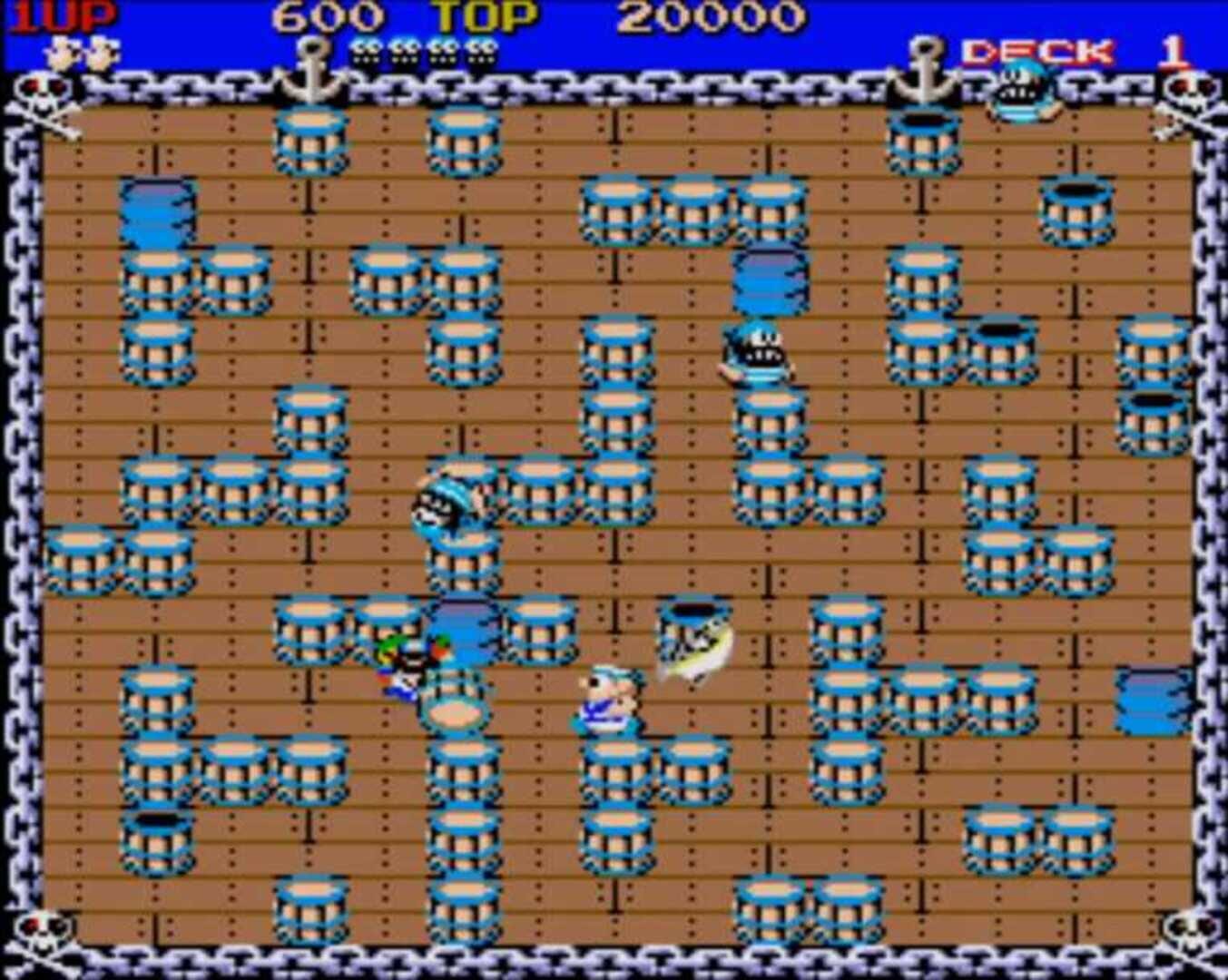

The player controls a Norwegian sailor by the name of Momotaro, who must use barrels to defeat the titular pirate crew. Momotaro has no attacks of his own. However, he has the ability to grab barrels, drums, large bags, and various other items which he can throw (either horizontally or vertically) across the screen. Any pirate who stands in the way of a barrel or other object will be hurled off the screen. Barrels that impact the walls of a stage or other barrels or objects will shatter and produce points, while other objects are invulnerable (but do not produce points). Each successive enemy that is hit by a barrel will yield additional points once the barrel is destroyed. In addition, there are also various items hidden beneath barrels in each level which will give Momotaro bonus points. Every floor of the ship has a set number of pirates to be destroyed, as well as a single "Bow", a special pirate that regenerates each time it is defeated. Every fourth level in the game yields a bonus level in which the barrels are worth an increased number of points, and a group of enemies entirely made up of Bows (which do not regenerate in this case). With each successive floor, the speed and intelligence of the pirates increases. For every sixteen barrels Momotaro destroys, he will be rewarded with an item that grants invincibility for a limited amount of time, allowing him to defeat enemies by simply touching them. Momotaro's enemies do not have attacks, but a single touch from an enemy will cause him to die and be revived, costing the player one of his/her extra lives; the game will be over when he or she has no more lives. The game has no ending, but following the sixteenth level, the enemy patterns will reset to level one. The layout of the barrels on the stages will continue to change, however, and the enemy count per level will not reset to level one counts. Following level 16, the game may Kill screen at the start of a level or after losing a life.
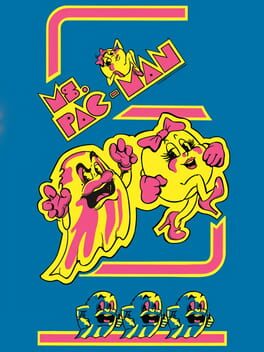
In 1982, a sequel to the incredibly popular Pac-Man was introduced in the form of his girlfriend, Ms. Pac-Man. This sequel continued on the "eat the dots/avoid the ghosts" gameplay of the original game, but added new features to keep the title fresh. Like her boyfriend, Ms. Pac-Man attempts to clear four various and challenging mazes filled with dots and ever-moving bouncing fruit while avoiding Inky, Blinky, Pinky and Sue, each with their own personalities and tactics. One touch from any of these ghosts means a loss of life for Ms. Pac-Man. Ms. Pac-Man can turn the tables on her pursuers by eating one of the four Energizers located within the maze. During this time, the ghosts turn blue, and Ms. Pac-Man can eat them for bonus points. The Energizer power only lasts for a limited amount of time, as the ghost's eyes float back to their center box, and regenerate to chase after Ms. Pac-Man again. Survive a few rounds of gameplay, and the player will be treated to humorous intermissions showing the growing romantic relationship between Pac-Man and Ms. Pac-Man, leading all the way up to the arrival of "Junior".

Shooter / Arcade / Action / Science fiction
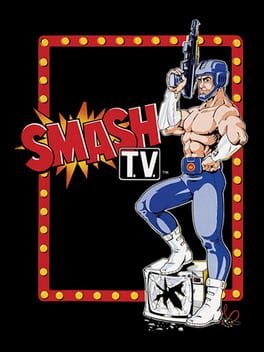
Moving from one room to the next within the studio/arena, players have to shoot down hordes of enemies as they advance from all sides, while at the same time collecting weapons, power-up items, and assorted bonus prizes until a final show down with the show's host where you are finally granted your prizes, your life and freedom. One of the enemies is fat and is named Mr. Shrapnel who roams aside of the walls of some rooms and after a short period of time he explodes.

Platform / Puzzle / Arcade / Action / Comedy
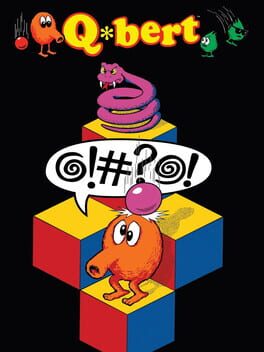
Q*bert was a popular arcade game that was released on a large number of consoles in the early 1980s. It was developed and published by Gottlieb, and became their most successful game. The concept serves as a precursor to the isometric platformer genre, where the title character must work to turn all cubes to a certain colour in a psuedo-3D world, made 3D through isometric graphics in the same way that the Penrose Stairs was made. The game was widely successful and has become a highly recognizable brand of the 1980s gaming era.

Hack and slash/Beat 'em up / Arcade / Action / Science fiction
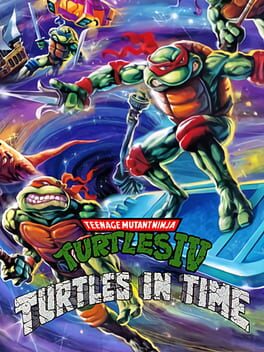
Teenage Mutant Ninja Turtles IV: Turtles in Time, developed by Konami, is a side-scrolling beat ’em up for up to two players. It is the fourth game in the series, following Teenage Mutant Ninja Turtles III: The Manhattan Project on the Nintendo Entertainment System. Originally released as an arcade game, it was later ported to the Super Nintendo Entertainment System in 1992.

Platform / Hack and slash/Beat 'em up / Adventure / Action
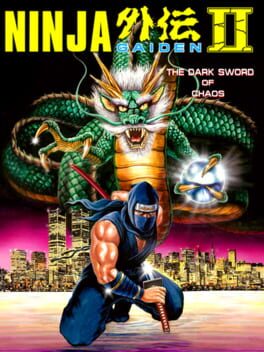
The Ninja Ryu is back to avenge the death of his father, and stop the Evil Ashtar. A year has passed since Ryu last faced his arch enemy, and still the activity down at the bottom of the realm of darkness continues. Ashtar, the evil lord who secretly controls Jaquio, is again on the move, and it is up to Ryu, the "Ninja Dragon" to put a stop to it. Use all of the secrets of the real Ninjitsu, along with the exciting audio and visual special effects and be drawn into the fantasy world of Ninja Gaiden II The Dark Sword Of Chaos.

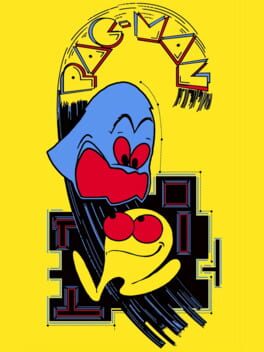
Pac-Man is a 1980 maze action video game developed and released by Namco for arcades. It is considered one of the classics of the medium, virtually synonymous with video games, and an icon of 1980s popular culture. Players control Pac-Man, who must eat all the dots inside an enclosed maze while avoiding four colored ghosts. Eating large flashing dots called Power Pellets causes the ghosts to temporarily turn blue, allowing Pac-Man to eat them for bonus points.

Shooter / Arcade / Action / Comedy
It’s duck season, and your trusty hunting dog is ready to scour the open fields. Test your sharpshooting skills as your targets take flight. Be quick to knock them out of the skies, or your canine companion won’t hesitate to make you the laughingstock of hunters! Need a change in scenery? Best your score against clay-pigeon targets instead! With three fun modes to choose from, get your trigger finger ready for some fast-paced action! You only have three shots to hit your target before it zooms offscreen. Things might get a bit hairy when you advance to the next round, because those ducks and clay pigeons are going to fly faster and faster! Play solo, or challenge a friend as you test your dogged determination and feathered speed in this NES classic!

Pac-Man Championship Edition is similar in basic gameplay to the original 1980 Pac-Man: players have to eat dots, while avoiding the four ghosts that roam around the maze. Championship Edition, however, also brings many gameplay differences. The game was designed by Tōru Iwatani, the creator of the classic original 1980 arcade game Pac-Man, and it was Iwatani's final game before his retirement.