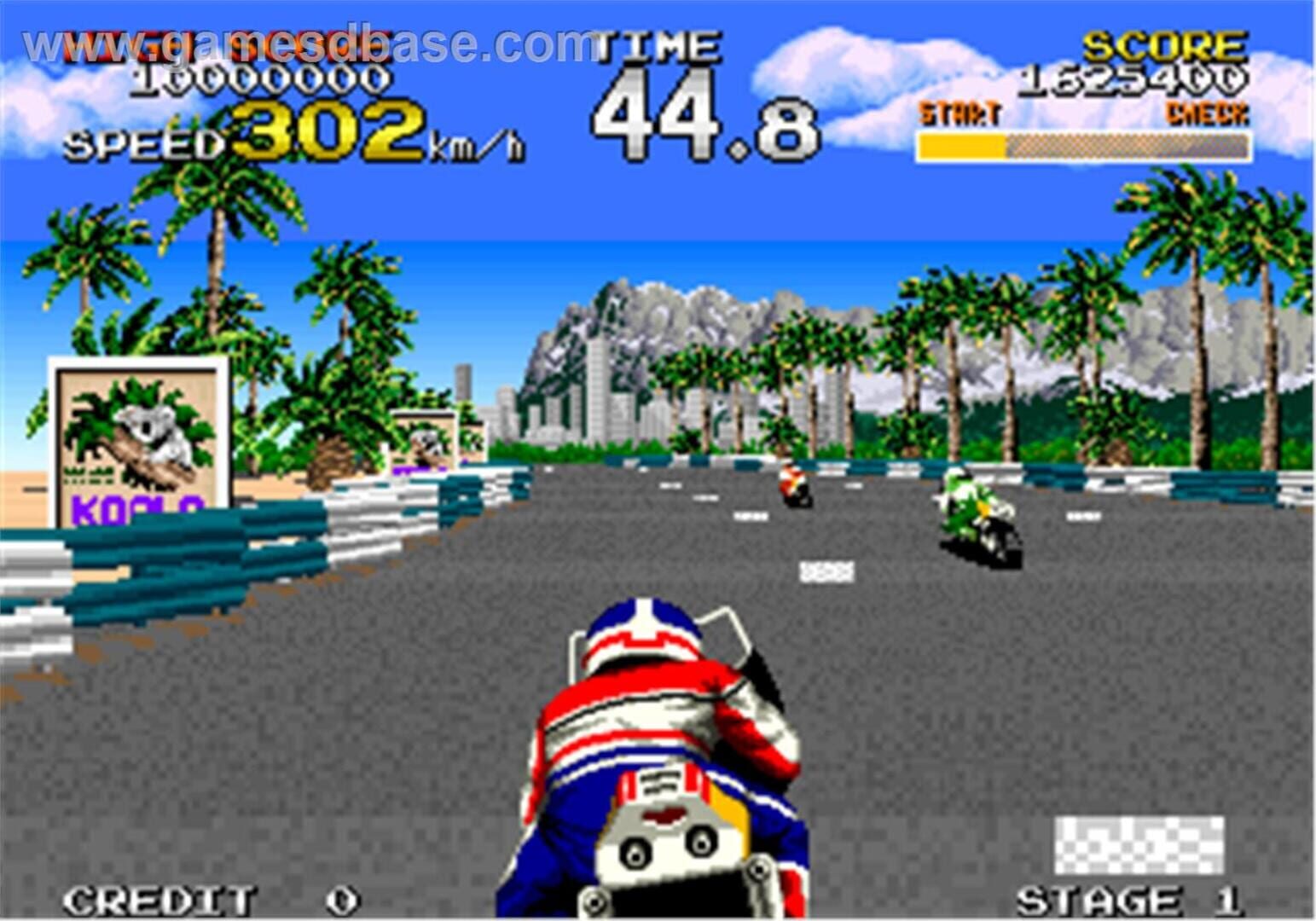
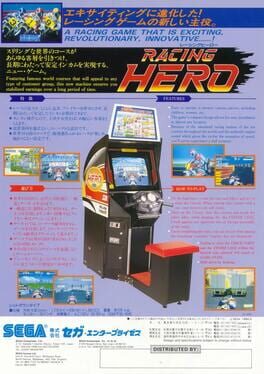

Race a motorcycle against other bikes, cars, trucks and the obligatory tight time limit. Racing Hero is the spiritual successor both to Sega's wonderful "Hang-On" series, and to their most famous racing game, "Out Run". Some of Racing Hero's stages mirrored the racing-through-traffic gameplay of the Ferrari-based racer, for example perhaps the biggest similarity to Out Run is that at the end of each stage, the player can choose which route he or she wishes to take next. This differs somewhat from "Out Run"'s highly impressive forked-road method. In Racing Hero, the player is presented with a seperate stage-select screen and simply highlights the flag of whichever country they wish to tackle next.

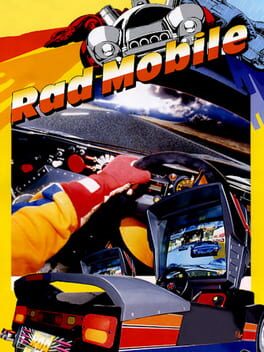
Rad Mobile is a first person perspective racer and had the player engage into a non-stop road race across the USA while avoiding traffic and police cars under the time limit. The only player controlled car is a Ferrari 330 P4 type prototype racing against computer controlled opponents driving generic cars. The player would race with fifteen other rivals across the track, all attempting to prevent the player from winning. During some of the courses the player would have the opportunity to activate different controls, which include headlights for night driving and windshield wipers during rainstorms. If the player does not activate these controls when prompted, effects such as a restricted view of the road or a wet windshield will occur.

Racing / Arcade / Action / Non-fiction
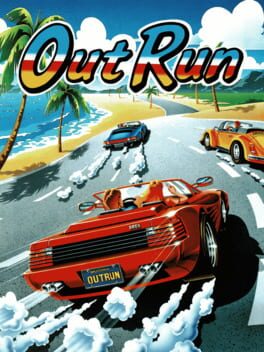
OutRun is a racing game originating in the arcades. The player can race across varied terrain in a readily available Ferrari, complete with a female passenger, over a series of short tracks. Gameplay is viewed form just above and behind the car. The roads are full of sharp bends and hazards, contact with which can cause the car to roll and lose the player's time. On each section of track there is a fork in the road, allowing the player to choose which direction he or she wishes to go in. The player has to to complete five track sections in total, out of the fifteen in the game.

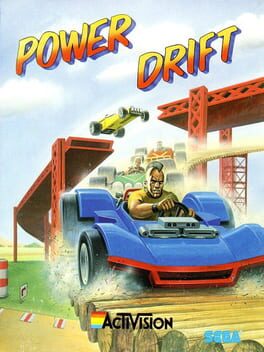
Power Drift is a kart racing game released in arcades by Sega in 1988. More technologically advanced than Sega's earlier 2.5D racing games, like Hang-On (1985) and Out Run (1986), in Power Drift the entire world and track consist of sprites. The upgraded hardware of the Sega Y Board allows individual sprites and the background to be rotated–even while being scaled–making the visuals more dynamic. Designed and directed by Yu Suzuki, the game was a critical and commercial success upon release in arcades. It was subsequently ported to various home computers in Europe by Activision in 1989, followed by a PC Engine port published in Japan by Asmik Ace in 1990. It was not released on Sega consoles until the Sega Ages release for the Sega Saturn in 1998.

Racing / Arcade / Open world
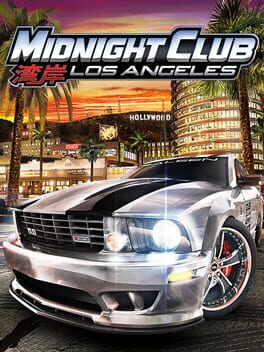
Midnight Club: Los Angeles is an open-world racing game developed by Rockstar San Diego and published by Rockstar Games. Set in a recreation of Los Angeles, the game lets players take part in street races, time trials, and freeway battles while earning money and reputation to unlock vehicles, upgrades, and customization options. The game features licensed cars and motorcycles, with performance tuning and visual modification systems. Its open-world structure lets players drive through the city without loading separate tracks, using streets, traffic, and shortcuts as part of each race.

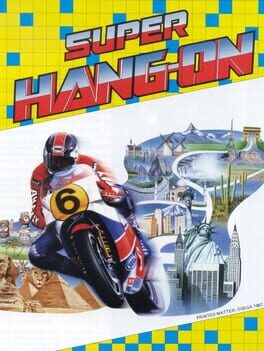
Super Hang-On is a 1987 motorcycle racing arcade game by Sega, and the sequel to the acclaimed Hang-On. A version of this game, in the full simulated-motorcycle cabinet used by the original Hang-On, was released in 1991 as Limited Edition Hang-On. It was also released for the Sega Mega Drive, Commodore Amiga, Atari ST, Macintosh, ZX Spectrum, Amstrad CPC and Commodore 64 in 1989. Super Hang-On was also released for the Sharp X68000 computer in Japan. The game also appeared on several Mega Drive compilations, namely Mega Games I (bundled with the console as Mega Drive Magnum Set), and Sega Genesis Six Pack. The arcade version was released on the Wii Virtual Console in Japan on September 14, 2010 and later for the other regions on May 3, 2012. A stereoscopic 3D version was released for the Nintendo 3DS eShop in Japan on March 27, 2013 and in North America and Europe on November 28, 2013.

Racing / Adventure / Action / Comedy
Grand Theft Auto: Liberty City Stories is an action-adventure game set in Liberty City in 1998, serving as a prequel to Grand Theft Auto III. Players assume the role of Toni Cipriani, a member of the Leone crime family, as he returns from hiding to reestablish his position within the organization. The game features open-world exploration, mission-based progression, and various side activities, maintaining the series' hallmark gameplay elements.