
Developed by Nippon Ichi Software for Atlus USA.
Role-playing (RPG) / Strategy / Adventure / Fantasy / Comedy
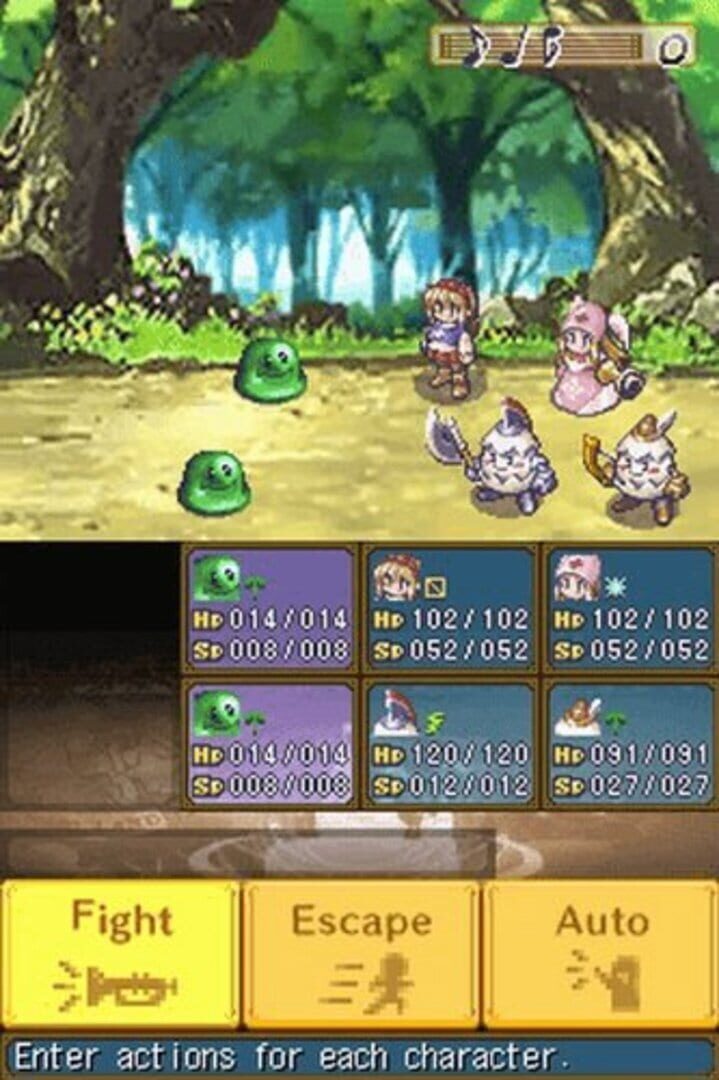
Port on the Nintendo DS, the gameplay has been changed significantly, and the battles are presented in 2D strategy-RPG type identical to the game's sequels. Kururu also engages in battle and the characters sprites are different in this version of the game.
The game centers around the adventures of Cornet, a girl who can talk to puppets and has a magical horn that grants wishes, and Kururu, a puppet that has the heart and soul of a human. The majority of the game is about Cornet and Kururu trying to save Prince Ferdinand (whom Cornet is in love with) after he has been turned to stone by the self-proclaimed "most beautiful witch in the world." The witch, Marjoly, also has a crush on the prince and had meant to put him to sleep, but messed up the spell and accidentally turned him to stone.
Role-playing (RPG) / Strategy / Tactical / Fantasy / Comedy
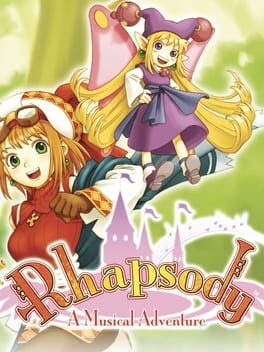
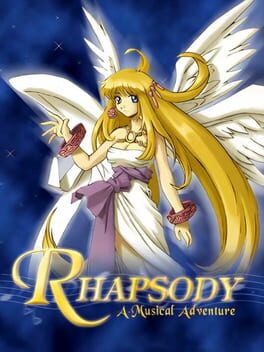
Rhapsody: A Musical Adventure, released in Japan as The Puppet Princess of Marl Kingdom is a tactical role-playing game for the PlayStation from Atlus USA and Nippon Ichi Software, the creators of Disgaea, and is part of the Marl Kingdom series. Rhapsody, along with its sequels, are considered musical RPGs, meaning in place of FMV cutscenes, there are musical numbers, complete with vocals. The game is also known for its "overwhelming cuteness" and low level of difficulty. Although this may make the game seem geared towards a younger audience, in Japan, the game and series in general has seen much success.

Role-playing (RPG) / Strategy / Adventure / Fantasy / Comedy
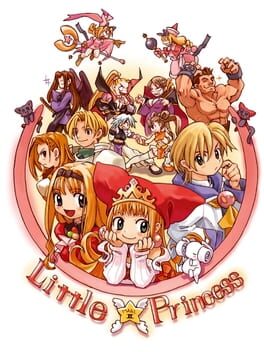
Rhapsody II: Ballad of the Little Princess is a role-playing video game developed and published by Nippon Ichi Software for the original PlayStation and is the second installment in the Rhapsody series. The game takes place twelve years after the event of its predecessor, Rhapsody: A Musical Adventure, and features much of the same characters. Like its predecessor, Little Princess includes many musical interludes and focuses on the themes of falling in love and fulfilling your dreams, though the tactical role-playing game battle system of Rhapsody was discarded for a more traditional RPG battle system.

Role-playing (RPG) / Strategy / Adventure / Fantasy / Comedy
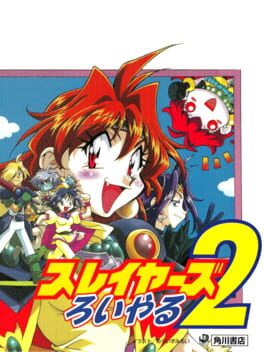
Saturn and PlayStation game based on the hit anime series.

Puzzle / Role-playing (RPG) / Strategy / Fantasy
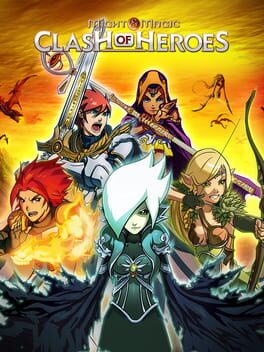
Scattered across five different regions, five special heroes must travel their own dangerous paths to grow in strength, unravel a demonic plot & ultimately save the world from chaos.

Role-playing (RPG) / Strategy / Turn-based strategy (TBS) / Fantasy
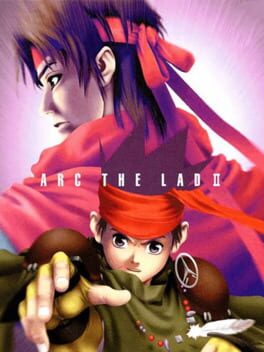
This direct sequel to "Arc the Lad" continues the unfinished story of the first game, but starts from a totally different perspective. You control a bounty-hunter named Elk, who suffers from amnesia. On his quest for his own true identity he discovers the powers hidden within him, and the destiny of his entire tribe. While pursuing his archenemy, Elk meets up with Arc, the hero of the first game, and then both realize they have been looking to destroy the very same evil. The battle system of "Arc the Lad II" is similar to the one used in its predecessor: in battles you can move your characters on the battle field, and your proximity to the enemies plays an important role. You cause and take different amounts of damage depending on your position on the battle field. Unlike the first game, this one is a full-fledged adventure/RPG, without the "strategy" feel of the predecessor. You move through the game world on your own, visiting towns and exploring dungeons.

Role-playing (RPG) / Strategy / Turn-based strategy (TBS) / Action / Fantasy
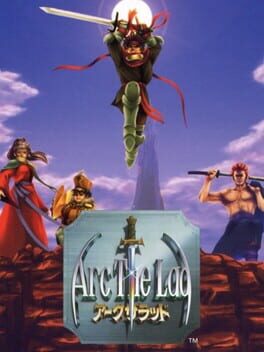
Arc the Lad is a tactical role-playing video game developed by G-Craft for the PlayStation and is the first game in the Arc the Lad series. It was released in 1995 in Japan, and released in North America on April 18, 2002, as part of Arc the Lad Collection. The Japanese released was published by SCEI, while the North American release was published by Working Designs. It was the best-selling Japanese PlayStation game of 1995 with over a million copies sold. Arc the Lad was followed by two direct sequels and many games that make up the series.

Role-playing (RPG) / Strategy / Turn-based strategy (TBS) / Fantasy
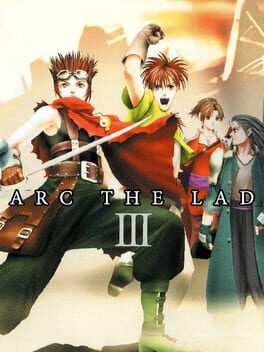
The events of this game take place several years after Elk and Arc faced their ultimate enemy in "Arc the Lad II". You control Alec, a teenager whose entire village was destroyed by an unknown evil - an event that was later called "The Great Disaster". He was saved by a mysterious Hunter. Since then, growing peacefully in a village he was brought to, which was like a new home for the survivors of the Great Disaster, Alec dreams about meeting the Hunter again, and becoming a Hunter himself. Together with his best friend Lutz he tries his luck in nearby towns, receiving small Hunter jobs, until the fate crosses the ways of the two young people with a mysterious organization called the Academy. And there their adventure really begins... The gameplay of this third installment of Arc the Lad series is very similar to that of the predecessor. You fight enemies in turn-based battles, and can move freely on the battlefield, positioning your party members the way you like. You can upgrade your weapons by forging them with special materials, and have a variety of techniques and magic spells at your disposal.

Role-playing (RPG) / Strategy / Turn-based strategy (TBS) / Action / Fantasy
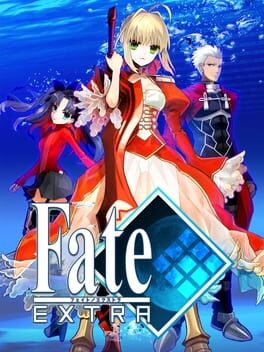
Fate/Extra is a dungeon crawl style Japanese role-playing game. The game takes place in a parallel universe to the visual novel Fate/stay night. At the start of the game, the player may choose to play as either a male or female character, as well as selecting one of three Servants — Saber, Archer, or Caster, each with different strengths and weaknesses. Players spend one ingame "week" interacting with other characters, viewing scenes that advance the game's story, talking to their Servant in their room, and gathering clues to the identity of the enemy Servant. At the end of each day, they enter the Arena, a dungeon in which they can battle monsters to gain experience points and strengthen their Servant. The game's turn-based battle system is comparable to rock-paper-scissors -- "Attack" overpowers "Break", Break overpowers "Guard", and Guard overpowers Attack. During battle, both the player and the opponent line up six such moves at the beginning of each turn.