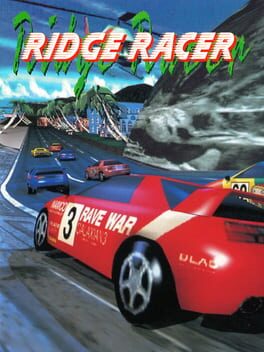

Ridge Racer was initially released on the Namco System 22 arcade system board and was later ported to the PlayStation console. It is the first title in the long-running Ridge Racer series of games released for arcades and home consoles. The game's objective is to finish in first place in a series of races. Ridge Racer was among the first racing games to utilise polygon graphics to its full potential.
In the PlayStation version, the player can play a mini-game of Galaxian as the game loads. If the player wins before the game loads, eight additional cars become available to drive in the game. The twelve cars are varied in their specifications, with some featuring a high top speed, others excelling at acceleration or turning, and others being more balanced. Certain cars are named after other Namco games, such as Solvalou, Mappy, Bosconian, Nebulasray, and Xevious. Once the game has loaded, all that is needed afterwards is to play six instrumental music tracks. The player can replace the disc at any time during gameplay, although the game does not update to reflect the switch; regardless of what disc is inserted, there will always be six tracks to choose from, corresponding to the starting points of the six tracks on the game disc. After launching the game, the player can choose a course, transmission (automatic or six-speed manual), car and song. During the race, the player can observe the racetrack from the first-person perspective (or from the third-person perspective for the PlayStation version). Namco's NeGcon controller can be used to play the game. Being an arcade racer, collisions do no damage to the car and merely slow the player down. There is also a time limit, which ends the game if it counts down to zero. Checkpoints are present throughout the track that give the player additional time when passed through. The game features only a single race track, although it consists of four race configurations of varying difficulty: Novice, Intermediate, Advanced and Time Trial (in the latter two, the track is extended). The player races against eleven other cars, except in Time Trial, where there is only one opponent. The higher the difficulty level, the faster the cars run, with Time Trial mode featuring the fastest cars. Each race consists of three laps (two on the beginner course). In the PlayStation version, after the player wins every race, "extra" races become available, which are raced on a reversed version of the course, and the player encounters an additional opponent in Time Trial mode: the 13th Racing "Devil" car, the fastest car in the game. Upon winning this race, the car is unlocked for the player to drive. In the arcade version, after finishing the game, the winning player's score is saved in action-replay highlights. The PlayStation version also features a hidden "mirror" version of the tracks. The track becomes a "mirror image" of itself; left turns become right turns and vice-versa, and the surroundings switch sides of the road.
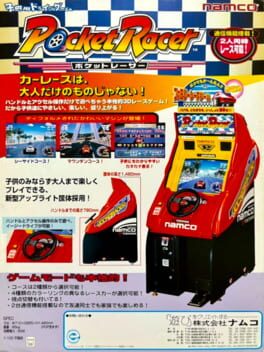
Pocket Racer is a spin-off arcade game released exclusively in Japan in 1996. Gameplay is near identical to the original Ridge Racer, but all the cars have instead been replaced with "super-deformed" Choro-Q-esque vehicles. A similar concept was included with Ridge Racer Revolution, titled Buggy Mode, which served as the inspiration for Pocket Racer.

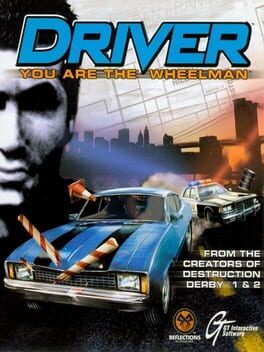
The player is John Tanner, an undercover cop who try to take advantage of his own excellent driving skill in order to infiltrate a criminal organization. In the storyline, the player has the chance to drive several cars in four american cities (Miami, San Francisco, Los Angeles, and New York), facing many different missions and tasks such as delivering a vehicle without damaging it, eliminating competitors or being the getaway driver in a bank robbery.

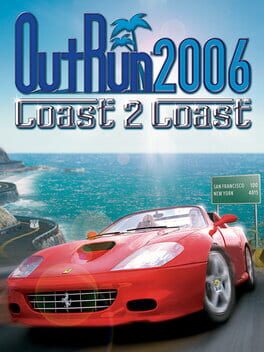
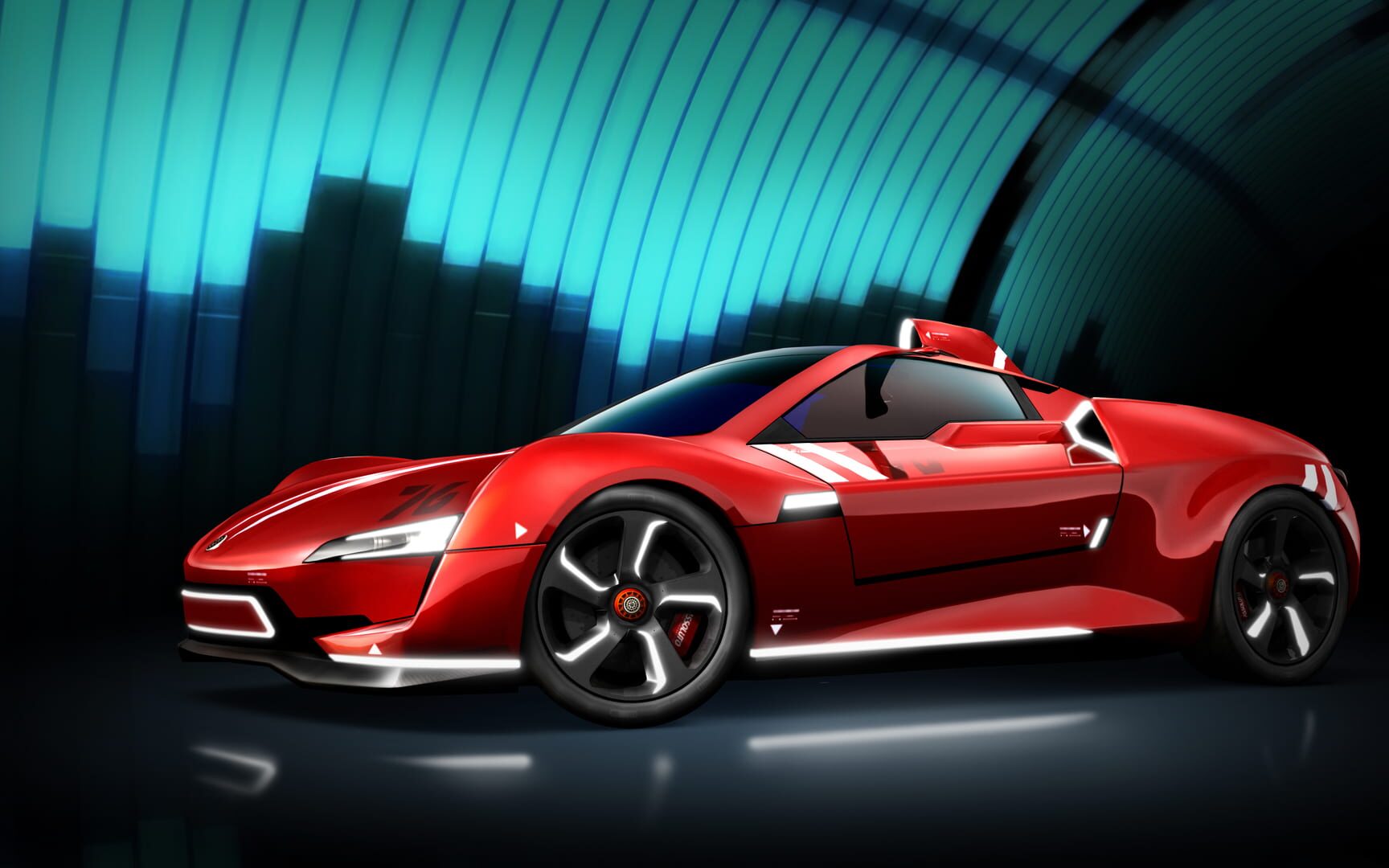
OutRun 2006: Coast 2 Coast features 15 unique cars, the most ever seen in any OutRun game. In addition to the ten cars from OutRun 2 SP, new models include the 550 Barchetta, F355 Spider, Superamerica, 328 GTS, and the Ferrari F430. Some models cannot be unlocked on the PlayStation Portable or PlayStation 2 without the use of the cross-system connectivity feature inherent of the two systems.

Racing / Arcade / Action / Non-fiction
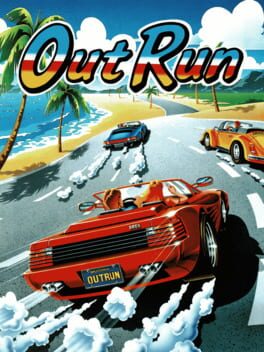
OutRun is a racing game originating in the arcades. The player can race across varied terrain in a readily available Ferrari, complete with a female passenger, over a series of short tracks. Gameplay is viewed form just above and behind the car. The roads are full of sharp bends and hazards, contact with which can cause the car to roll and lose the player's time. On each section of track there is a fork in the road, allowing the player to choose which direction he or she wishes to go in. The player has to to complete five track sections in total, out of the fifteen in the game.

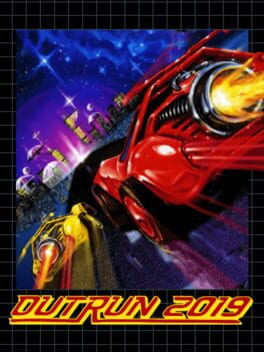
In the 21st century, if you're doing 200mph, you're holding up traffic. Welcome to Outrun 2019 - a worldwide racing tour where gutsy drivers compete over death defying tracks in a survival of the fastest.

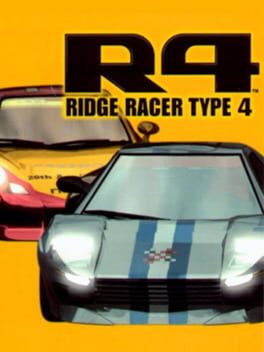
R4: Ridge Racer Type 4 is the fourth game in the Ridge Racer series. It includes eight tracks (with reverse variants, for a total of 16 layouts) and 321 vehicles, all of which are fictional. This iteration was one of the first PlayStation titles to feature Gouraud shading on polygons, giving the game a visual depth that was previously missing. It was also the first Ridge Racer game on the system to feature two-player split-screen mode and offered two different driving models.

Racing / Arcade / Action / Kids
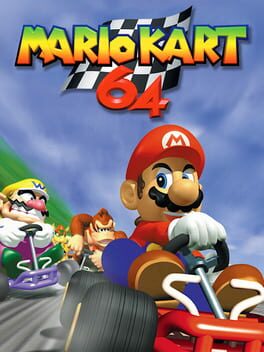
Mario Kart 64 is the second main installment of the Mario Kart series. It is the first game in the series to use three-dimensional graphics, however, the characters and items in this game are still two-dimensional, pre-rendered sprites. The game offers two camera angles and three engine sizes: 50cc, 100cc and 150cc. Each kart has distinctive handling, acceleration and top speed capabilities. Shells that you fire at rival racers, Bananas that make them skid out and Lightning Bolts that make them small and very slow are just a few of the game's unique power-ups.

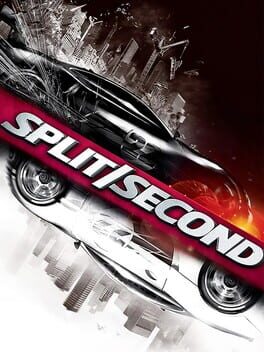
Split/Second is an intense action racing game set within a reality television show. Competitors will vie to be the first to the finish line in a made-for-TV city set rigged to blow with the ultimate goal of becoming the season champion. Players in Split/Second don’t just collide with other vehicles to knock them from the track, but can also trigger devastating events that drastically alter the dynamics of the race. Players must use pinpoint timing to obliterate huge structures and towering TV set pieces to tactically alter the track or create entirely new routes.