Developed by Angel for Ma-Ba.
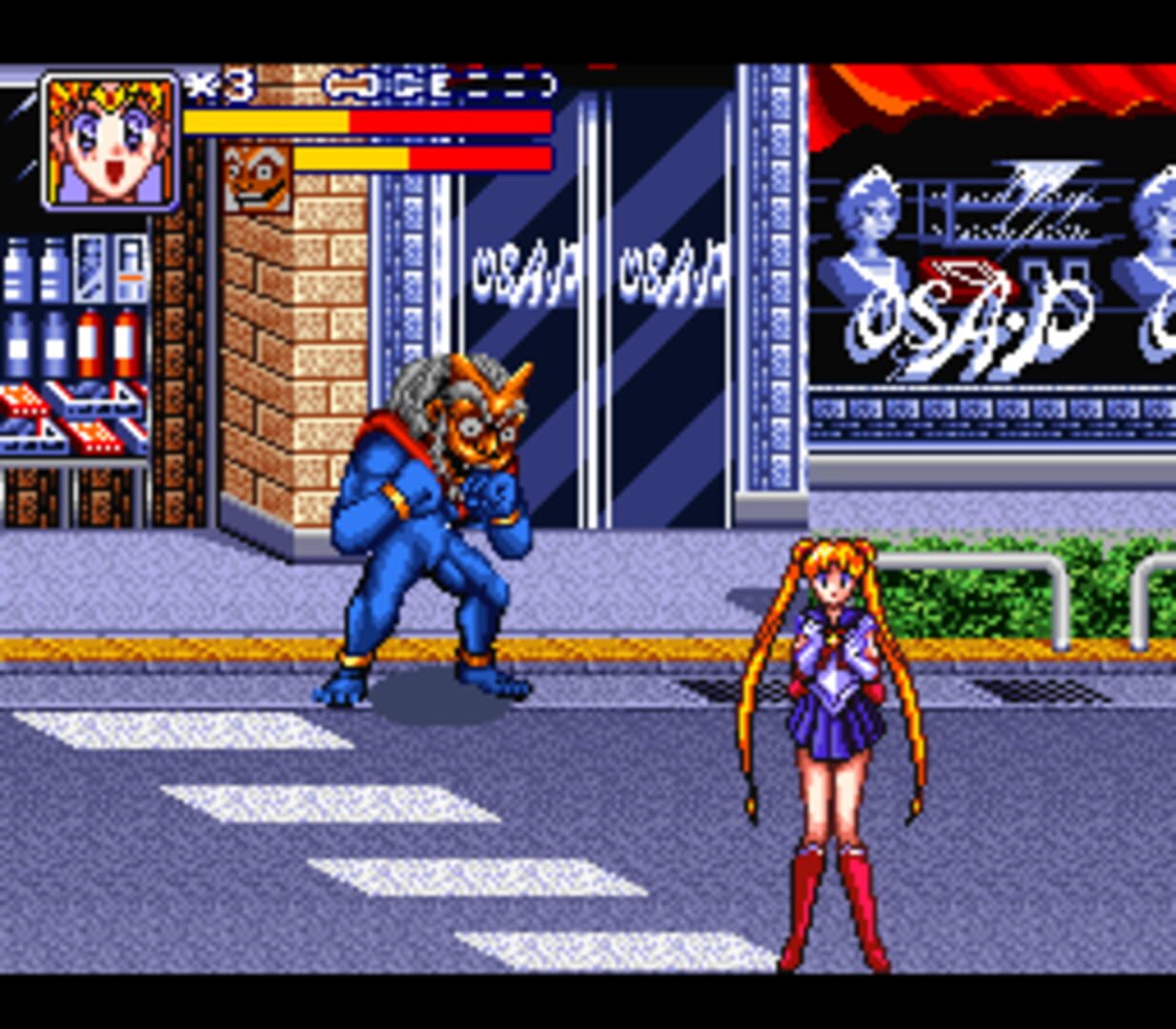
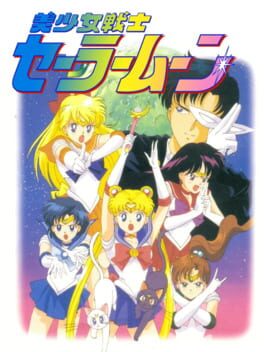
Sailor Moon (or Bishoujo Senshi Sailor Moon) is a beat 'em up video game developed by Angel in 1993, and ported to the Super Nintendo Entertainment System. It was localized in Europe exclusively in French in 1994. The Mega Drive version was developed and published by Ma-Ba, although certain elements were recycled from the Super NES version.
Loosely based on the first Dark Kingdom arc of the Anime. Players take control either of the five original Sailor Soldiers across five stages, each one set in a different location, and fight against an assortment of enemies and villains from the series in order to defeat Queen Beryl and the Dark Kingdom.

Role-playing (RPG) / Adventure / Action / Fantasy
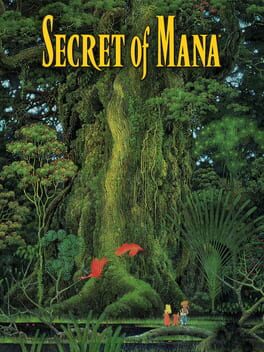
Initially released in Japan in 1993, Secret of Mana took the world by storm with its innovative real-time battle system and gorgeously rendered world. It continues to stand out among other action RPGs for its seamless gameplay that anyone from beginner to veteran can enjoy. One of the most memorable elements of the Mana series is the Ring Command menu system. With the single press of a button, a ring-shaped menu appears on the screen, where players can use items, change weapons, and do a variety of other actions without needing to switch screens. This Ring Command menu system for which the Mana series is so well known was first introduced in Secret of Mana and has since appeared in most games in the series. Play as Randi and his two companions, Primm and Popoi, as they adventure all around the world. At the center of our epic story is the mystical power of Mana. Battle the empire in its quest for control of Mana. Befriend the eight elementals who wield the forces of nature itself. Numerous encounters await at every turn.

Role-playing (RPG) / Hack and slash/Beat 'em up / Arcade / Action / Fantasy
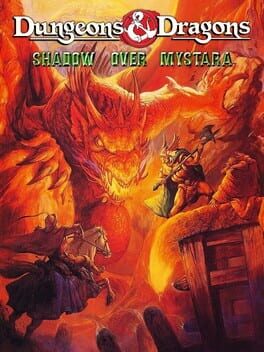
Shadow over Mystara is a side-scrolling beat-'em-up with role-play elements that make it stand out from other similar games released at the time. In addition to the original four heroes found in its predecessor, Dungeons & Dragons: Tower of Doom (Cleric, Dwarf, Elf and Fighter), Shadow of Mystara adds a Thief and a Magic-User to the selection. Furthermore, with the inclusion of two separate versions of each character's sprite set, the game allows up to two players to select the same character (in Tower of Doom each of the characters could only be selected once), effectively giving the game 12 "different" characters to choose from. The two Clerics and two Magic Users also have subtle differences within their spell books. The controls are using four buttons: Attack, Jump, Select (brings up a small inventory ring around the character allowing the player to choose what item is set in the Use slot) and Use. The Cleric, Elf and Magic-User also have two extra rings for their spells, with the Jump button used to switch from ring to ring. While the game uses the same kick harness as the previous game, the Select and Use buttons are reversed. Shadow over Mystara also introduced a selection of special moves which are executed by moving the joystick and tapping the buttons in certain combinations, in a way similar to the Street Fighter series. The characters (except for the Magic-User) have a Dashing Attack as well as a Rising Attack which can be used to combo monsters or even juggle them in the air. Most characters (again, with the exception of the Magic-User and also Cleric) also have a Megacrush, a move common to nearly all of Capcom side-scrollers, which damages all enemies standing close enough to the character but in turn also damaging the player themselves.
Platform / Indie / Arcade / Action / Fantasy
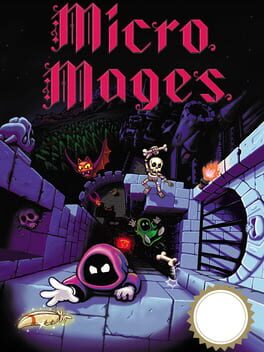
Enter the Demon Fortress. Built to torture pesky adventurers, this place is home to great treasure and ghastly creatures alike. But don't worry, you can count on allies like Fairies and Magical Seagulls to come to your help! Micro Mages is an homage to NES-era platformers. Being a homebrew NES game itself, it was made completely from scratch. We carefully distilled the spirit of the best games in the system's library, all the while drawing inspiration from the modern and putting our own spin on things, creating an experience like no other on the NES.

Hack and slash/Beat 'em up / Adventure / Arcade / Action / Fantasy
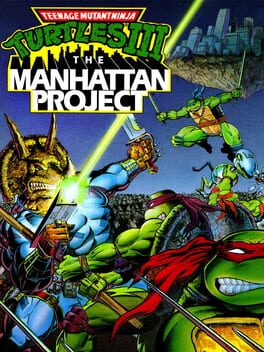
Teenage Mutant Ninja Turtles III: The Manhattan Project is a side-scrolling beat-'em-up. The game features play mechanics similar to the previous game, Teenage Mutant Ninja Turtles II: The Arcade Game, but it is an original title for the NES without any preceding arcade version.

Hack and slash/Beat 'em up / Arcade / Action / Fantasy
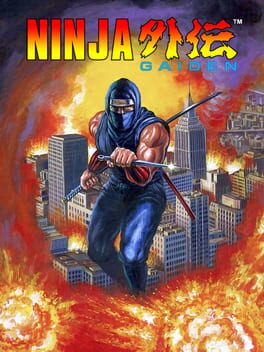
Ninja Action! The stage is set for conspiracy, mystery and evil in America. Come with Ninja Ryu as he takes you on his fateful journey. Tecmo's unique cinema display system develops the story stage by stage. You piece together the puzzle, while watching the movie-like graphics. Decide what action to take. Use the secret sword and items collected during the action scenes to fight your way to the goal!

Hack and slash/Beat 'em up / Arcade / Action / Fantasy
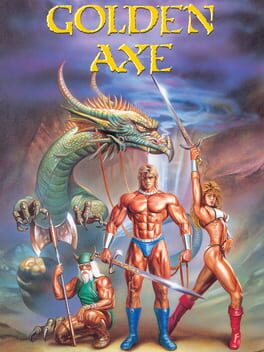
Progress is made through the game by fighting through Death Adder's henchmen, including men armed with clubs and maces, skeleton warriors, and knights. Players are able to attack using their weapon, jump and cast spells that hurt all enemies on the screen. The force of this magic depends on the number of "bars" of magic power currently available. The bars are filled by collecting blue 'magic potions' attained by kicking little sprites who then drop the potions. These sprites appear during regular levels and during bonus stages in between levels. The male warrior Ax is able to cast earth spells. The dwarf Gilius, casts lightning spells and the female warrior Tyris casts fire magic. Each character has a different number of maximum magic bars and varying ranges of attack. Various steeds known as bizarrians are found in the game. These can be ridden when the enemy rider is knocked off, or if one is found dormant. The least powerful steed is known as the Cockatrice, which can be used to knock down enemies with a swipe of its tail. The more powerful dragon, which can either shoot fireballs or breathe fire, is found later in the game.

Role-playing (RPG) / Hack and slash/Beat 'em up / Arcade / Action / Fantasy
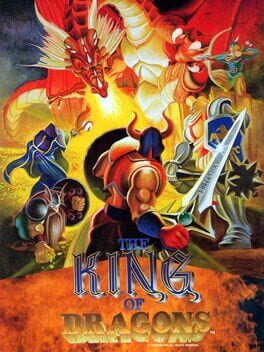
The game has 16 levels, though many are quite short. Much like Capcom's Knights of the Round, King of Dragons features an role-playing video game-like level advancement system. Points scored for killing monsters and picking up gold count towards experience, and the character gains levels at regular intervals. With each level, the character's health bar increases, other attributes such as range improve, and the character also becomes invulnerable for a few seconds. Along the way, different weapon and armor upgrades for each character may also be picked up. King of Dragons features a simple control system that consists of a single attack button, and a jump button. By pressing both buttons, the character unleashes a magical attack that strikes all enemies in screen (its strength varies according to the character used) at the expense of losing energy. The fighter, cleric and dwarf can also use their shield to block certain attacks by tilting the joystick back right before the impact. This is one of the many Capcom games to feature the yashichi power-up item. There are three such power-ups hidden throughout the game, each giving the player an extra continue.

Role-playing (RPG) / Hack and slash/Beat 'em up / Arcade / Action / Historical
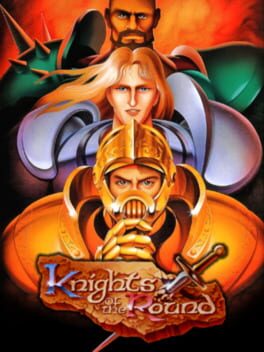
The gameplay is very similar to other Capcom beat 'em ups, such as Final Fight and Capcom's previous hack-and-slash fantasy title The King of Dragons. There are seven stages, each with its own boss and a variety of generic enemies that try to stop the players' progress. The fights rely strongly on blocking ability, which is triggered by pressing the attack button, then pressing the joystick away as the opponent strikes. If successful, the player gains a few seconds of invincibility with which to counter-attack. However, if no one strikes the player's character while holding the block, they will tire and drop their guard, making them vulnerable to attack. Blocking is vital in certain cases, since some bosses will be vulnerable only after their attack has been blocked by the player. As in most beat 'em ups, a desperation attack is performed by pressing both the attack and jump buttons simultaneously. This knocks out most enemies on the screen, but the player loses a little bit of health every time he uses it.