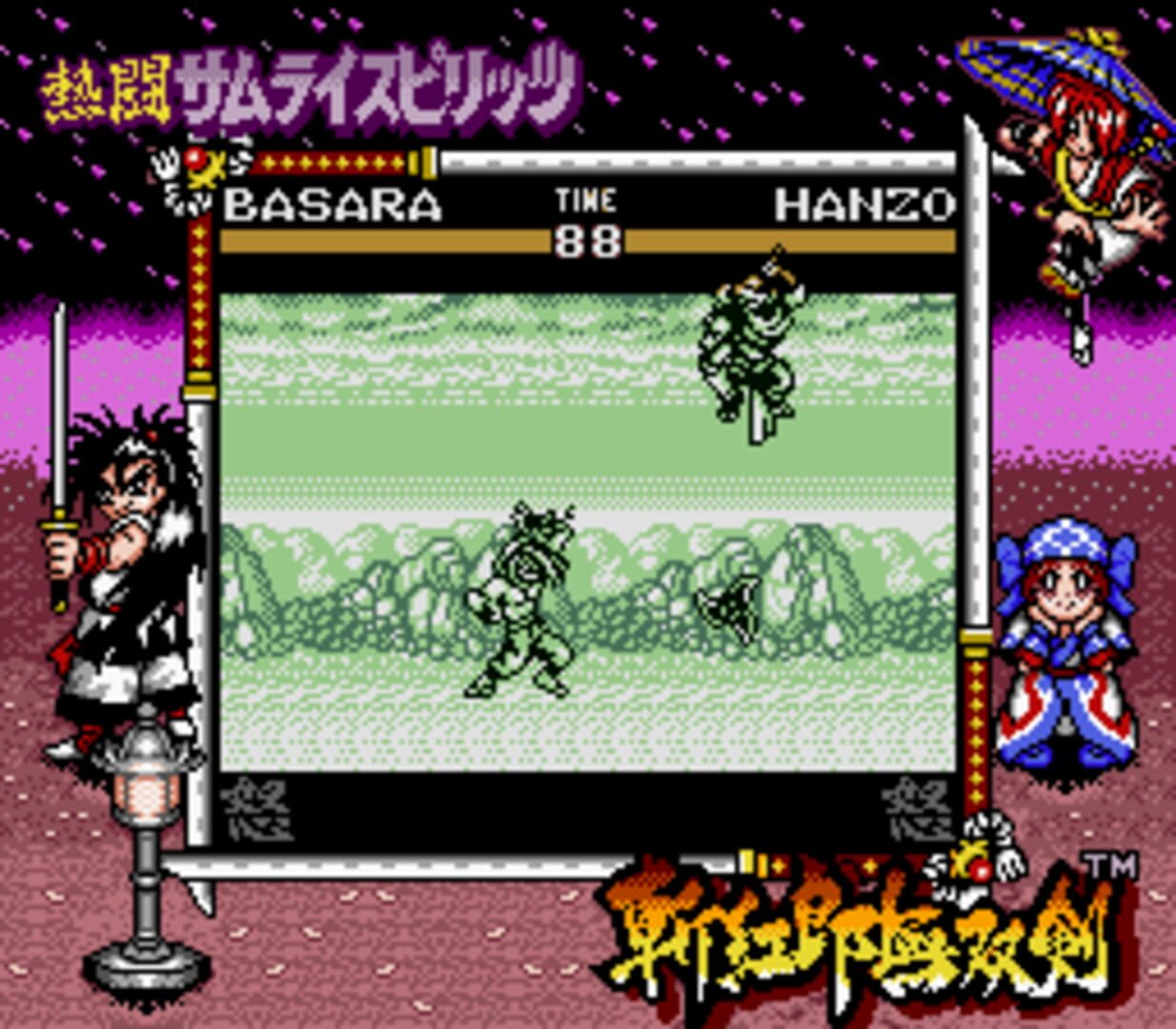
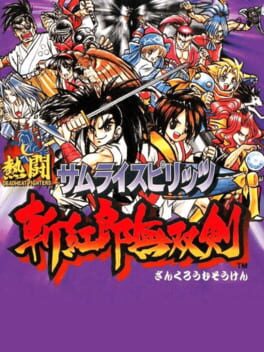
The Game Boy version of Samurai Showdown III lacks Kyoshiro Senryo and Gaira Caffeine, but adds Jubei Yagyu back to the roster as a hidden final boss exclusively for the said version. There are also exclusive features that come from using the Super Game Boy.

Fighting / Hack and slash/Beat 'em up / Action / Historical
"Bushido" is the soul of Japan - an ancient honor code deeply followed by samurai warriors for centuries. Plunge into real world battles across vast 3D environments that you can run, slice and tear through. Sword matches become unbelievably real where one critical blow is the mean difference between death and victory.


Fighting / Action / Historical
Samurai Shodown III was to be the start of a bold new direction for the franchise. The most obvious difference between this game and the others in the series is the notably darker aesthetic. The more light-hearted characters (Earthquake, Cham Cham, and Gen-an to name a few) from the previous games have been excised, and even the kabuki master, Kyoshiro Senryo, received a redesign, transforming him from a flamboyant stage performer into a grim-faced, muscular man. All of the characters have been completely redrawn. The animation is very smooth for all characters, another departure from the graphical style of the second game.

Fighting / Hack and slash/Beat 'em up / Adventure / Action / Fantasy
Warriors Orochi 2 is a 2008 video game developed by Koei (now Tecmo Koei) and Omega Force for the PlayStation 2. It is the sequel to Warriors Orochi, a crossover video game of the Dynasty Warriors and Samurai Warriors series. The game was released on September 23 in North America and September 19 in Europe. A version for the Xbox 360 was released on September 4, 2008 in Japan, and alongside the PS2 releases in North America and Europe. A PlayStation Portable version has been released in Japan, North America and Europe.

Fighting / Role-playing (RPG) / Adventure / Action / Fantasy
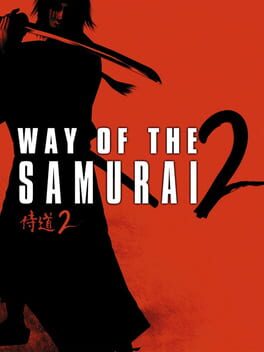
As a peaceful town becomes victim to extreme violence and unrest, a Samurai arrives with the ability to change the town's destiny. In Way of the Samurai 2, you'll take on the role of the Samurai in feudal Japan and battle to save the town of Amahara. Now you can experience traditional Samurai techniques, with realistic swordfighting moves and more than 60 powerful swords. Whether you free the innocent or join the corrupt, your decisions affect the game's ending.

Fighting / Adventure / Action / Fantasy
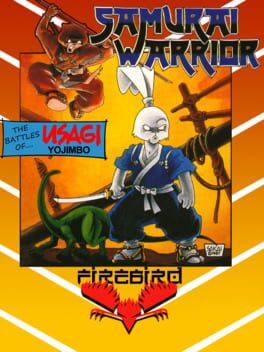
Samurai Warrior: The Battles of Usagi Yojimbo is a computer game released for the Commodore 64, ZX Spectrum and Amstrad CPC platforms in 1988, by the now-defunct label Firebird. The package artwork comes from the cover of the comic book Anything Goes #6. It was developed by Beam Software, published by Firebird, and distributed by Thunder Mountain. It is a one-player Beat 'em up game that comes on either a Cassette tape or Floppy disk (depending on the platform), and is played with a joystick. The game was released in the United States under the title Usagi Yojimbo as part of the Thunder Mountain Action Pack, Vol. 1. It was contained on Disk 1, Side 1 along with the games Great Escape, Paradroid, and (on Side 2) Implosion. The packaging for this version used artwork from the cover of Usagi Yojimbo Volume 1, # 17 along with images from the other games included in the set.
Fighting / Action / Historical
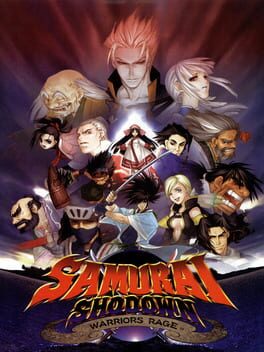
Warriors Rage is the seventh Samurai Shodown game. The events of the game take place twenty years after those described in the Hyper Neo Geo 64 arcade predecessors. The game includes new swordsmen like Rinka Yoshino (a daughter of samurai family), Seishiro Kuki (the new protagonist), Ran Po, Garyo the Whirlwind, Jin-Emon Hanafusa and more. Gameplay features a new life gauge system, split in three sections; when the two sections are drained from the opponent, the character performs taunting moves. Features: Start with 11 different warriors Arcade fighting/adventure action Hidden fighting techniques Collect all the character cards

Fighting / Arcade / Action / Fantasy
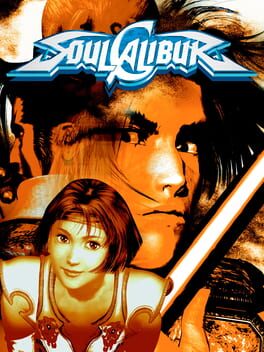
SoulCalibur is a weapon-based 3D fighting game developed by Project Soul and produced by Namco. It is the second game in the Soul series, preceded by Soul Edge (1996). Originally released in arcades in 1998, it ran on the Namco System 12 hardware. In 1999 it was ported to the Dreamcast with improved graphics and new features. The North American version was released in September 1999 as a launch title for the Dreamcast and was part of the successful launch of the new console. It became available as a downloadable title on Xbox 360's Xbox Live Marketplace in 2008. The title brought many innovations to the fighting game genre that include a heavy emphasis on weapons and a unique eight-way movement system. Soulcalibur is widely regarded as one of the best Dreamcast titles and is one of the most critically acclaimed fighting games of all time.