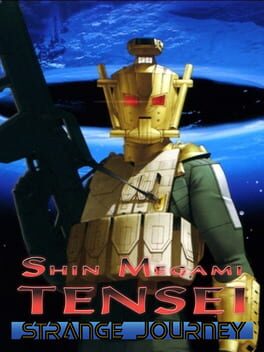

Developed by Atlus.
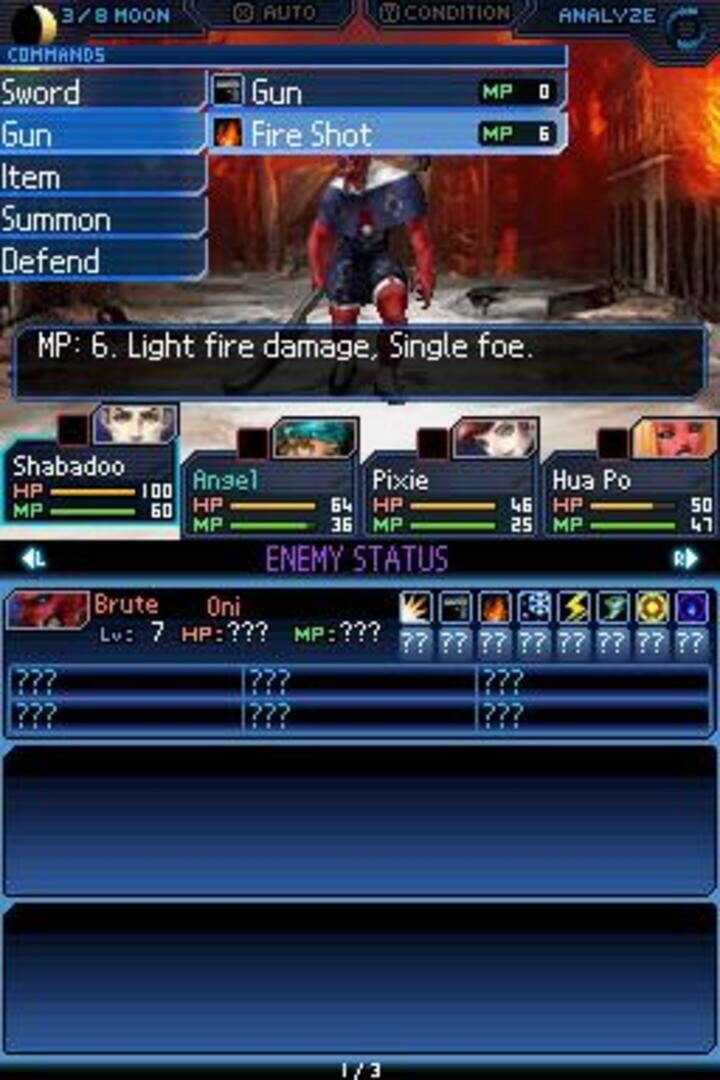
In the near future, a mysterious, growing, black void appears at the Earth's southern pole. Unable to determine its cause and powerless to stop its deadly encroachment, humanity sends an elite team of explorers into the heart of the phenomenon, just as Strange Journey's look and feel represent a return to the heart of Shin Megami Tensei, bringing to mind the all-time classic Nocturne. With over 300 demons to bribe, coerce, and negotiate with to gain assistance in battle, Strange Journey is every bit the deep, rewarding RPG experience fans have come to expect from the SMT franchise, yet delivered with a fresh new sci-fi story that taps into mature themes of morality and introspection.

Role-playing (RPG) / Adventure / Fantasy / Science fiction
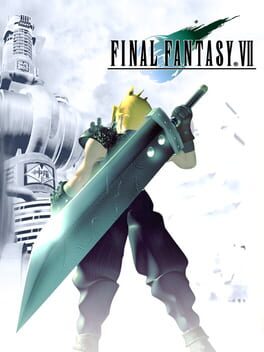
The Western release of Final Fantasy VII (released as Final Fantasy VII International in Japan) included additional elements and alterations, such as streamlining of the menu and Materia system, reducing the health of enemies, new visual cues to help with navigation across the world map, and additional cutscenes relating to Cloud's past.

Real Time Strategy (RTS) / Role-playing (RPG) / Tactical / Action / Science fiction
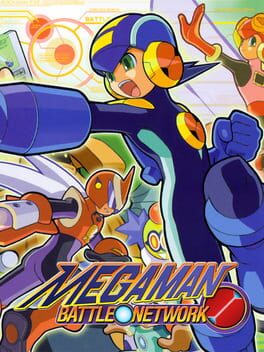
In the future, a young net-battler named Lan, boots his 'personal exploration terminal' (PET) and prepares to hack into the network to battle net crime. Lan's PET is no ordinary network navigator. It's Mega Man.EXE, the cyber-identity, which infiltrates the crime-ridden network to battle destructive computer viruses. Defeat viruses in real time and collect Battle Chips program data, containing valuable weapons data and critical system info. Collect over 175 Battle Chips to help Lan and Mega Man.EXE restore peace and order to the network.

Role-playing (RPG) / Adventure / Fantasy / Science fiction
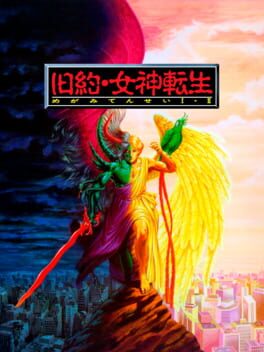
Kyuuyaku Megami Tensei is a Super Famicom remake made by Atlus of Namco’s original Megami Tensei and Megami Tensei 2 games on the Famicom. It was released in 1995 and was the last game in the Megaten series to be released on the Super Famicom.

Platform / Role-playing (RPG) / Adventure / Action / Science fiction
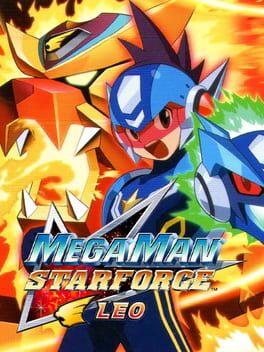
Mega Man Star Force takes place in the fictional year of 220X where two hundred years have passed after the finale of Mega Man Battle Network series, when emphasis on internet technology has lessened, and instead, the world has become networked through use of EM Waves. Though cyber worlds and NetNavis still exist in Star Force, human dependency on them has greatly decreased, and people no longer have Navi companions. instead relying on Transers. Three large satellites orbiting the Earth—Pegasus, Leo, and Dragon—power the EM Wave World that exists around the Earth's atmosphere, keeping the world networked. While the EM Wave World is normally invisible to the human eye, a special piece of eyewear called the Visualizer (possessed by the series's main protagonist) allows a human to see this other world. However, like with the cyber worlds of Battle Network, EM Wave Viruses inhabit the EM Wave World, causing problems in everyday life.

Role-playing (RPG) / Adventure / Science fiction
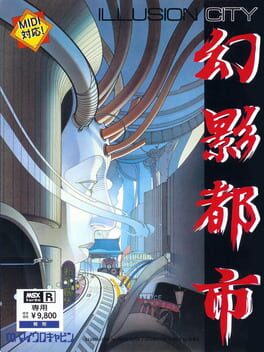
Illusion City is a Japanese-style role-playing game with several distinguishing characteristics. Unlike most games of the genre, it has no overworld, and takes place entirely in a vast city divided into several districts. The player advances the story by exploring the city, talking to non-playable characters, gathering information, receiving missions, and eventually heading into large, complex hostile areas. There are no random battles in the game; all enemies are visibly moving on the field, and many of them can be avoided. Combat is turn-based, utilizing an "over-the-shoulder" perspective similar to that of Phantasy Star II. Characters join the party as dictated by the plot; an active party includes three combatants. A wide variety of weapon and armor types can be purchased or found in dungeons. Each character has his or her own weapon proficiencies, which can be increased by repeatedly using the same weapon type. Firearms require specific ammunition (e.g. bullets, shotgun cartridges, etc.), which is expended in combat and must be re-stocked. In addition, certain characters can use offensive, supportive, and healing techniques. The game's visual style aims for realistic presentation of locations and characters, and shares more common traits with contemporary Western visual aesthetics than the traditional Japanese anime art.

Role-playing (RPG) / Adventure / Fantasy / Science fiction
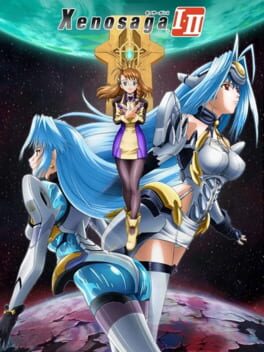
Xenosaga I & II is a combined remake and retelling of Xenosaga Episode 1 and 2 redesigned for the Nintendo DS. The story changes were handled by the creator of the series. The game changes large parts of the storyline in Episode 1 while following the elements established in the original game. This includes adding new characters and changing how some scenarios play out. Changes in Episode 2 were much larger as the main character perspective of the game was switched from Jr. to Shion to match up with Episode 1 and 3. Some characters are removed from the story or have their fates changed or revealed. Some dungeons are removed, edited, or replaced. It also answers some questions that the original did not as you follow a different path through the same overall story. It also changes the combat mechanics of Episode 2 to match Episode 1.

Role-playing (RPG) / Turn-based strategy (TBS) / Adventure / Action / Fantasy
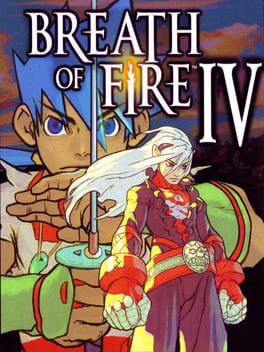
Breath of Fire IV is a single-player game that continues the story with these "dragon people," who gave their lives to eradicate the evil goddess and restore peace in their world. This time around, battle has broken out between two powerful continents, and the fair Princess Elena has disappeared during a tour of the war-torn region. The princess's sister, Nina, who reigns o'er the Windia Kingdom, vows to retrieve her missing sibling. She meets Ryu along the way, who joins the epic quest

Role-playing (RPG) / Adventure / Card & Board Game / Fantasy / Science fiction
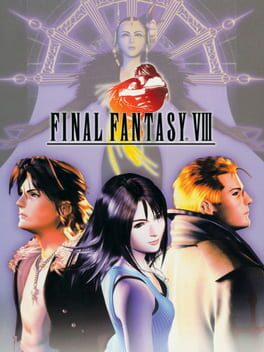
Final Fantasy VIII is the eighth main installment in the Final Fantasy series. The gameplay makes a departure from many series standards. While it still uses the Active Time Battle system, it deviates from the series' traditional means of boosting a character's power via leveling, although levels are not completely abandoned as they were in Final Fantasy II. In addition, it does not have a Magic Point-based system for spell-casting. Instead, magic is collected, drawn, and created from items, and is used to power up the characters via the junction system.