
Developed by Sonic Co. Ltd for Sega.
Role-playing (RPG) / Strategy / Turn-based strategy (TBS) / Fantasy
Shining Force Gaiden is a turn-based tactical RPG. Battles take place in square grids, and each unit occupies 1 square. Units can belong to one of two sides: allies (controlled by the player) or enemies (controlled by the computer AI). Each unit can move up to a fixed amount of squares along the battlefield, determined by its Move statistic. Depending on its location relative to enemies and to allies, a unit also has the option to attack, cast a spell, use an item, search (if adjacent to a treasure chest), or stay and do nothing, all of which end the unit's turn. Some commands, such as equipping or dropping items, don't count as actions, and the character's turn is able to continue. The order of the turns is determined by the unit's agility score and a random seed. Units can use offensive actions, such as physical attacks or offensive magic, only on units belonging to the other side and can use supportive actions, such as healing magic, stat-enhancing magic, and items, only on units belonging to the same side. This game (together with Shining Force: The Sword of Hajya) was later given a remake named Shining Force CD, released on the Sega CD. This remake also saw a western release to both North America and Europe and the full english title was "Shining Force Gaiden: Towards the Root of Evil". In 2013 the Game Gear original game got ported to the Nintendo 3DS Virtual Console (Japan only).
Role-playing (RPG) / Strategy / Turn-based strategy (TBS) / Fantasy
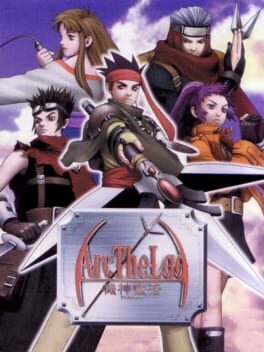
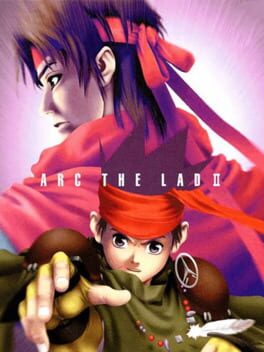
This direct sequel to "Arc the Lad" continues the unfinished story of the first game, but starts from a totally different perspective. You control a bounty-hunter named Elk, who suffers from amnesia. On his quest for his own true identity he discovers the powers hidden within him, and the destiny of his entire tribe. While pursuing his archenemy, Elk meets up with Arc, the hero of the first game, and then both realize they have been looking to destroy the very same evil. The battle system of "Arc the Lad II" is similar to the one used in its predecessor: in battles you can move your characters on the battle field, and your proximity to the enemies plays an important role. You cause and take different amounts of damage depending on your position on the battle field. Unlike the first game, this one is a full-fledged adventure/RPG, without the "strategy" feel of the predecessor. You move through the game world on your own, visiting towns and exploring dungeons.

Role-playing (RPG) / Strategy / Turn-based strategy (TBS) / Fantasy / Historical
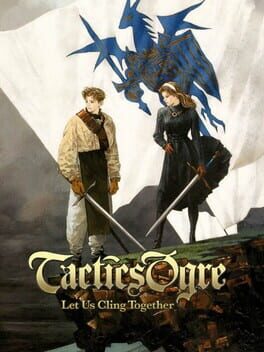
Tactics Ogre is a 3D isometric tactical role-playing game. The player starts out with a band of troops, builds a small army and fights many battles with choices to make in between, that will determine which one of the eight possible endings will be reached in a non-linear storyline. The player has the option to recruit characters, control individual equipment of each character, with over six male character classes, six female character classes, three demi-human classes, and more. It is also possible to train at safe locations to prepare the army before the next battle or storyline advancement.

Role-playing (RPG) / Strategy / Turn-based strategy (TBS) / Action / Fantasy
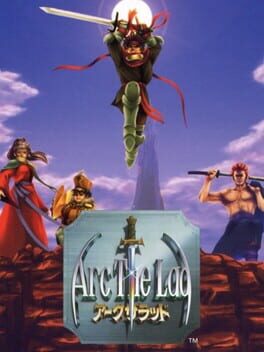
Arc the Lad is a tactical role-playing video game developed by G-Craft for the PlayStation and is the first game in the Arc the Lad series. It was released in 1995 in Japan, and released in North America on April 18, 2002, as part of Arc the Lad Collection. The Japanese released was published by SCEI, while the North American release was published by Working Designs. It was the best-selling Japanese PlayStation game of 1995 with over a million copies sold. Arc the Lad was followed by two direct sequels and many games that make up the series.

Role-playing (RPG) / Strategy / Turn-based strategy (TBS) / Fantasy
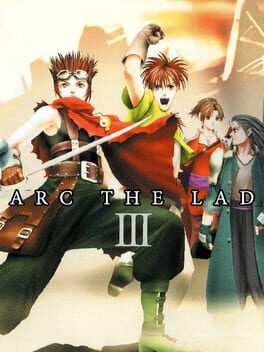
The events of this game take place several years after Elk and Arc faced their ultimate enemy in "Arc the Lad II". You control Alec, a teenager whose entire village was destroyed by an unknown evil - an event that was later called "The Great Disaster". He was saved by a mysterious Hunter. Since then, growing peacefully in a village he was brought to, which was like a new home for the survivors of the Great Disaster, Alec dreams about meeting the Hunter again, and becoming a Hunter himself. Together with his best friend Lutz he tries his luck in nearby towns, receiving small Hunter jobs, until the fate crosses the ways of the two young people with a mysterious organization called the Academy. And there their adventure really begins... The gameplay of this third installment of Arc the Lad series is very similar to that of the predecessor. You fight enemies in turn-based battles, and can move freely on the battlefield, positioning your party members the way you like. You can upgrade your weapons by forging them with special materials, and have a variety of techniques and magic spells at your disposal.

Role-playing (RPG) / Strategy / Turn-based strategy (TBS) / Fantasy / Science fiction
A spin-off story in the Arc the Lad series featuring Elc form the second game. Was only released in Japan.

Role-playing (RPG) / Strategy / Turn-based strategy (TBS) / Fantasy / Warfare
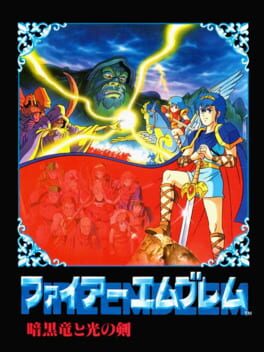
Fire Emblem: The Dark Dragon and Sword of Light is the first game in the Fire Emblem series, developed by Intelligent Systems and published by Nintendo. It was first released on the Famicom (known internationally as the Nintendo Entertainment System) on April 20, 1990. It takes place on the continent of Archanea. It stars Marth, a character who later appeared in Super Smash Bros. Melee. The first time the game was released outside of Japan was in the form of a limited edition port for Nintendo Switch, under the same name, that runs a localization script in the background, but the original version of the game was never released outside of Japan.

Role-playing (RPG) / Strategy / Turn-based strategy (TBS) / Fantasy / Warfare
"Highlights and Key Features: - Over 40 hours of gameplay and multiple endings! - Discover powerful character classes with the new Emblem System! - Cast a wide assortment of magic spells to defeat the enemy! - Go head-to-head against a friend by using the Game Boy® Advance Game Link® cable! - All new Quest Mode enables you to discover hidden items and weapons not available in the main game. - Utilize the Exchange Mode to trade items, spell books and characters with a friend. - Save up to 3 games!"

Role-playing (RPG) / Strategy / Turn-based strategy (TBS) / Action / Historical
Senjou no Valkyria 3: Unrecorded Chronicles, usually referred to as Valkyria Chronicles III, is a tactical role-playing game developed and published by Sega for the PlayStation Portable. It is the third game in the Valkyria Chronicles series and was released on January 27, 2011 exclusively in Japan. An expanded version of the game, subtitled Extra Edition was released in Japan on November 23, 2011. The game features an opening song Moshimo Kimi ga Negau no nara sung by Japanese singer May'n. Occurring in the same time frame as the first game, Valkyria Chronicles III is a side story that follows the exploits of an unwanted and castigated Gallian Army squad during the Imperial invasion of 1935.[3] Contrasting the previous games' bright outlook and recognition for their protagonists, Valkyria Chronicles III explores the themes of being outcast and the search for redemption. As described by its catchphrase, the game tells "The tale of nameless soldiers who, on the verge of despair, changed history." The game was the first in the series to not officially be translated into English by Sega. However, an unofficial fan translation for the Extra Edition was eventually released in December 2013. Included VC3 DLCs: - Kurt Irving's First Mission - No.1 is Restless - Penalty Mission - The Barricaded Harbour - The Secret of Her Powers