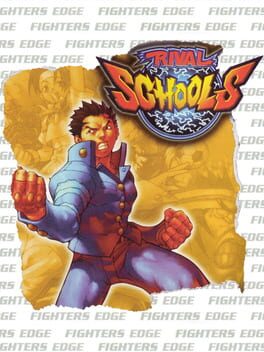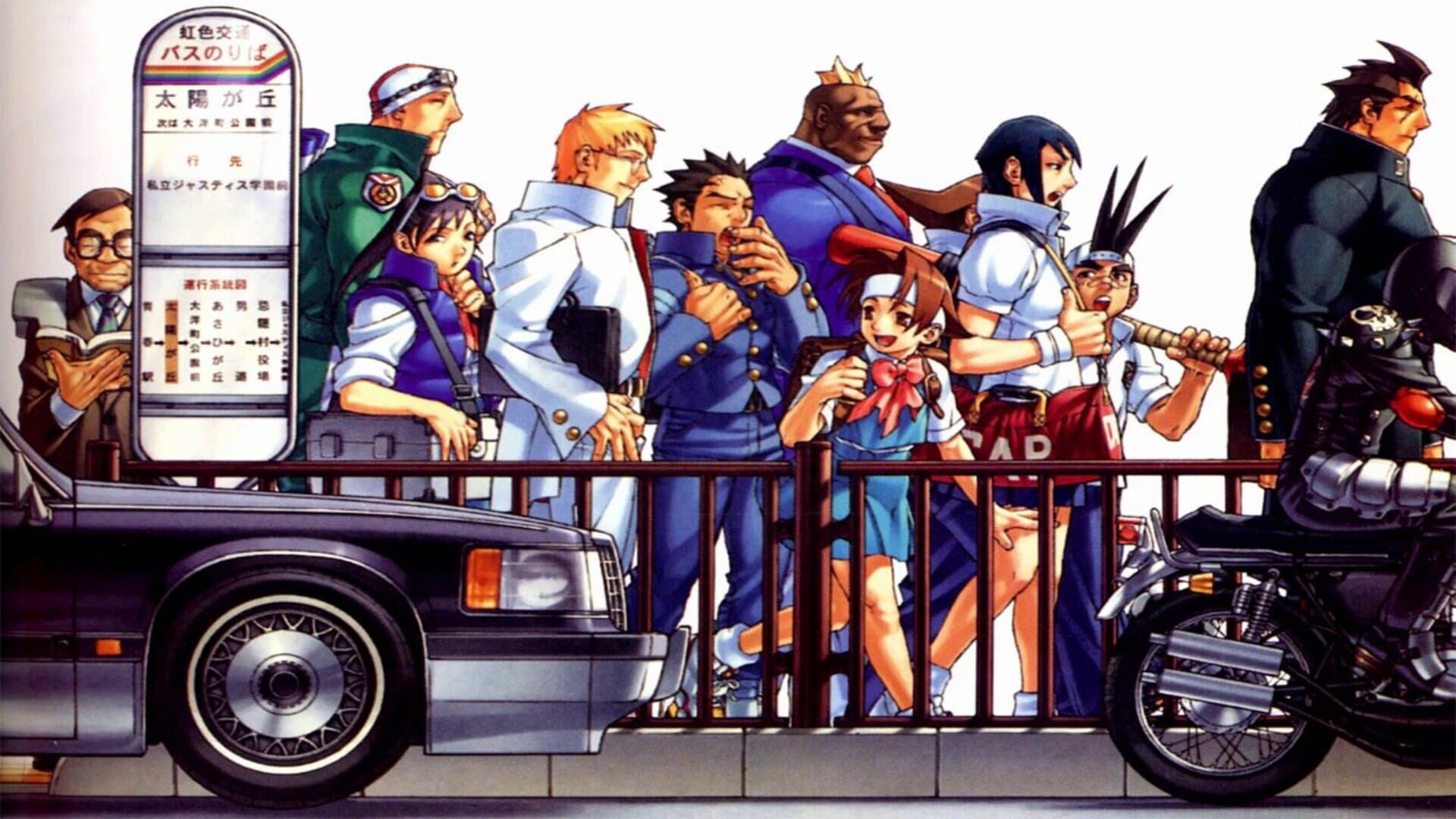
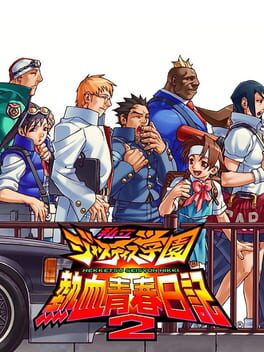

This is a PlayStation-exclusive update to the original Rival Schools. It features two additional characters, Ran of Taiyo High School and Nagare of Gorin High School, as well a new version of the Nekketsu Seisyun Nikki school sim mode, which feature additional mini games and further plot developments over the original Japanese version of Shiritsu Justice Gakuen.
The story introduces the player to a Japanese city called Aoharu City, where several local schools are the victims of unknown attacks and kidnappings of students and staff. The various characters in the game set out to find who is responsible for the attacks on their school, with the cut-scenes and fights portraying their interactions with the other schools and among themselves. Eventually, the story reveals that an elite school in the city, Justice High, is responsible for the attacks. The player's team eventually faces off against Raizo Imawano, the principal of the school, and first boss of the game. If certain requirements are met during the fight against Raizo, the story continues and the players play a last fight against Hyo Imawano, Raizo's nephew and the true mastermind behind the events of the game. The structure of the single player game of Rival Schools varied depending on how characters were selected. If two characters from the same school were selected (with a few exceptions), single-player would play in a progressing story with fights predetermined beforehand and each fight preceding and ending with short 2D cut-scenes to explain the story. If two characters from different schools were chosen, the single-player mode would instead play similar to other fighting games, with the player's chosen team fighting against random teams of opponents before facing the boss. In the arcade, character selection was initially limited to selecting two characters from the same school and free selection of any character was accessed through time; the PlayStation versions, which included all characters unlocked by default, had no such restrictions.
Fighting / Arcade / Action / Fantasy
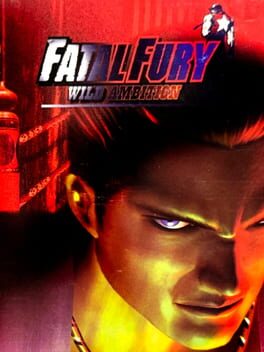
PS1 port of "Fatal Fury: Wild Ambition" It was ported to the Sony PlayStation on June 24 in Japan and November 30 in North America, making it the only Hyper Neo Geo 64 game to receive a port for a home system. The game was re-released as a downloadable game for PlayStation 3 and PlayStation Portable via the PlayStation Network in Japan on April 25, 2007.

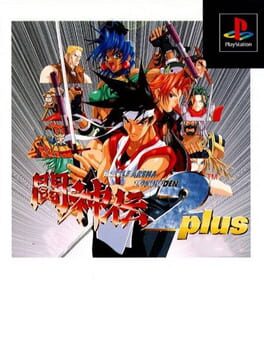
Battle Arena Toshinden 2 Plus is a version of Toshinden 2 released only in Japan for the PlayStation on The Best range (equivalent to the Greatest Hits and Platinum ranges in North America and Europe). It features enhanced graphics, improved control and tweaked CPU AI. It also makes some balancing tweaks to the characters' attacks. An option to save results, option settings and unlocked characters to a memory card was also added.

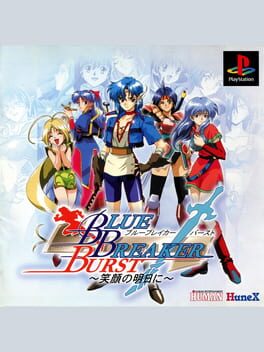
Egao no Asu ni is the third and final title in the Blue Breaker series, and is a direct sequel to Hohoemi o Anata to. The game is once again a full-3D fighting game, and the story picks up directly after the previous title, with Chimena still searching for the holy sword. There are also once again several new side stories featuring other characters. There are several new playable characters in this release, as well as a brand new Team Battle mode, which allows each player to select three characters to use in order. There is also an optional prologue that recaps the story of the previous title.

The main fighting game is best described as a polygonal Marvel vs. Capcom game, with some notable differences. Control wise, the game varies from other Capcom fighting games by only having four buttons (two punches and two kicks, which is closer to the SNK game format) rather than the standard six. A player chooses a team of two characters, and fights against another two character team. The actual fights, however, are one-on-one fights, with the partner only participating by being called in when a player has enough 'vigor' for a Team Up attack, done by pressing a punch and kick button of the same pressure. The Team Ups would be some kind of double team attack by the character and partner, or (for most female characters' Team Ups) would heal the main character or give them more vigor. After the end of a round, a player (win or lose) has a choice to fight the next round with the partner from the previous round, or to keep their main character in play. The 'vigor' meter (essentially a super meter) could go up to 9 levels, with Team Ups costing two levels and super moves from a single person all costing one level of vigor. Much like the Marvel vs. Capcom games, launchers can be done that allow air combos to be performed, with all characters having universal low and high launchers. The game also had a few defensive techniques. Tardy Counters acted much like Alpha Counters from Street Fighter Alpha, allowing a player to immediately counter-attack from a blocking position. However, the restrictions on Tardy Counters are very lax; any hard normal, special or super attack can be used to Tardy counter (Alpha counters are only limited to certain special moves for each character), and Tardy Counters do not cost any extra vigor to perform (Alpha Counters required at least a level of Super Combo gauge to do). Attack Cancels allowed a player to cancel an incoming hit simply by timing their own hit with the attack, which would cancel out both attacks (though it does not nullify the remaining hits of a multi-hit move). Also, one additional level of vigor is awarded.

Fighting / Role-playing (RPG) / Hack and slash/Beat 'em up / Action / Fantasy
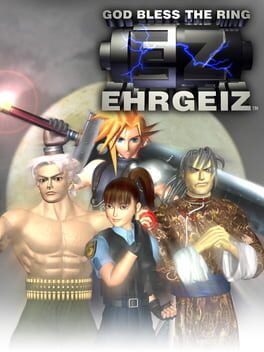
Ehrgeiz is a 3D fighting game that features some characters from Final Fantasy VII. Cloud Strife and Tifa Lockhart are playable in the arcade and the PlayStation versions, and Sephiroth, Yuffie Kisaragi, Vincent Valentine and Zack Fair were added to the PlayStation version's roster. Ehrgeiz differs from most 3D fighting games by drawing heavily from the concepts of wrestling games and Dream Factory's own Tobal series, which allow for full 360-degree movement and do not require fighters to be facing each other at all times.

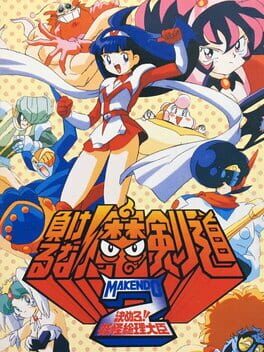
Makenko used to be a normal boy—until he was kidnapped by the brain monster Dr. Mud and transformed into a cyborg capable of destroying both the monster and human worlds! On his quest for vengeance, he is inadvertently joined by Makendo, a fellow monster hunter who would prefer not to be, and her little sister Hikari who would like nothing better! Dastardly demons and wacky monsters abound as the trio fight the bad guys to kick some monster butt, and get Makenko's body back!

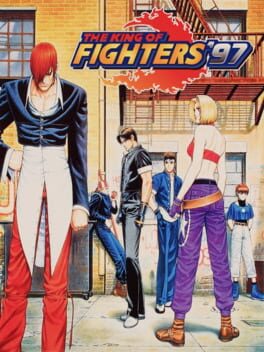
The King of Fighters '97 is a 1997 fighting game produced by SNK for the Neo Geo arcade and home console. It is the fourth game in The King of Fighters series. It was ported to the Neo-Geo CD, as well as the PlayStation and the Sega Saturn in Japan only.