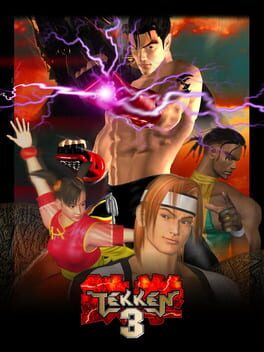
Tekken 3 is the third installment in the Tekken series. It maintains the same core fighting system as its predecessors but brings many improvements, such as significantly more detailed graphics and animations, fifteen new characters added to the game's roster, more modern music and faster gameplay.
Super Street Fighter II Turbo, released in Japan as Super Street Fighter II X: Grand Master Challenge, is a competitive fighting game released for the arcades by Capcom in 1994. It is the fifth installment in the Street Fighter II sub-series of Street Fighter games, following Super Street Fighter II: The New Challengers. Like its predecessor, it ran on the CP System II hardware. Super Turbo introduced several new gameplay mechanics not present in previous versions of Street Fighter II, including the addition of Super Combos and air combos. It also introduced the secret character Akuma, who would go on to become a recurring character in later Street Fighter installments and other Capcom fighting games. Super Turbo was originally ported to the 3DO Interactive Multiplayer, followed by the PlayStation and Sega Saturn (under the title of Super Street Fighter II Turbo: The Ultimate Championship) as part of the Street Fighter Collection, and for the Dreamcast in Japan under the title of Super Street Fighter II X for Matching Service. A remake of the game was released for the PlayStation 3 and Xbox 360 titled Super Street Fighter II Turbo HD Remix.
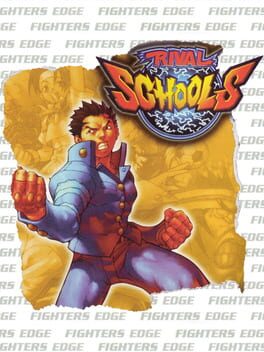
The main fighting game is best described as a polygonal Marvel vs. Capcom game, with some notable differences. Control wise, the game varies from other Capcom fighting games by only having four buttons (two punches and two kicks, which is closer to the SNK game format) rather than the standard six. A player chooses a team of two characters, and fights against another two character team. The actual fights, however, are one-on-one fights, with the partner only participating by being called in when a player has enough 'vigor' for a Team Up attack, done by pressing a punch and kick button of the same pressure. The Team Ups would be some kind of double team attack by the character and partner, or (for most female characters' Team Ups) would heal the main character or give them more vigor. After the end of a round, a player (win or lose) has a choice to fight the next round with the partner from the previous round, or to keep their main character in play. The 'vigor' meter (essentially a super meter) could go up to 9 levels, with Team Ups costing two levels and super moves from a single person all costing one level of vigor. Much like the Marvel vs. Capcom games, launchers can be done that allow air combos to be performed, with all characters having universal low and high launchers. The game also had a few defensive techniques. Tardy Counters acted much like Alpha Counters from Street Fighter Alpha, allowing a player to immediately counter-attack from a blocking position. However, the restrictions on Tardy Counters are very lax; any hard normal, special or super attack can be used to Tardy counter (Alpha counters are only limited to certain special moves for each character), and Tardy Counters do not cost any extra vigor to perform (Alpha Counters required at least a level of Super Combo gauge to do). Attack Cancels allowed a player to cancel an incoming hit simply by timing their own hit with the attack, which would cancel out both attacks (though it does not nullify the remaining hits of a multi-hit move). Also, one additional level of vigor is awarded.
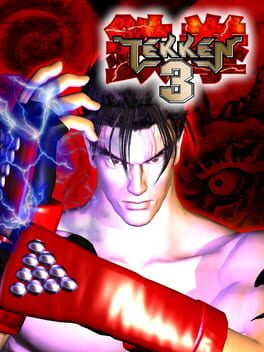
Fighting / Hack and slash/Beat 'em up / Arcade / Action
The console version of Tekken 3, which adds more content to the original arcade game, such as new characters and additional game modes. With hidden features, faster gameplay, and new characters, the PlayStation version of Tekken 3 seeks to give you the fight of your life.
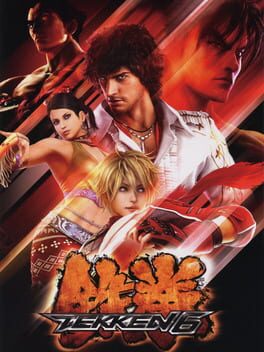
Tekken 6 is a fighting game developed and published by Bandai Namco Games. It is the seventh main installment in the Tekken franchise. It was released in Japanese arcades on November 26, 2007 as the first game running on the PlayStation 3-based System 357 arcade board. The game received an update, subtitled Bloodline Rebellion, a year later.
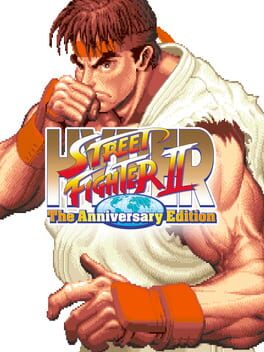
Hyper Street Fighter II: The Anniversary Edition is a modified port of Super Street Fighter II Turbo in which players can control any versions of the main characters from the five Street Fighter II games previously released for the arcades.
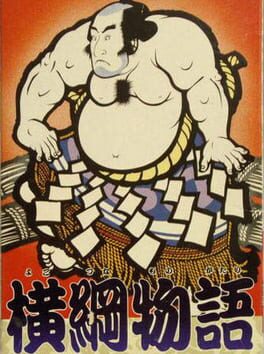
Yokozuna Monogatari is a Sports game, published by KSS, which was released in Japan in 1994. Yokozuna Monogatari is a sumo game for the Super Famicom. It focuses on management aspects, training sumo wrestlers and setting up bouts to improve their ranking. Earning money from sumo matches allows the player to hire stronger wrestlers, who naturally ask for more money to be recruited. The goal is to train a sumo wrestler to Yokozuna ("Grand Champion") level.
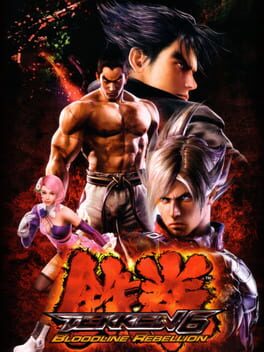
Tekken 6: Bloodline Rebellion is an update to Tekken 6. It features new characters, stages, items and customization options. It also gives the game a balance update from characters and items. It was released to Japanese arcades on December 18, 2008, and the console version of Tekken 6 is based on this arcade version. This new version features two new characters: Alisa Bosconovitch, an android with jet wings and spinning limbs who was built in the image of Dr. Bosconovitch's deceased daughter, and Lars Alexandersson, an unknown descendant of Heihachi Mishima and leader of a rebellious Tekken Force faction fighting Jin's tyranny. A number of new items and customization options are featured in this expansion. The game also features all-new CG character art, just as there was a change in art from Tekken 5 to Tekken 5: Dark Resurrection. Upgrade kits were also available for owners of original Tekken 6 machines.