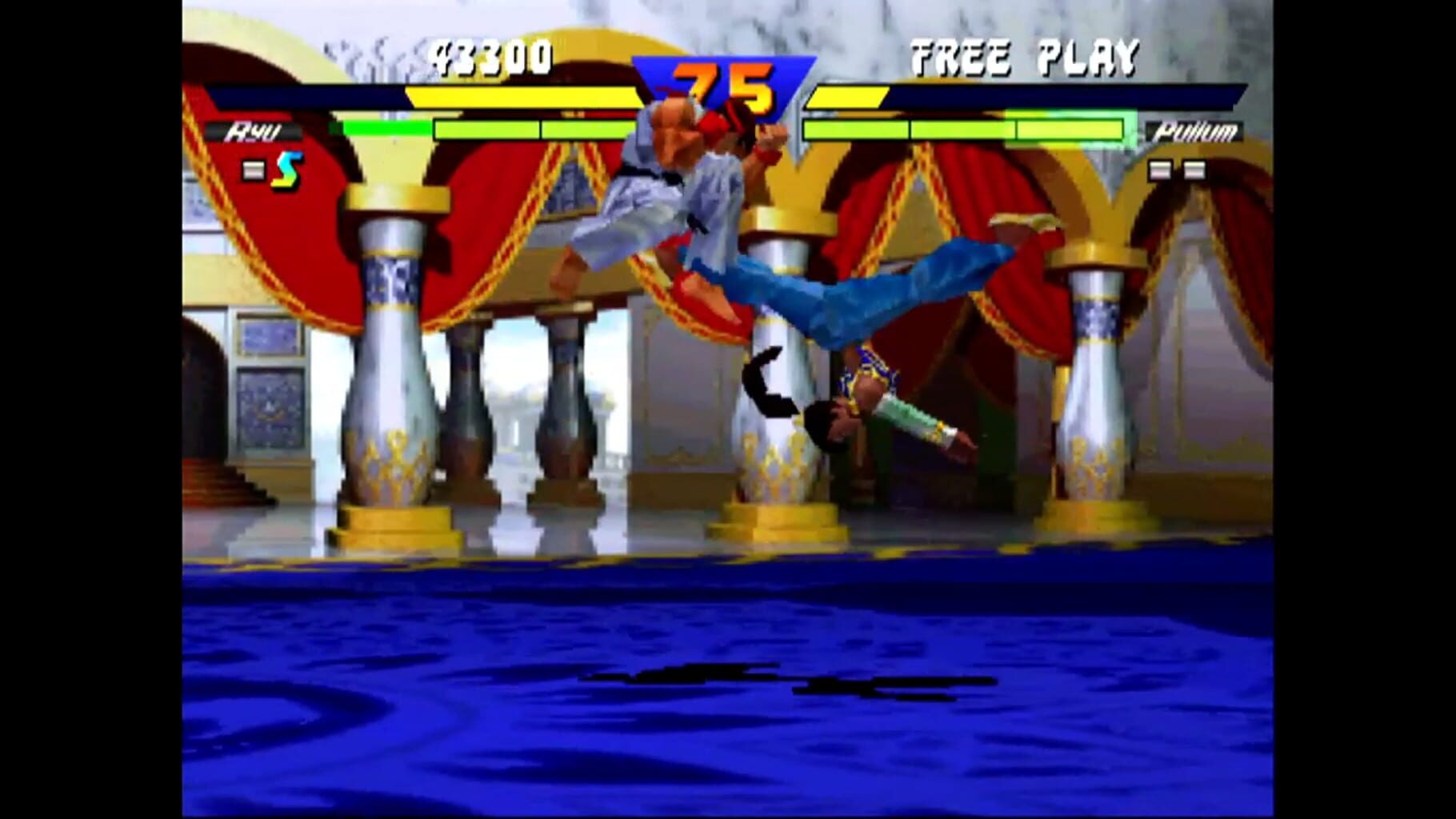
The Street Fighter EX fighting system uses fighting systems of the Street Fighter II and Street Fighter Alpha series. In many ways, EX still plays like a 2D fighting game, but the linear plane in which characters fight often changes along a 3D battleground. The game uses special moves and super combos familiar or similar to previous games in the series. Like in Alpha and Darkstalkers, the super combo gauge, used to do Super Combos and other moves, was divided into three levels. The game introduces various new features to enhance the player's combat choices. It was followed by an updated arcade version titled Street Fighter EX Plus, as well as a PlayStation-exclusive home console version titled Street Fighter EX Plus α, both released in 1997.

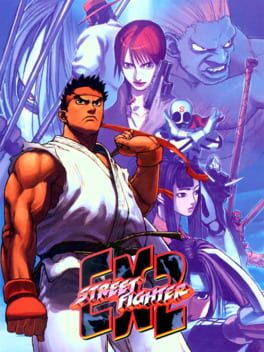
The original version of Street Fighter EX2 retains all the features from the previous game, Street Fighter EX Plus, including original features such as "Guard Breaks" (unique moves which cannot be blocked by an opponent) and "Super Canceling" (the ability to cancel a Super Combo into another Super Combo). The primary new feature in the game are "Excel Combos", ("excel" being abbreviation for "extra cancel"). Much like the "Custom Combos" featured in the Street Fighter Alpha series, Excel Combos allows player to connect a series of basic and special moves for a limited time. During an Excel Combo, the player begins with a basic move and can follow up with a different basic move or follow-up a basic move with a special move, which can be followed by a different special move. However, the player cannot connect any move with the same move, nor can they cancel special moves into basic moves during an Excel Combo.

Fighting / Adventure / Arcade / Action
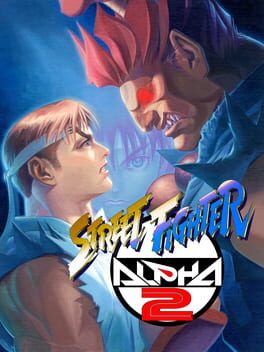
Street Fighter Alpha 2 is both a sequel and a remake to the previous year's Street Fighter Alpha: Warriors' Dreams. The game features a number of improvements over the original, such as new attacks, stages, endings, and gameplay features. New characters in this version include Gen, Rolento and Sakura. Dhalsim and Zangief also return to the fight with some new moves.

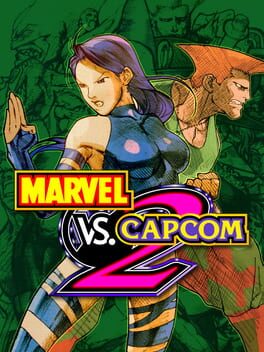
Marvel vs. Capcom 2: New Age of Heroes is the fourth game in the Marvel vs. Capcom series of fighting games. The player's controls were simplified to make the gameplay more accessible to the wider audience of casual players and the button configuration was trimmed down to 4 main buttons and 2 assist buttons. The game also features a different air-combo system and 3 on 3 tag, compared to the 2 on 2 tag from previous games in the series.

Super Street Fighter II Turbo, released in Japan as Super Street Fighter II X: Grand Master Challenge, is a competitive fighting game released for the arcades by Capcom in 1994. It is the fifth installment in the Street Fighter II sub-series of Street Fighter games, following Super Street Fighter II: The New Challengers. Like its predecessor, it ran on the CP System II hardware. Super Turbo introduced several new gameplay mechanics not present in previous versions of Street Fighter II, including the addition of Super Combos and air combos. It also introduced the secret character Akuma, who would go on to become a recurring character in later Street Fighter installments and other Capcom fighting games. Super Turbo was originally ported to the 3DO Interactive Multiplayer, followed by the PlayStation and Sega Saturn (under the title of Super Street Fighter II Turbo: The Ultimate Championship) as part of the Street Fighter Collection, and for the Dreamcast in Japan under the title of Super Street Fighter II X for Matching Service. A remake of the game was released for the PlayStation 3 and Xbox 360 titled Super Street Fighter II Turbo HD Remix.

The main fighting game is best described as a polygonal Marvel vs. Capcom game, with some notable differences. Control wise, the game varies from other Capcom fighting games by only having four buttons (two punches and two kicks, which is closer to the SNK game format) rather than the standard six. A player chooses a team of two characters, and fights against another two character team. The actual fights, however, are one-on-one fights, with the partner only participating by being called in when a player has enough 'vigor' for a Team Up attack, done by pressing a punch and kick button of the same pressure. The Team Ups would be some kind of double team attack by the character and partner, or (for most female characters' Team Ups) would heal the main character or give them more vigor. After the end of a round, a player (win or lose) has a choice to fight the next round with the partner from the previous round, or to keep their main character in play. The 'vigor' meter (essentially a super meter) could go up to 9 levels, with Team Ups costing two levels and super moves from a single person all costing one level of vigor. Much like the Marvel vs. Capcom games, launchers can be done that allow air combos to be performed, with all characters having universal low and high launchers. The game also had a few defensive techniques. Tardy Counters acted much like Alpha Counters from Street Fighter Alpha, allowing a player to immediately counter-attack from a blocking position. However, the restrictions on Tardy Counters are very lax; any hard normal, special or super attack can be used to Tardy counter (Alpha counters are only limited to certain special moves for each character), and Tardy Counters do not cost any extra vigor to perform (Alpha Counters required at least a level of Super Combo gauge to do). Attack Cancels allowed a player to cancel an incoming hit simply by timing their own hit with the attack, which would cancel out both attacks (though it does not nullify the remaining hits of a multi-hit move). Also, one additional level of vigor is awarded.
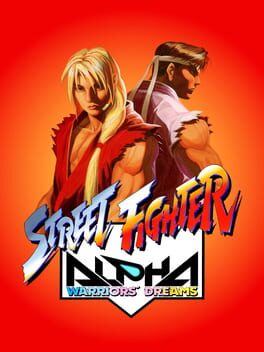
Street Fighter Alpha: Warriors' Dreams was the first all new Street Fighter game produced by Capcom since the release of Street Fighter II. It introduces several new features, expanding on the Super Combo system previously featured in Super Street Fighter II Turbo with graphics drawn in the same animated style Capcom employed in Darkstalkers. Street Fighter Alpha revamps the Super Combo system introduced in Super Street Fighter II Turbo by adding a three-level Super Combo gauge that fills in as the player performs regular and special moves.

The King of Fighters '95 is a 1995 fighting game produced by SNK for the Neo Geo arcade and home console. It is the sequel to The King of Fighters '94 and the second game in The King of Fighters series. It is also the first game in the series to be ported to other home consoles besides the Neo Geo AES and Neo-Geo CD, with versions released for the PlayStation, Sega Saturn and Game Boy. It was also rereleased in The King of Fighters Collection: The Orochi Saga in 2008 for the PlayStation 2, PlayStation Portable and Wii. The King of Fighters '95 introduces Kyo Kusanagi's rival Iori Yagami, and firmly places Kyo as the main character for the rest of the series. The gameplay of The King of Fighters '95 is essentially unchanged from the previous title, though it does introduce the "team edit" concept which would remain as a standard feature of the series. Using the "team edit" feature, it is possible to create a totally customized team using any of the available fighters, or use one of the default teams if you wish.

The second installment in the AoF series added the "rage gauge"; similar to the "spirit system" of its predecessor, it limited the use and effectiveness of special attacks. The game's story is set a year after the original. Geese Howard, a rising star in South Town's criminal underworld, calls fighters to the city for a new tournament, "The King of Fighters." Howard was the final boss and series villain of SNK's other fighting game franchise Fatal Fury (though he is a secret boss in this game), whose story took place over a decade after the events of Art of Fighting. Art of Fighting 2 was the only time Yuri Sakazaki was a playable character in the series. It also marked the only time that she donned her trademark outfit, which was made famous in The King of Fighters series. This game also marks the debut of Takuma Sakazaki without his Mr. Karate persona, as well as Eiji Kisaragi, who both appear in the King of Fighters series. Ryuhaku Todo, the first boss in the original AOF, is the only character dropped; all characters are playable from the beginning. The final boss is always Mr. Big, though as mentioned earlier, an extra match will be played against Geese Howard if the player unlocks him through good performance. This game is also notorious for its difficulty, with it being referred in many fighting circles as having some of the toughest opponent AI in a fighting game.