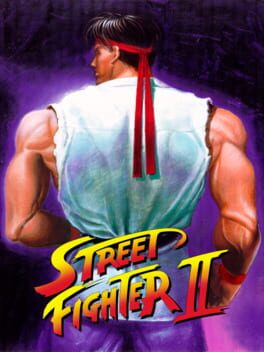
A sequel to Street Fighter, Street Fighter II improved upon the many concepts introduced in the first game, including the use of command-based special moves and a six-button configuration, while offering players a selection of multiple playable characters, each with their own unique fighting style and special moves. Street Fighter II is credited with starting the fighting game boom during the 1990s. Its success led to the production of several updated versions, each offering additional features and characters over previous versions, as well as many home versions. Some home versions of the Street Fighter II games have sold millions of copies, with the SNES port of the first Street Fighter II being Capcom's best-selling consumer game of all time as of 2008. Street Fighter II follows several of the conventions and rules already established by its original 1987 predecessor. The player engages opponents in one-on-one, close-quarters combat in a series of best-of-two-out-of-three matches. The objective of each round is to deplete the opponent's vitality before the timer runs out. If both opponents knock each other out at the same time or the timer runs out with both fighters having an equal amount of vitality left, a "double KO" or "draw game" is declared. Additional rounds will be played until sudden death. In the first Street Fighter II, a match could last up to 10 rounds if there was no clear winner; this was reduced to 4 rounds in the Champion Edition and onward. If there is no clear winner by the end of the final round, then either the computer-controlled opponent will win by default in a single-player match, or both fighters will lose in a 2-player match. After every third match in single-player mode, the player will participate in a "bonus game" for additional points. The bonus games include (in order) a car-breaking event; a barrel-breaking bonus game where the barrels are dropped off from a conveyor belt above the player; and a drum-breaking bonus game where drums are flammable and piled over each other. The bonus games were removed from the arcade version of Super Street Fighter II Turbo. As in the original, the game's controls use an eight-directional joystick and six attack buttons. The player uses the joystick to jump, crouch, move the character towards or away from the opponent, and guard against the opponent's attacks. There are three punch buttons and three kick buttons, each with varying strength and speed (Light, Medium, and Heavy). The player can perform a variety of basic moves in any position, including grabbing/throwing attacks, which were not featured in the original Street Fighter. Like in the original, the player can perform special moves by inputting a combination of directional and button-based commands. Street Fighter II differs from the original in that it features multiple playable characters, each with distinct fighting styles and special moves. Additionally, the player can "cancel" an animation by performing another move, enabling combinations of basic and special moves. Both of these features would be expanded upon in subsequent installments.
Platform / Puzzle / Indie / Action
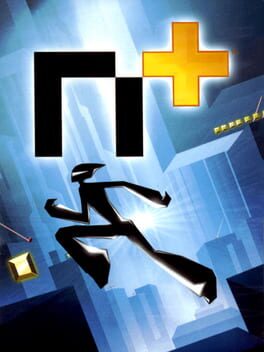
N+ is a port of the original Adobe Flash based PC game, N, to console and handheld systems with new features. "N+ is a peerless action-puzzle platformer with more than 300 levels in which to hone your ninja reflexes, plus a built-in level editor for when you're hungry for more. N+ also features unique, physics-based controls, stylish graphics, unlimited lives, competitive and cooperative multiplayer, plenty of gold, and several flavors of sweet, sweet action." "N+ features N doesn't have: -Redesigned graphics and visual effects: a more detailed version of N's in-your-face minimalist style -New objects and enemies: Pulse Drone, Laser Turret and Zap Doors -Background music and next-gen 5.1 surround sound -Way over 400 all-new levels -3 pants-wettingly good modes of multiplayer: Co-op, Race and Survival"
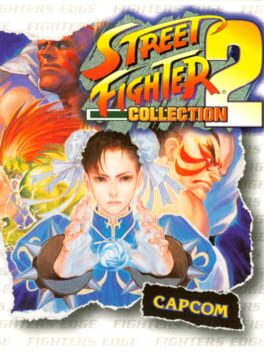
Fighting / Strategy / Quiz/Trivia
The game credited with spawning a one-on-one fighting craze in the arcades makes its PlayStation debut, along with two popular updates, in this three-game compilation from Capcom. Included on the disc are the following titles: Street Fighter II: The World Warrior, Street Fighter II: Champion Edition, and Street Fighter II Turbo: Hyper Fighting. World Warrior has you choosing one of eight characters, from Ryu and Guile to Blanka and Chun-Li, while challenging rival fighters in exotic locales across the globe. With the included revisions to the core Street Fighter II engine, you'll be able to play as the original game's four bosses and master new airborne special attacks while battling at higher speeds. The PlayStation version also supports analog controls with vibration feedback. A memory card is required to save high scores and settings.
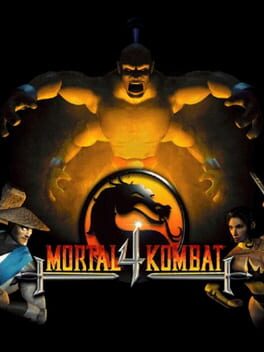
Mortal Kombat 4 is 1 vs 1 fighting game, similar to the other Mortal Kombat games, but this is first game in series with 3D characters models. The player can choose from 15 different fighters at the start (and several unlockables later on). Many fighters from earlier games in the series make a comeback (like Scorpion, Sub Zero, Liu Kang, Sonya Blade, Johnny Cage etc.) while other new fighters join in, like Shinook (who is the main evil character in this game), Fujin, Jarek, and Kai. Goro returns as a boss.
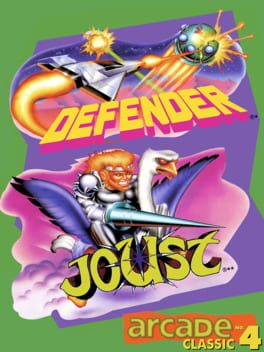
A compilation and port of the classic arcade titles. The games can also be played on the Super Game Boy Peripheral and has altered graphics from the original versions. It does not feature the ability to use the Link Cable, but does have an option for two friends to take turns for each game.
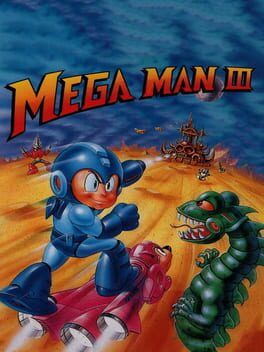
Shooter / Platform / Action / Science fiction
Mega Man III is an action-platform video game by Capcom for the Nintendo Game Boy. It is the third game in the handheld version of the Mega Man series. The game follows the title character Mega Man as he fights the evil Dr. Wily, whose latest attempt to conquer the world involves sucking energy from the Earth's core to power a new machine. Along with foes from his past, Mega Man must contend with the next robot in Wily's line of "Mega Man Killers", Punk. Like its two consecutive predecessors on the Game Boy, the game combines elements from two previously released Nintendo Entertainment System (NES) titles: Mega Man 3 and Mega Man 4. In 2013, Mega Man III was made available on the Virtual Console of Japan's Nintendo eShop for the Nintendo 3DS. It was later released in the North American and PAL region eShops the following year.
This compilation combines the Game Boy versions of: - Mortal Kombat - Mortal Kombat II
Fighting / Hack and slash/Beat 'em up / Action
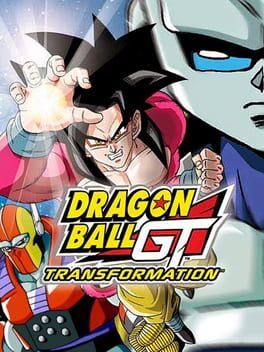
Dragon Ball GT: Transformation is a Game Boy Advance action game based on the Japanese cartoon Dragon Ball GT. Transformation follows the Dragon Ball GT storyline from the Child Goku Saga to the Baby Saga. You can create three-man teams from seven playable characters--such as Goku, Trunks, and Uub--and choose who you control in the middle of a battle.