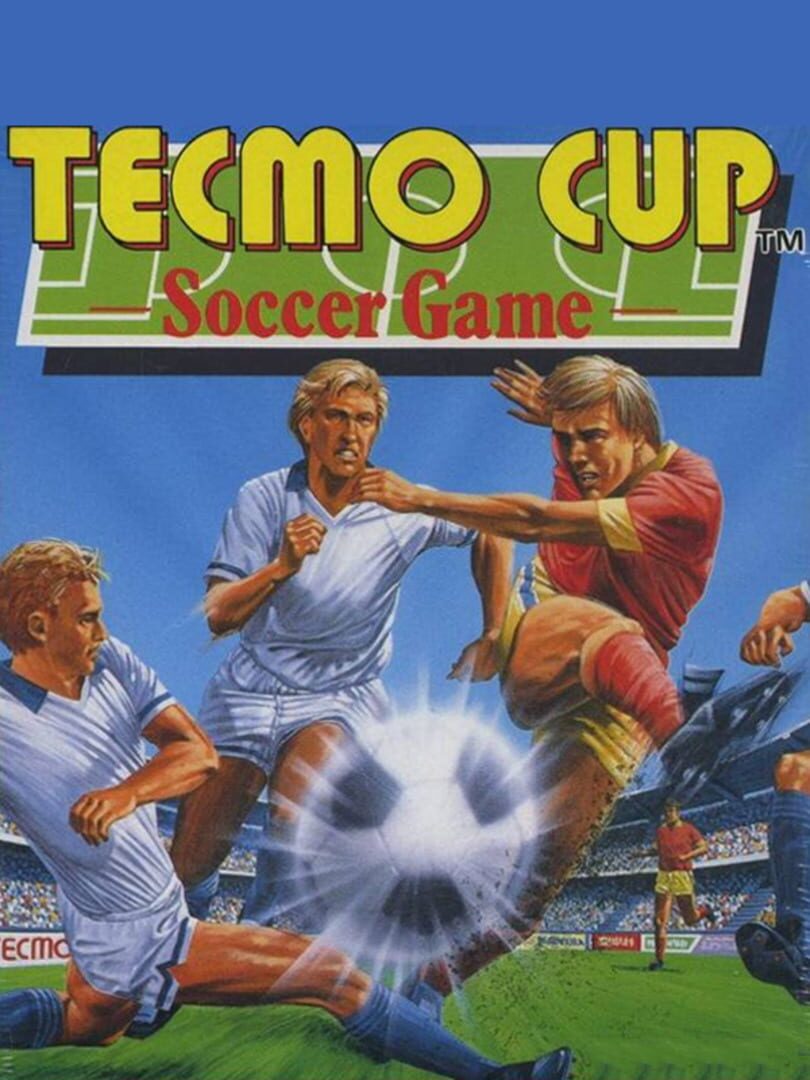
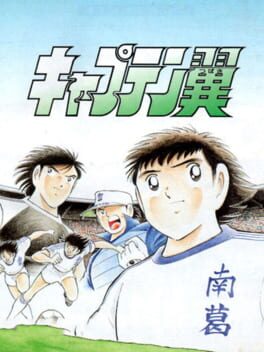
Tecmo Cup is a soccer simulator combined with RPG elements. As the game progress, Robin and his teammates will get better. The matches themselves consist of numerous choices what to do at each moment. If you are attacking, you have options to pass, shoot or to dribble. And when you are defending, you can either tackle, cut pass/shoot, or mark the opposition player with ball. The game is a port and rebranding of the Famicom game Captain Tsubasa.

Role-playing (RPG) / Sport / Strategy
Captain Tsubasa Vol. II: Super Striker is the second game in the titular franchise, a role-playing take on the sport of soccer.

Role-playing (RPG) / Sport / Fantasy / Historical
Dragon Quest VI did not receive an enhanced remake on a console until the Nintendo DS. The Dragon Quest VI enhanced remake for the Nintendo DS was announced in late 2007 by Square Enix and was developed by ArtePiazza. A handful of changes were made to the game, some remaining controversial among fans.

Role-playing (RPG) / Sport / Action
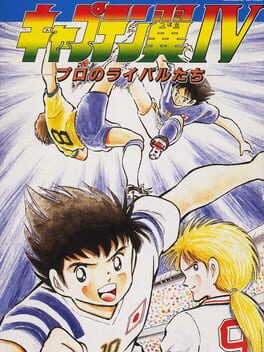
Captain Tsubasa 4: Pro no Rival-tachi is the fourth sequel of the original Captain Tsubasa videogame series by Tecmo. It's a direct sequel of Captain Tsubasa 3: Koutei no Chousen and released exclusively in Japan for Nintendo's Super Famicom on April 3, 1993.

Role-playing (RPG) / Sport / Strategy / Action
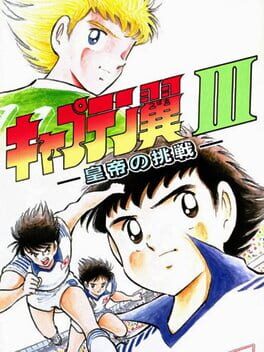
The first Captain Tsubasa game released on the Super Famicom. Captain Tsubasa III: Koutei no Chousen ("Kaiser's Challenge") is a soccer RPG based on the Captain Tsubasa manga and anime. It is the third game in the series, and the first for the Super Nintendo. As was the case with its forebears, Koutei no Chousen uses a semi-turn-based RPG format in which the player selects commands dependent on whether or not they have possession of the ball. The game follows the story of the manga to some extent. Besides the obvious graphical upgrade moving from 8-bit to 16-bit, Koutei no Chousen now allows the player to see a map of the pitch to help them strategize.

Role-playing (RPG) / Simulator / Sport
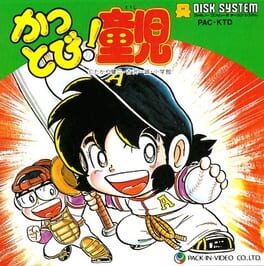
A baseball RPG/sim in which baseball games are played via cards in a turn-based system. It was released by Pack-In-Video in Japan exclusively.

Role-playing (RPG) / Simulator / Sport
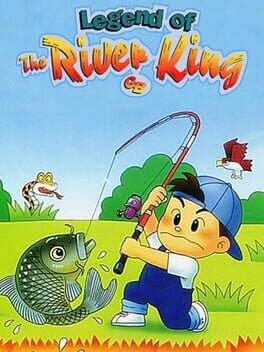
You'll need all your angling and survival skills to succeed in this unique fishing RPG. On a perilous quest to capture a mysterious and mystical fish, you'll deploy a variety of tackle in both quiet lakes and raging rapids. Along the shores, dangerous animals are a constant threat. To get supplies, you'll sell some of your catch at village markets. You can also try your hand at raising a pet fish from embryo to adult and watch as it grows and even changes species!

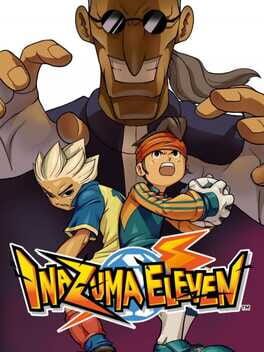
Mark Evans is a very talented goalkeeper and the grandson of one of the strongest goalkeepers in Japan, who supposedly died before Mark was born. Even though his skills and enthusiasm are incredible, his school lacks a real soccer club, as the six other members don't appear very interested even in training. One day, when a mysterious forward named Axel Blaze moves to Mark's town, the young goalkeeper sets out to find and recruit members for his soccer team. There are nearly 1000 playable characters with varying skills that will determine the success of the team. As you play through the story, Mark can recruit various characters on the team and help achieve his ultimate goal of competing!

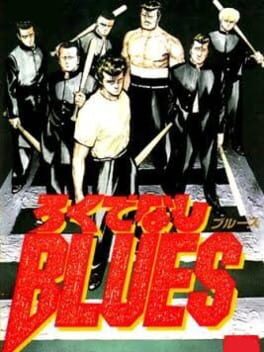
An RPG brawler released for the Family Computer and Super Famicom based on the anime and manga of the same name. Both were developed by TOSE and published by Bandai. Rokudenashi Blues ("Good-for-Nothing Blues") is a RPG brawler based on the manga of the same name, which also saw two anime movie adaptations close to its release. The player character, Taison Maeda, is a delinquent student who is training to be a professional boxer. He has a reputation as a powerful fighter among delinquent gangs as a result, though despite being violent he has a code of honor. The Famicom and Super Famicom versions of the game are subtly different due to console differences, but both share their genre, developer and publisher. The Famicom game was released in October 1993, with the Super Famicom version following in April 1994. Characters from this game have appeared in Jump crossover games, specifically Famicom Jump II and Jump Ultimate Stars.