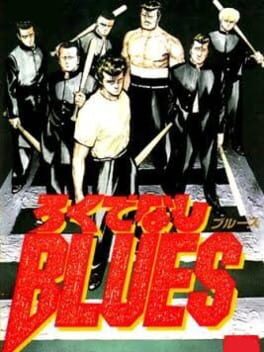
An RPG brawler released for the Family Computer and Super Famicom based on the anime and manga of the same name. Both were developed by TOSE and published by Bandai. Rokudenashi Blues ("Good-for-Nothing Blues") is a RPG brawler based on the manga of the same name, which also saw two anime movie adaptations close to its release. The player character, Taison Maeda, is a delinquent student who is training to be a professional boxer. He has a reputation as a powerful fighter among delinquent gangs as a result, though despite being violent he has a code of honor. The Famicom and Super Famicom versions of the game are subtly different due to console differences, but both share their genre, developer and publisher. The Famicom game was released in October 1993, with the Super Famicom version following in April 1994. Characters from this game have appeared in Jump crossover games, specifically Famicom Jump II and Jump Ultimate Stars.

Role-playing (RPG) / Fantasy / Horror
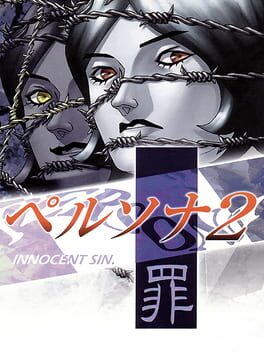
Persona 2: Innocent Sin is a Japanese role-playing video game developed and released by Atlus It is the second entry in the Persona series and acts as a sequel to the original Persona. The original version was not localized for western territories, but the PSP version was released in North America and Europe under the title Shin Megami Tensei: Persona 2: Innocent Sin. Innocent Sin takes place in the fictional Sumaru City, focusing on a group of high school students from Seven Sisters High School. The main protagonist, Tatsuya Suou, and a group of friends must confront a villainous figure called the Joker, who is causing the spread of reality-warping rumors through the city. The group are aided in their quest by their Personas, personified aspects of their personalities. The gameplay features turn-based battle gameplay, where characters use their Personas in battle against demons, and a separate Rumor system, where rumors spread around the city can influence events in the characters' favor.

Role-playing (RPG) / Sport / Strategy
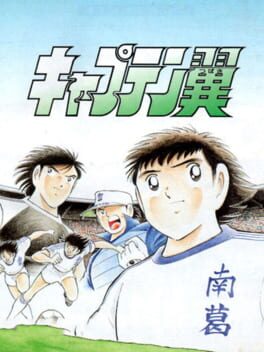
Captain Tsubasa Vol. II: Super Striker is the second game in the titular franchise, a role-playing take on the sport of soccer.

Fighting / Shooter / Role-playing (RPG) / Action
Capcom serves up a collection of classic games in Capcom Classics Collection. You can relive more than 20 classic titles including 1942, Final Fight, Ghosts 'n Goblins, and Commando. The games can be played in either one- or two-player mode. Capcom Classics Collection also includes bonus material, such as remixed soundtracks, game tips, and original artwork.

Role-playing (RPG) / Hack and slash/Beat 'em up / Action / Fantasy
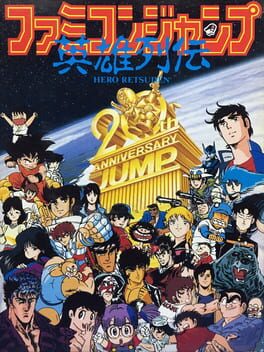
Famicom Jump: Hero Retsuden is a 1989 role-playing video game for the Family Computer published by Bandai. The game commemorates the 20th anniversary of Shueisha's manga anthology Weekly Shōnen Jump. Set in a world that brings together many of the long-running titles that had appeared in the magazine, both of the past and present at the time of its release. The game consists of a main character wandering and encountering the many Jump heroes as they try to save the world from an alliance of many of the most powerful and evil of the Jump villains.

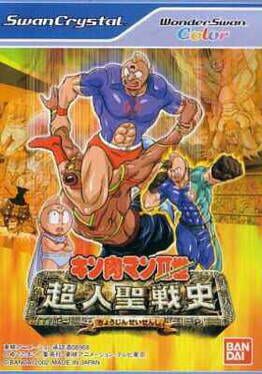
Kinnikuman Nisei: Choujin Seisenshi is a Role-Playing game, developed and published by Bandai, which was released in Japan in 2003.

Role-playing (RPG) / Sport / Action
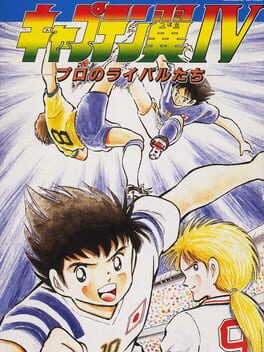
Captain Tsubasa 4: Pro no Rival-tachi is the fourth sequel of the original Captain Tsubasa videogame series by Tecmo. It's a direct sequel of Captain Tsubasa 3: Koutei no Chousen and released exclusively in Japan for Nintendo's Super Famicom on April 3, 1993.

Role-playing (RPG) / Sport / Strategy / Action
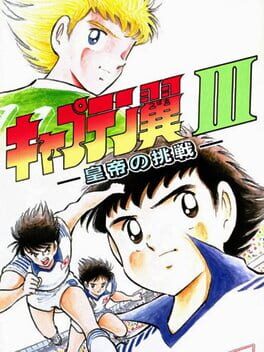
The first Captain Tsubasa game released on the Super Famicom. Captain Tsubasa III: Koutei no Chousen ("Kaiser's Challenge") is a soccer RPG based on the Captain Tsubasa manga and anime. It is the third game in the series, and the first for the Super Nintendo. As was the case with its forebears, Koutei no Chousen uses a semi-turn-based RPG format in which the player selects commands dependent on whether or not they have possession of the ball. The game follows the story of the manga to some extent. Besides the obvious graphical upgrade moving from 8-bit to 16-bit, Koutei no Chousen now allows the player to see a map of the pitch to help them strategize.

Role-playing (RPG) / Strategy / Turn-based strategy (TBS) / Action / Fantasy
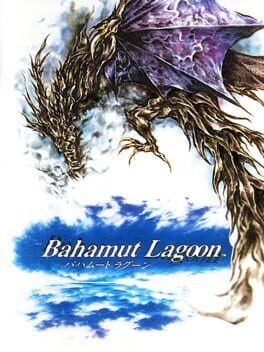
Bahamut Lagoon combines RPG mechanics with squad-based combat. Characters have HP, MP (SP for fighter characters), EXP, equipment, stats and class-specific, SP-draining special elemental abilities very much like traditional console RPGs. The player can explore his surroundings, talk to people and visit shops when not in battle, though to a limited degree as there is no world map and no way to leave the current area. The game's core is its turn-based battles fought on a 2d grid. Characters are assembled into parties of four and the player allowed a maximum of six parties, which are usually well outnumbered. The two opposing sides act in alternating turns so that each party can move once and/or attack once a turn. Attacks are divided into distant and close-up combat. In the former, a party uses a special ability (e.g. casting fireballs, throwing lightning, healing allies) of one of its members at a distance. The range and possible area of effect damage vary per ability. If the attacking party has two or more characters with the same ability, they join in the action to multiply its effectiveness. Distant combat results in less money and generally less damage, but the target cannot retaliate. Distant attacks can also affect the field; fire and ice ignite or extinguish forests and melt or freeze ice, etc. Close-up, each unit in two adjacent opposing parties can act once. Very much like Final Fantasy SNES combat, they can attack an enemy, use an item or a special ability (though these can't be combined and most only affect one target instead of all) or defend. Dragons are the player's ace in the hole. They have their own stats and gain experience like normal characters do. In battle, each party has a dragon attached to it and draws a large portion of its strength from that of its dragon: if a party's dragon is slain, the party will lose the ability to use special attacks and class-specific abilities for the remainder of the map. The beast acts as a very powerful autonomous unit that moves after its party does and it cannot be controlled beyond very simple commands, e.g. "Come!" Out of battle, dragons will eat anything and raising them by feeding them items is an important part of the game. Feeding can improve their stats as well as affect their behavior on the field, and the dragons develop into new forms as they grow. The player can change the characters in each of the parties, their formation as well as what dragon represents them at will.