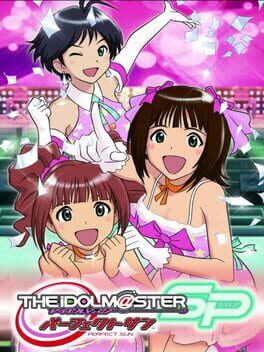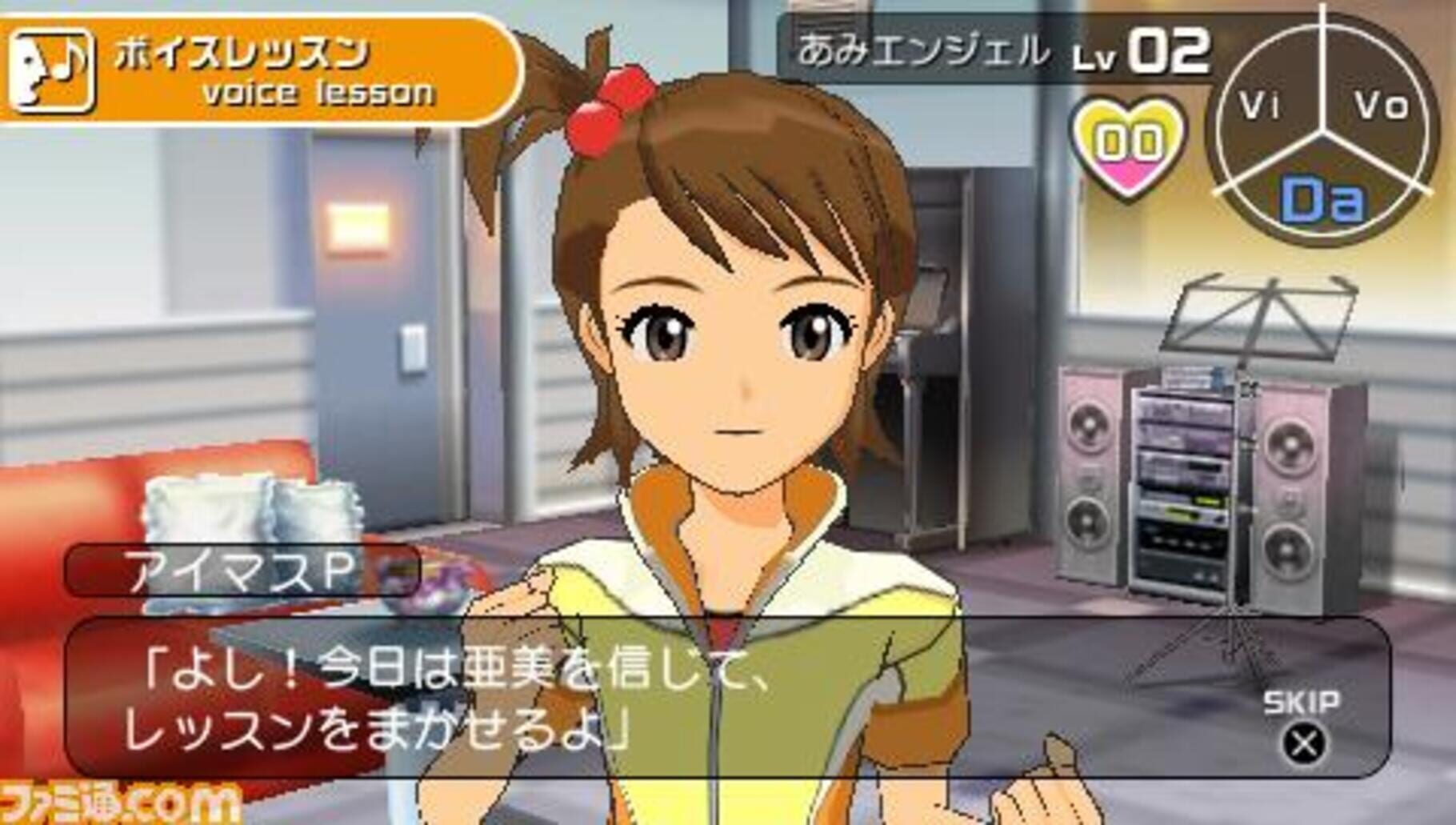
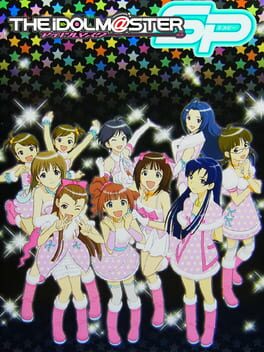

The Idolmaster SP is a series of three Japanese raising simulation video games in The Idolmaster game series. They were released on as Perfect Sun, Missing Moon, and Wandering Star for the PlayStation Portable as a port of The Idolmaster. The gameplay in SP features changes from its predecessor, including an additional promise system which puts more of a focus on communication. The games include three game modes: two single-player and one multiplayer mode for up to three players. The story is told from the perspective of a producer in charge of training 10 prospective pop idols on their way to stardom, and each version of SP features different idols. One reason for dividing SP among three versions when developing the games was to allow players to buy the version which features their favorite idols. Rival idols were introduced into SP because the development team felt that rivals are essential for The Idolmaster, which also serve to deepen the bonds between the player and an idol. Including downloadable content, the game features 54 songs the idols perform: 34 songs in original versions and 20 remixes of those songs, which have been released on several music albums. The bundled version was sold by Lawson in Japan.
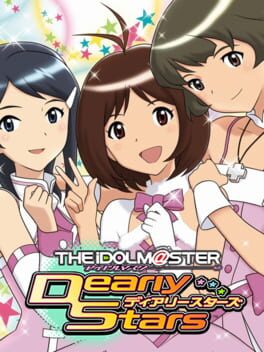
The Idolmaster: Dearly Stars is a Japanese life simulation video game. The game is a spin-off of The Idolmaster series and its timeline coincides before the events in The Idolmaster 2. The gameplay in Dearly Stars is similar to previous games in the series, but with new elements and differences to the minigames. The gameplay was adjusted to allow the player the option to quickly play through the game's story, but head director also wanted to add in gameplay elements that would add another layer of challenge. The story is told from the perspective of three prospective pop idols introduced in Dearly Stars as they enter the talent agency 876 Production, and deals with their training on their way to stardom. The player has access to the three idols' different scenarios when playing, and each one involves a branching plot line.

Music / Puzzle / Simulator / Educational / Kids
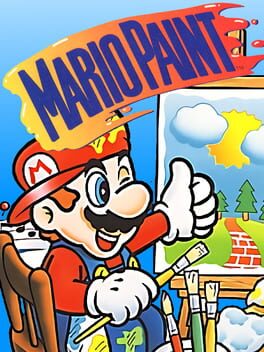
Mario Paint is an educational game that allows anyone to create simple pictures, paint over black and white pictures, or free draw their own using the specially developed SNES Mouse. The player can also create their own piece of music using a selection of notes and themes, create greeting cards and animations, or play a game of "Gnat Attack", where they use the mouse to control a swatter to swat flies.

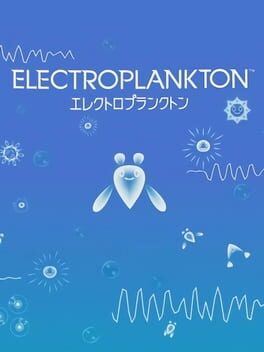
Electroplankton is an interactive music video game for the Nintendo DS handheld video game console. It allows the player to interact with animated plankton and create music through one of ten different plankton themed interfaces. The first-run edition of Electroplankton in Japan came bundled with a set of blue colored ear bud headphones. The game offers two game modes: Performance and Audience. The Performance mode allows the user to interact with the plankton through use of the stylus, touchscreen, and microphone. Audience mode simply allows the user to put down the system and enjoy a continuous musical show put on by all of the plankton, although the user can interact with the plankton just like in Performance mode. Audience mode is like a demo mode in some other games.

Music / Simulator / Sport / Action
In Imagine Figure Skater, players live the life of a champion who needs to balance her life between training, school and friends. Girls take on the role of a professional figure skater and use the stylus to perform jumps, spins and a variety of skating combinations.

The Idolmaster SP is a series of three Japanese raising simulation video games in The Idolmaster game series. They were released on as Perfect Sun, Missing Moon, and Wandering Star for the PlayStation Portable as a port of The Idolmaster. The gameplay in SP features changes from its predecessor, including an additional promise system which puts more of a focus on communication. The games include three game modes: two single-player and one multiplayer mode for up to three players. The story is told from the perspective of a producer in charge of training 10 prospective pop idols on their way to stardom, and each version of SP features different idols. One reason for dividing SP among three versions when developing the games was to allow players to buy the version which features their favorite idols. Rival idols were introduced into SP because the development team felt that rivals are essential for The Idolmaster, which also serve to deepen the bonds between the player and an idol. In Perfect Sun, you choose to produce one of three idols. The idols are: Haruka Amami, Makoto Kikuchi, and Yayoi Takatsuki.

Music / Puzzle / Simulator / Science fiction
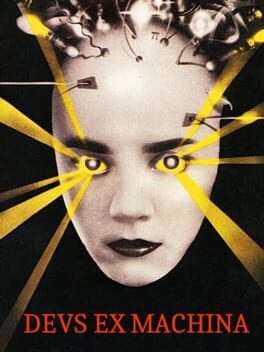
Deus Ex Machina is a 1984 ZX Spectrum and Commodore 64 surrealistic game with a heavy focus on sensory experience above interactive gameplay. You play a defect - a human form that has formed within an all controlling A.I. While the defect police is after you, your humanlike Alter Ego transforms through several stages of a human being. While the game does not offer any audio, the story is progressed through the narrative on the audio cassette which accompanies the game and has a running time of roughly 45 minutes - the amount of time the game is meant to play in one sitting.

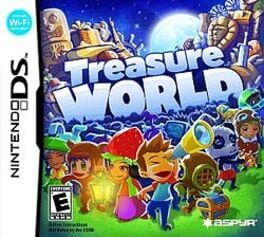
Grab your DS and start hunting! Treasure keys can be found by hunting for treasures at certain times or completing in-game achievements.

Dance Dance Revolution (ダンスダンスレボリューション Dansu Dansu Reboryūshon?), abbreviated DDR and also known as Dancing Stage in earlier games in Europe and Australasia, and some other games in Japan, is a music video game series produced by Konami. Introduced in Japan in 1998 as part of the Bemani series, and released in North America and Europe in 1999, Dance Dance Revolution is the pioneering series of the rhythm and dance genre in video games. Players stand on a "dance platform" or stage and hit colored arrows laid out in a cross with their feet to musical and visual cues. Players are judged by how well they time their dance to the patterns presented to them and are allowed to choose more music to play to if they receive a passing score. Dance Dance Revolution has been given much critical acclaim for its originality and stamina in the video game market. There have been dozens of arcade-based releases across several countries and hundreds of home video game console releases, promoting a music library of original songs produced by Konami's in-house artists and an eclectic set of licensed music from many different genres. The DDR series has inspired similar games such as Pump It Up by Andamiro and In the Groove by Roxor