Developed by T&E Soft for Atlus USA.
Role-playing (RPG) / Hack and slash/Beat 'em up / Adventure / Action / Fantasy
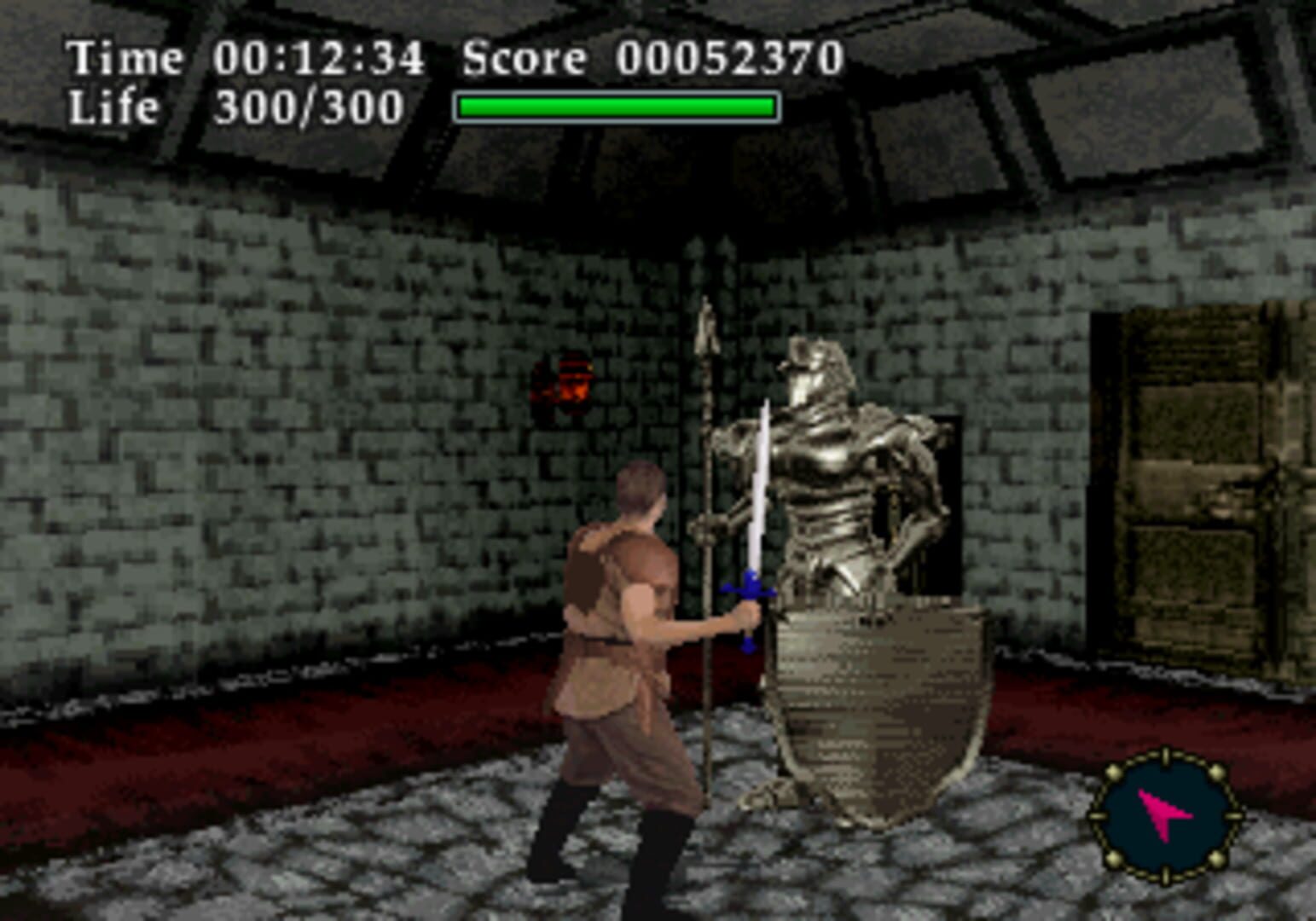
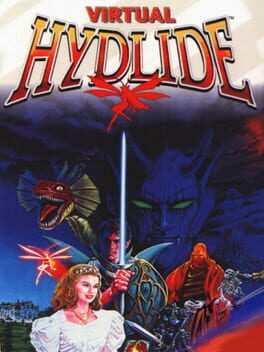
Action/RPG's don't get more real than this! Discover the ultimate fantasy world in this compelling epic adventure! An enchanted realm known as the Dream World has been captured an army of supernatural warriors, zombies, vampires and more infest the once peaceful land, awaiting new battles and conquests. You are a hero, born to the sword. Your mission is to free Dream World from the grip of the undead maravders by using your wits, your sword, and few magic items you uncover in your travels.

Role-playing (RPG) / Hack and slash/Beat 'em up / Adventure / Action / Fantasy
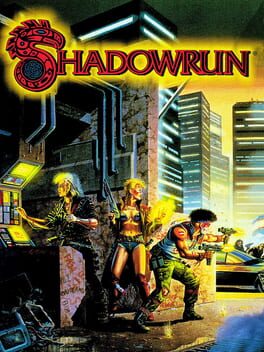
Shadowrun is an action role-playing game.It was adapted from the cyberpunk role-playing game Shadowrun.The game is the second video game adapted from Shadowrun, and has a more open ended style of gameplay than its 1993 Super NES counterpart, Shadowrun by Beam Software. The game is set in the Shadowrun universe, in the 2050s. A time where the blending of technology and human flesh is common; it is around the time the Matrix, a huge computer network, came online, with the ability to jack into its cyberspace directly. It was also a time of magic renewal: a phenomenon known as The Awakening occurred, where magic returned into the world. Sorcery was once again possible, and slowly and seemingly at random humans began to mutate into orcs, dwarves, elves or trolls. This time of upheaval was not without political conflicts: mega-corporations began to control the world. But with their magic, native shamans threatened them and the world geography came to a complete change. The Amerindians and Elves reclaimed an area called Salish-Shidhe, close to the free city of Seattle, a major city in the newly formed United Canadian and American States.

Platform / Puzzle / Role-playing (RPG) / Action / Fantasy
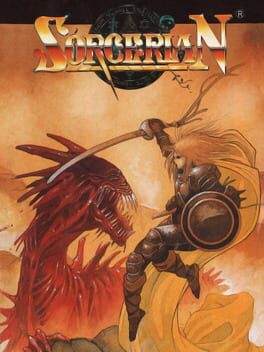
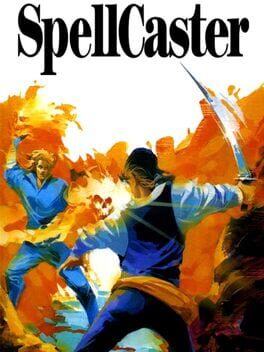
Sorcerian is a side-scrolling action-RPG. The player can create up to ten characters, from whom up to four members can be present in a party at the same time. Each character is highly customizable, with four different classes/races (fighter, wizard, elf, and dwarf) and over 60 possible jobs/occupations (ranging from clown to exorcist) available for them to perform; each has its own strengths and weaknesses, affecting the seven primary attributes (strength, intelligence, protection, magic resistance, vitality, dexterity, and karma) in different ways, as well as different equipment limitations. The player can choose from fifteen different scenarios, or quests, to play through in the order of their choice. The party must battle enemies and perform tasks within the given levels to clear each scenario, before moving onto another scenario of their choice. The player controls the entire party at the same time, with all four members running in a line, jumping in sequence, and attacking in unison. The party members follow behind in a manner similar to the Options in the arcade shooter Gradius (1985). Sorcerian also employs class-based puzzles, such as using a high-strength character to force open doors. All the characters have a default starting age of 16. Each time a player begins a new scenario, a year passes by, while additional time passes by in towns as a character goes through training or enchants items. The characters age at different rates depending on their race, with humans reaching old age at 60, dwarves at 100, and elves at 200. Upon reaching old age, for every year that passes, a character can die permanently at a random time. There is also an “Advance Time” to speed up the flow of time. Another new feature of Sorcerian was its episodic format that extended across various expansion packs. Besides the default fifteen scenarios that come with the game, there were a number of additional scenario packs released. The aging system was created with the additional scenario packs in mind.
Role-playing (RPG) / Hack and slash/Beat 'em up / Adventure / Action / Fantasy
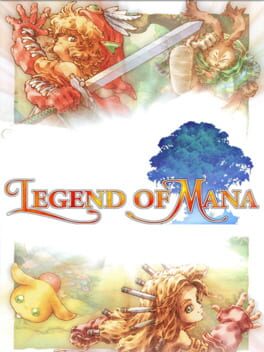
While incorporating action role-playing game elements from the three games which preceded it, Legend of Mana has its own distinct style of gameplay. Most notably, it gives the player the ability to shape the game's world of Fa'Diel according to his or her desires, a system which was incorporated through the use of "artifacts," which are gained as the player progresses through the game. The player uses the artifacts to create different towns, dungeons, etc., called "Lands", to venture to and explore. This creates a non-linear gameplay, since the game is driven by a series of what would be considered side-quests in other games. Legend of Mana features three different plots which can occur simultaneously, and which do not necessarily need to be completed for the player to finish the game. Legend of Mana was a financial success in Japan. While the game garnered considerable praise for its graphics and presentation, many critics and fans were turned off by the game's lack of a main storyline.

Fighting / Role-playing (RPG) / Adventure / Action / Fantasy
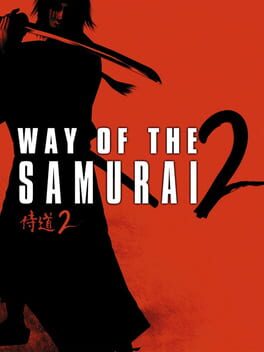
As a peaceful town becomes victim to extreme violence and unrest, a Samurai arrives with the ability to change the town's destiny. In Way of the Samurai 2, you'll take on the role of the Samurai in feudal Japan and battle to save the town of Amahara. Now you can experience traditional Samurai techniques, with realistic swordfighting moves and more than 60 powerful swords. Whether you free the innocent or join the corrupt, your decisions affect the game's ending.

Shooter / Platform / Role-playing (RPG) / Action / Fantasy
He has been summoned by Daikak, the great leader of the Summit Temple, to stop a war between factions of warlords. The player explores temples and defeats enemies like ghosts, ninja, and feral beasts. There are also villages to explore and people to talk to as the player assembles clues on who desecrated his home town's temple and killed its guardians. The quest takes the player across medieval Japan and to the Underworld. Unlike most games, death does not lead to game over or even a loss of money or experience points. Instead, the player has to use a password in order to resurrect themselves from the dead. The game is a port of the Japanese game Kujaku-ou, removing the anime license.

Role-playing (RPG) / Strategy / Action / Fantasy
Diablo is an isometric strategy RPG and one of the most well-known examples of the action-RPG subgenre. Although some of the game mechanics resemble a typical RPG, all actions are done in real-time just like in an action game. The player have to kill hordes of monsters through randomized dungeon levels in order to gain experience points, gold and a variety of equipment to bolster the hero's monster-killing potency.

Role-playing (RPG) / Adventure / Action / Fantasy
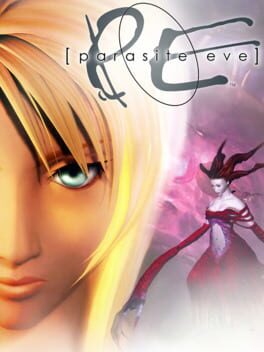
Parasite Eve is a survival horror role-playing video game developed and published by SquareSoft (now Square Enix) for the Sony PlayStation console. The game follows the story of Aya Brea, a rookie NYPD officer who becomes embroiled in a series of bizarre and deadly events related to a genetic mutation known as mitochondria. The game combines elements of horror, science fiction, and RPG gameplay, featuring real-time battles, exploration, puzzle-solving, and character development. The game's plot is inspired by the novel of the same name by Hideaki Sena, and its gameplay mechanics were influenced by the Final Fantasy series. Parasite Eve was critically acclaimed upon its release in 1998, and is widely regarded as a classic of the survival horror genre.

Role-playing (RPG) / Hack and slash/Beat 'em up / Adventure / Action / Fantasy
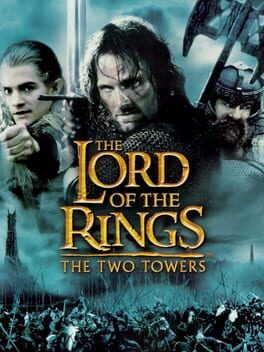
The Lord of the Rings: The Two Towers, for Gameboy Advance, is an action and adventure game based off of the first two movies of the popular Lord of the Rings series, The Fellowship of the Ring and The Two Towers. Players battle their way through some of the key events of these films as Aragorn, Gandalf, Frodo, Legolas, Eowyn, and Gimli.