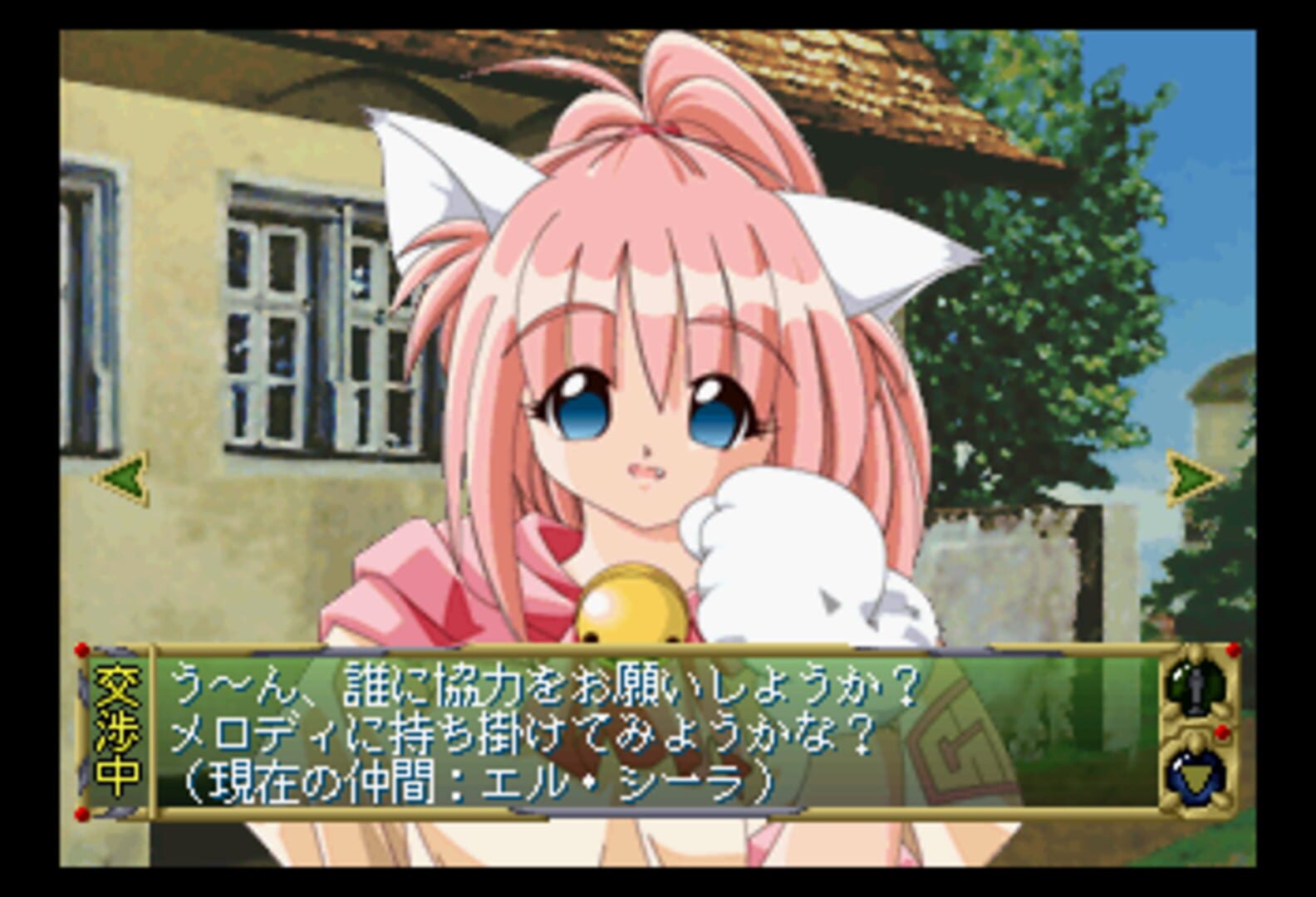
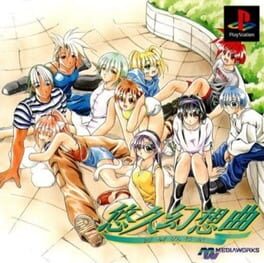
Yuukyuu Gensoukyoku is a 1997 simulation game by Starlight Marry and had several sequels on the Saturn and PlayStation Enfield, a country revived 50 years after a tragic war. Our protagonist works in a general shop owned by a widow called Arisa, who helped him when he was lost. After Arisa has to pay a great fee to free the hero from prison for a crime he didn't commit, our hero will have two problems to solve: how will he pay back Arisa? And who's the real criminal? Maybe he'll find the answers by becoming part of the town...

Point-and-click / Simulator / Strategy / Comedy / Drama
Kakyuusei is a 1996 PC-98 adventure dating sim where the protagonist must date (obviously) a girl or two or a dozen. It was ported to many platforms and has never been localized into any other language besides Japanese officially (only fan translations into Korean and Simplified Chinese). It’s a spin-off of the Doukyuusei titles also made by ELF.

Simulator / Strategy / Visual Novel / Science fiction / Romance
Elan is a strategy visual novel, developed and published by Visco, which was released in Japan in 1999.

Role-playing (RPG) / Simulator / Strategy / Science fiction / Business
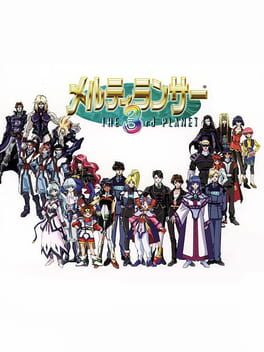
MeltyLancer: The 3rd Planet is the third and final game in the MeltyLancer series of sci-fi police simulation games. This entry features a new main cast of characters, as well as significant differences in the simulation gameplay. Rather than training the abilities of individual officers through schedule management, this entry takes more of a business-simulation approach with the player sending lancer teams on group missions; the success rates of these missions affect public confidence in the government. Each Lancer's stats will affect their ability to successfully complete missions, and if too many missions are failed the game will be over. Battles may occur during missions, which take a semi-automated turn-based format.

Simulator / Strategy / Adventure / Drama / Romance
Angelique Retour is the remake of Angelique. It was one of the surprise announcements during the Neoromance 20th Anniversary stage event, the other being Harukanaru Toki no Naka de 6. It is the first Angelique game to be on the PS Vita. Hachi-roku-hachi-ko is the character designer for this game. Keiko Erikawa said in two Famitsu interviews that she has always wanted to revisit the IP. She continues to be proud of it, believing that its success helped pave a new market for female audiences. Erikawa wanted this particular title to be made in gratitude to the fans who have followed the Neoromance brand since its beginnings and to reintroduce the IP to younger audiences. The Treasure Box edition includes an illustration book, a book containing published versions of the event illustrations, an original soundtrack CD, a bromide art card set of ten romanceable characters, and fastener charms of the romanceable characters. The 20th Anniversary edition has the Treasure Box edition merchandise and the following extras: a Hachi-roku-hachi-ko illustrated tarot card set, a Kairi Yura comic called Angelique ~Secret Sacrea~, two Kairi Yura illustrations, and a drama CD with messages from the romanceable characters. The Gamecity Set can be appended to any purchase of the game; it includes a character illustration book different from the boxed editions and an Angelique themed corsage clip. Purchase the game from Gamecity Shopping to receive an original short story pamphlet. Reserve the title at various store outlets to receive different merchandise.

Simulator / Strategy / Visual Novel / Romance
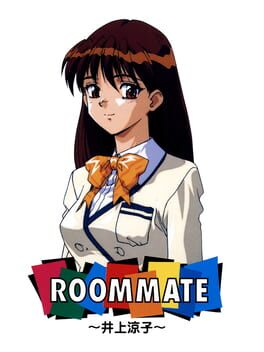
Roommate: Inoue Ryōko is a love-simulation adventure game and the first title in the Roommate series. The player can freely move about the apartment, and the game mostly consists of voiced dialogue sequences where the player interacts with Ryōko and can respond to her via multiple-choice answers. Unlike many such games, the two weeks of the in-game story progress in real time using the Saturn's internal clock (or the PocketStation in the PlayStation version), and the time and frequency of the player's visits will affect the events that occur and the protagonist's relationship with Ryōko, leading to several different endings. In Roommate Ryoko you have three years to develop a relationship with her. Using a truly innovative real-time feature, the Saturn's internal clock affects how the game plays out. If you play during the day, she isn't around at times. Most of your "interfacing" with her occurs at night (welcome to the next level, indeed). Bad Three's Company allusions aside, there is a good bit of social interaction that goes on - you actually get to know her and have to reveal a lot about yourself. What is most impressive, though, is that the conversation is never recycled - there are thousands of things that Ryoko can say. Seasonal changes affect the game, and although it isn't played in real time, you must adjust your schedule in the game to hers to catch her (this is done by leaving her notes on your shared white board). Don't get antsy and set the Playstation clock ahead though; the Playstation reads that "skipped" time as time you didn't spend talking to Ryoko, and by the time you get to the "future," she'll have moved out. The graphics in Roommate look pretty good - forget polygons or texture mapping though; everything here is drawn two-dimensionally with special attention to detail. The sound is also pretty sharp because Ryoko actually speaks a lot of her dialogue (while it is correspondingly displayed onscreen). Unfortunately though, the gameplay almost entirely consists of listening to your new roommate and picking an appropriate thing to say (a lot like your freshman year of college really).
Role-playing (RPG) / Simulator / Strategy / Fantasy / Romance
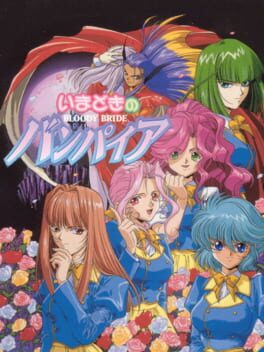
The young vampire is sent to the human world in order to find a girl with that aura, having 3 years to complete that task. As a vampire, the boy must wander at night in order to find common girl and suck their blood, although he will usually find monsters with whom he'll fight in order to help him reach his adulthood.

Simulator / Strategy / Adventure / Action / Science fiction
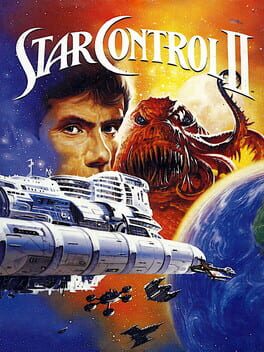
Star Control II, the sequel to the original Star Control, is a space adventure game that features role-playing elements alongside a 2D space ship melee combat system. The player assumes the role of The Captain of a single starship wandering a detailed environment of solar systems, gradually gathering information and resources in order to defeat a mysterious and implacable enemy.

Role-playing (RPG) / Strategy / Turn-based strategy (TBS) / Fantasy / Romance
Released in 1996 for the Sega Saturn, Sakura Taisen is the first game in the iconic Japanese game franchise. It combines strategy RPG elements with dating sim-style character interactions to make "A Storm of Romance amid Taishou Cherry Blossoms!"