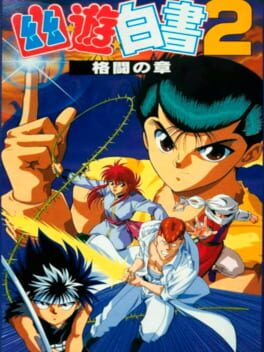

The second of four Namco Super Famicom adaptations of the YuYu Hakusho manga and anime, featuring the delinquent student Yusuke who becomes a spirit world investigator after he passes away. While its predecessor, YuYu Hakusho, featured a combat system that was turn-based and tactical, Kakutou no Sho is instead a standard example of the four-button fighter game model that became popular after the success of Capcom's Street Fighter II.
The game is set during the Dark Tournament arc of the TV anime adaptation, considered the second season of the show, during which Yusuke and his companions take part in a competitive fighting tournament for demons. It features ten playable characters and an additional four secret unlockable characters, which are actually just variations of other characters that appear during the storyline.
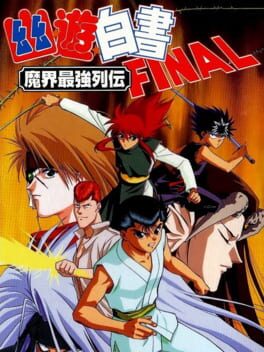
Yū Yū Hakusho Final: Makai Saikyō Retsuden is a 2D fighting game based on the Yu Yu Hakusho anime. The game features storyline & characters from season 3 & 4 of the anime. 13 Characters are available (Yusuke, Kurama, Kuwabara, Hiei, Sensui, Super Sensui, Shigure, Shura, Demon Yusuke, Demon Fox Kurama, Raizen, Yomi, Mukuro) and one extra hidden character Yakumo (The main antagonist in "Yu Yu Hakusho the Movie: Poltergeist Report") can be unlocked by entering a secret code. The player can choose among the various game modes (Story Mode, Demon world tournament, Elimination Match, Team Battle, 2 Player Battle) and a training mode in which player can train for unlimited or limited energy and can also select the location for the fight. Each character has 2 styles of punches and kicks (Light and Hard) and can perform special moves upon a specific input which can also be viewed before the starting of a fight.

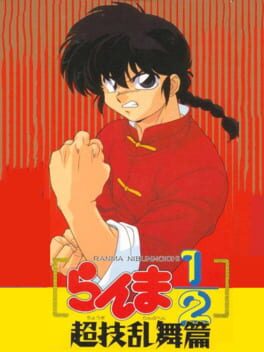
Ranma gets a letter explaining that they just received the recipe to the most valuable of all treasures, the Maneki Neko, which has the ability to grant any wish. Ranma must then set out to find the 12 ingredients of the Maneki Neko, located all over the world, before one of their rivals does the same. The game was scheduled to be released in North America under the title of Ranma ½ II: Anything-Goes Martial Arts, but went unreleased in the West.

Fighting / Hack and slash/Beat 'em up / Adventure / Action / Fantasy
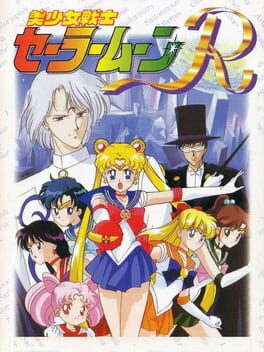
Bishoujo Senshi Sailor Moon R is a video game released for the Super Famicom by Bandai in 1993. It serves as a sequel to Bishoujo Senshi Sailor Moon. Upon starting the game, the player can choose one of 5 characters (2 can be selected for co-op). The game is divided into four levels; each level being divided further into two sub-levels. The player will fight numerous enemies, mostly consisting of default Droids based on their manga incarnations. At the end of each level, a boss must be defeated to proceed. Pressing a special button makes the character use a devastating attack that kills all lesser enemies on screen and causes significant damage to a boss character, although the use of the attack is limited. Bonus items can be picked up from the ground or found in breakable objects, usually in the form of food items that replenishes the life meter to varying degrees. Chibiusa Mode is synonymous with an "Easy Mode". Chibiusa's sprite is too short to be hit by most attacks, and the enemies are also made easier to beat. There is also bonus Battle Mode, which acts as a 1v1 arcade fighter for 2 players. Selecting this mode with only one player allows it to work as a training mode, with the other character remaining motionless.

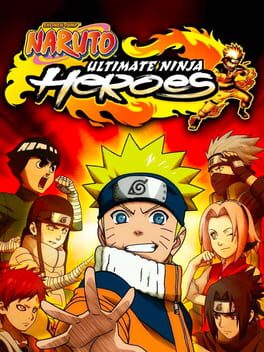
Naruto: Ultimate Ninja Heroes is an English-exclusive fighting game and is the first English Naruto game on the PlayStation Portable. Naruto: Ultimate Ninja Heroes is essentially a scaled down version of Naruto: Ultimate Ninja 2 and an edited version of Narutimate Hero Portable. However, Ultimate Ninja Heroes is more of an action game whereas Narutimate Portable was more story oriented. The game also features 20 characters and several new features, such as a three-on-three fighting system, wireless two-player battles, and "hidden" team skills.

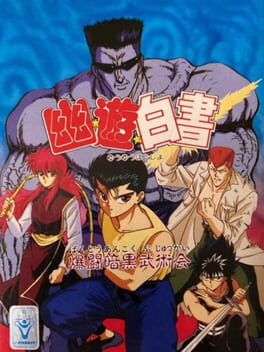
YuYu Hakusho: Bakutou Ankoku Bujutsu Kai is an Action game, developed by TOSE and published by Bandai, which was released in Japan in 1993.

Fighting / Role-playing (RPG) / Action
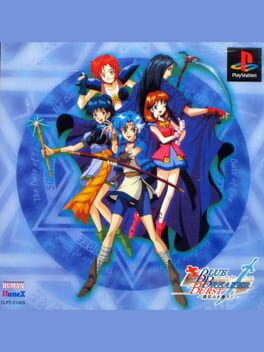
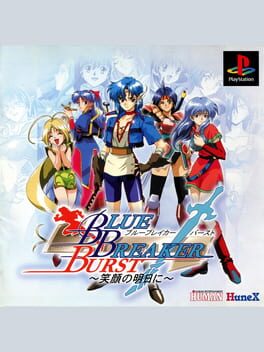
Blue Breaker Burst is a follow-up to Blue Breaker. However, instead of an RPG, this sequel is a full 3D 1-on-1 fighting game. The main story focuses on a new character named Chimena, though much of the first title's cast also return. The player moves Chimena around the world map to different locations, where visual novel-style events may occur with other characters, furthering the story and often leading to a fight. Apart from the main "Chimena's Story", additional stories focusing on other characters are unlocked as the game progresses. There are also a number of other modes. Original Mode is an arcade-style mode that forgoes the story in favor of a string of opponents that must be defeated. Versus mode allows a free battle against the computer or another player, while Training mode lets the player practice moves and combos, and view a moves list for each character.

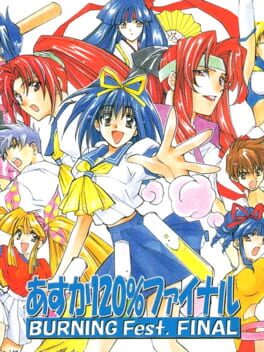
Part of the Asuka 120% franchise of fighting games, "Final" adds minor changes to the original game, adding a "down" gauge and a new cast of voice actors.

Egao no Asu ni is the third and final title in the Blue Breaker series, and is a direct sequel to Hohoemi o Anata to. The game is once again a full-3D fighting game, and the story picks up directly after the previous title, with Chimena still searching for the holy sword. There are also once again several new side stories featuring other characters. There are several new playable characters in this release, as well as a brand new Team Battle mode, which allows each player to select three characters to use in order. There is also an optional prologue that recaps the story of the previous title.