YuYu Hakusho: Bakutou Ankoku Bujutsu Kai1993
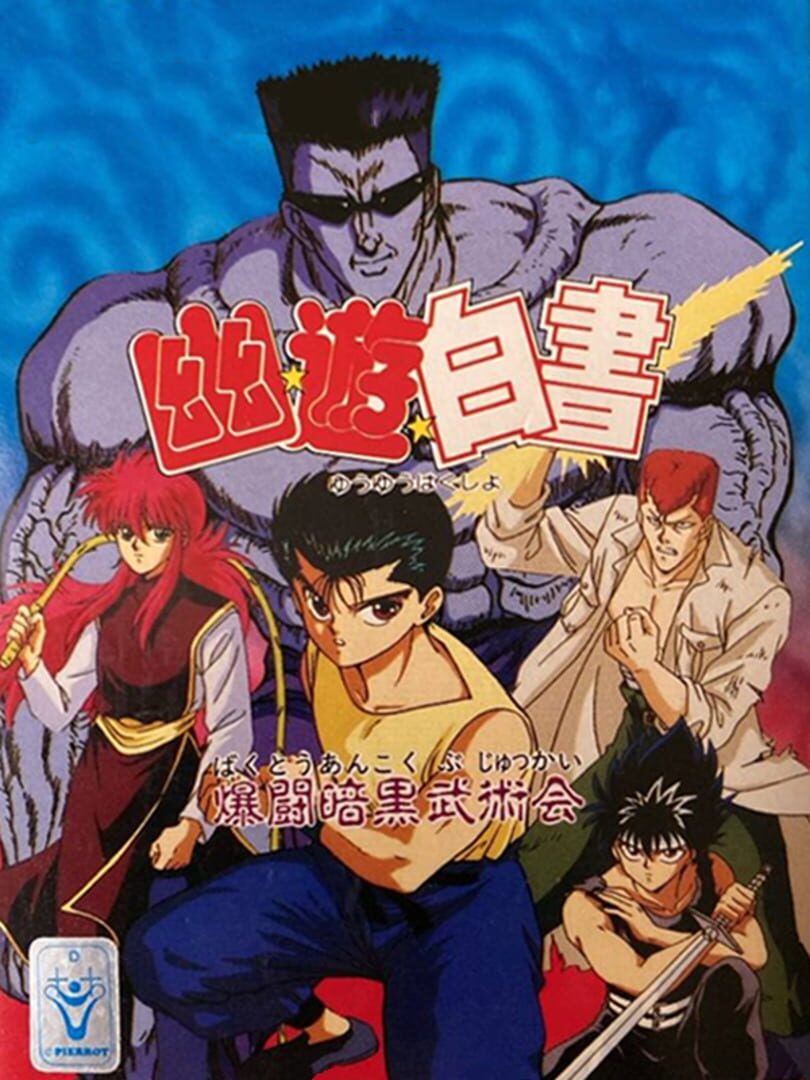
YuYu Hakusho: Bakutou Ankoku Bujutsu Kai is an Action game, developed by TOSE and published by Bandai, which was released in Japan in 1993.
Featured in
YuYu Hakusho: Bakutou Ankoku Bujutsu Kai is an Action game, developed by TOSE and published by Bandai, which was released in Japan in 1993.
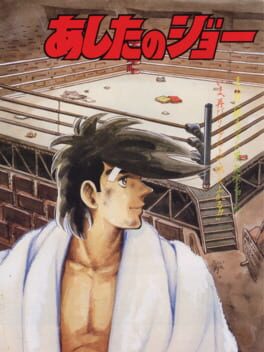
The player stars as Joe Yabuki, an aspiring boxer, as he goes from an unknown kid from the rough side of town to a boxing champion. The game follows the traditional beat 'em up format, with some portions taking place inside a boxing ring and others taking place in the back alleyways, as Joe trains, fights bullies, and then fights in the boxing ring.
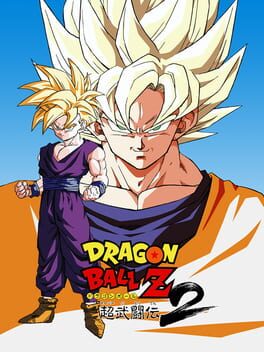
The second installment of the Super Butoden series focuses on the battles during (and shortly after) the "Cell Saga" arc of the Dragon Ball series. It is one of the few games in the series to focus on stories from the series's animated films. Although having a French release, the first time the game was released in North America was when it was distributed as a bonus digital copy for the consumers who pre-ordered Dragon Ball Z: Extreme Butouden. This version was untranslated from Japanese and still with the Japanese title.
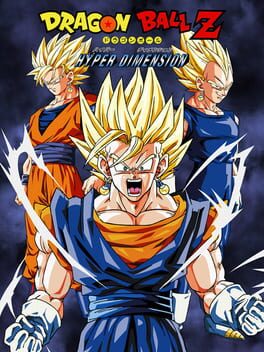
Dragon Ball Z: Hyper Dimension is a 2D fighting game and the last DBZ game made for the Super Famicom (SNES). It is based around the most memorable battles from DBZ and introduces more traditional and fluid combat mechanics.
Fighting / Hack and slash/Beat 'em up / Adventure / Action / Fantasy
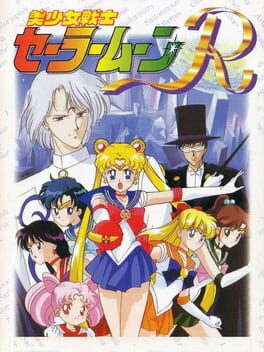
Bishoujo Senshi Sailor Moon R is a video game released for the Super Famicom by Bandai in 1993. It serves as a sequel to Bishoujo Senshi Sailor Moon. Upon starting the game, the player can choose one of 5 characters (2 can be selected for co-op). The game is divided into four levels; each level being divided further into two sub-levels. The player will fight numerous enemies, mostly consisting of default Droids based on their manga incarnations. At the end of each level, a boss must be defeated to proceed. Pressing a special button makes the character use a devastating attack that kills all lesser enemies on screen and causes significant damage to a boss character, although the use of the attack is limited. Bonus items can be picked up from the ground or found in breakable objects, usually in the form of food items that replenishes the life meter to varying degrees. Chibiusa Mode is synonymous with an "Easy Mode". Chibiusa's sprite is too short to be hit by most attacks, and the enemies are also made easier to beat. There is also bonus Battle Mode, which acts as a 1v1 arcade fighter for 2 players. Selecting this mode with only one player allows it to work as a training mode, with the other character remaining motionless.
Fighting / Strategy / Turn-based strategy (TBS) / Action
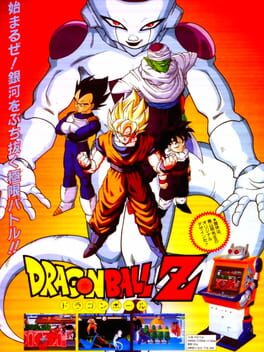
Dragon Ball Z is a fighting game designed and manufactured in Japan by Banpresto in 1993. The game's cabinet is shaped like a robot with markings similar to Goku's gi (suit). The game features large sprites and a color palete that is identical Toriyama's water color scheme in the manga. The environments are semi destructible as chunks of wall or ground could be destroyed. The controls are unique as most of the characters movements are flight related. The playable characters are Goku, Super Saiyan Goku, Gohan, Vegeta, Piccolo, Frieza, Captain Ginyu, Recoome, and Burter.
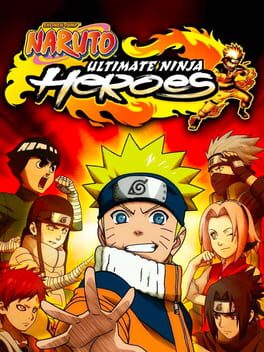
Naruto: Ultimate Ninja Heroes is an English-exclusive fighting game and is the first English Naruto game on the PlayStation Portable. Naruto: Ultimate Ninja Heroes is essentially a scaled down version of Naruto: Ultimate Ninja 2 and an edited version of Narutimate Hero Portable. However, Ultimate Ninja Heroes is more of an action game whereas Narutimate Portable was more story oriented. The game also features 20 characters and several new features, such as a three-on-three fighting system, wireless two-player battles, and "hidden" team skills.
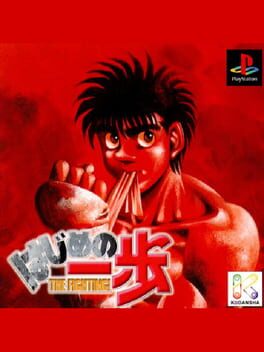
This game is based on the boxing Manga and Anime series "Hajime no Ippo" created by Jyoji "George" Morikawa. It was released only in Japan. The story focuses heavily on character development, even during the matches something is learned about the fighters. Ippo and his friendly rivalry with Miyata is the main draw in the early part of the series. That later changes to Ippo's path towards the Japanese Featherweight Championship and eventually the world championship. Along the way we are given glimpses into the other side character's pasts, motivations, relationships to others and current boxing trials. This is a simulation game in which the player choose what training wants the boxer to do each month and then watch him fighting.
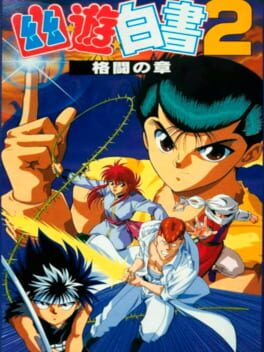
The second of four Namco Super Famicom adaptations of the YuYu Hakusho manga and anime, featuring the delinquent student Yusuke who becomes a spirit world investigator after he passes away. While its predecessor, YuYu Hakusho, featured a combat system that was turn-based and tactical, Kakutou no Sho is instead a standard example of the four-button fighter game model that became popular after the success of Capcom's Street Fighter II.