Mystery box
?
Sealed
Mystery Box
Every game in your current results, in one box. Add it to a quest and each run draws a fresh game from it, revealed on release day.
Apple II
1986
This side out
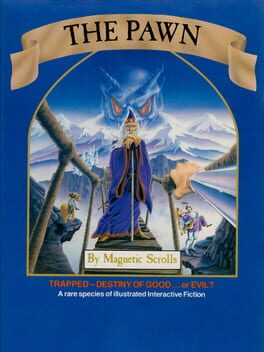
The aim of this interactive fiction with graphics is to escape from the land of Kerovnia, where strange occurrences are routine. The Roobikyoub dwarves have been banished from the kingdom, which is not good as they produce high-quality whisky. King Erik is not popular for this decision, as some feel that ale brewers and mineral water bottlers have influenced him. Honest John the trader and Kronos the Magician play a key role in your journey, each offering sub-quests to attempt. The package includes a novella complete with map and decipherable hints, which are accessed by typing 'hint' followed by the code into the computer. Therefore, those with only a pirated copy would struggle to complete the game. Your score and the number of locations visited are both displayed in the title bar. The parser allows whole words to be deleted and unaccepted previous entries to be re-edited.
DOS
1992
This side out
Real Time Strategy (RTS) / Strategy / Science fiction
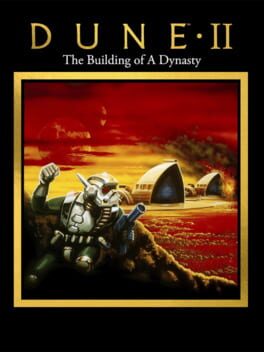
Dune II is often considered the first mainstream modern real-time strategy game and established many conventions of the genre. Even though set in Frank Herbert's famous Dune universe, the game is only loosely connected to the plot of any of the books or the films based from them. Controlling either of the three Houses, the player must fight a number of battles against the other Houses. In the early levels, the goal is simply to earn a certain number of credits, while in the later missions, all enemies must be destroyed. The single resource in the game is the Spice, which must be collected by harvesters. The spice is converted to credits in a refinery, which are then spent to construct additional buildings and units. There are two terrain types: buildings can only be constructed on stone, while the Spice is only found on sand. However, units moving on sand attract the large sandworms of Dune, who are virtually indestructible and can swallow even large units whole. As levels progress, new and more advanced buildings and units are made available, including structures like a radar station, a repair facility or defense turrets and, for units, various ground troops, light vehicles and tanks. Each House can construct one unique special unit, and, after building a palace improvement, can unleash a unique palace effect.
Atari ST
1989

This side out
Real Time Strategy (RTS) / Role-playing (RPG) / Simulator / Fantasy / Sandbox
Populous is a real-time strategy game where the player takes the role of a deity influencing the development of civilizations. You shape terrain, guide followers, and use natural disasters like floods, volcanoes, and earthquakes to influence or eliminate opposing tribes. The game features an isometric perspective and includes 500 levels (worlds), each with different challenges. Originally developed by Bullfrog and designed by Peter Molyneux, it is considered one of the earliest examples of the god-game genre.
Mac
1989
This side out
Simulator / Strategy / Business / Sandbox
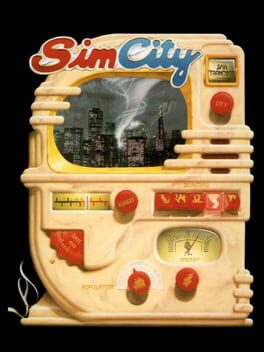
SimCity, later renamed SimCity Classic, is a city-building simulation video game, first released on February 2, 1989, and designed by Will Wright for the Macintosh computer. SimCity was Maxis's second product, which has since been ported into various personal computers and game consoles, and spawned several sequels including SimCity 2000 in 1993, SimCity 3000 in 1999, SimCity 4 in 2003, SimCity DS, SimCity Societies in 2007, and SimCity in 2013. Until the release of The Sims in 2000, the SimCity series was the best-selling line of computer games made by Maxis.
Acorn Electron
1984
This side out
Shooter / Simulator / Strategy / Action / Science fiction
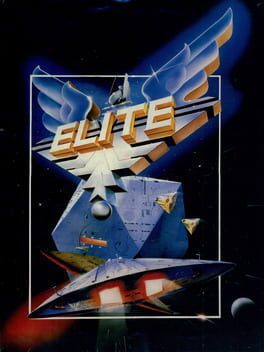
Elite is a space trading video game, written and developed by David Braben and Ian Bell and originally published by Acornsoft for the BBC Micro and Acorn Electron computers in September 1984. Elite's open-ended game model, and revolutionary 3D graphics led to it being ported to virtually every contemporary home computer system, and earned it a place as a classic and a genre maker in gaming history. The game's title derives from one of the player's goals of raising their combat rating to the exalted heights of "Elite". Elite was one of the first home computer games to use wire-frame 3D graphics with hidden line removal. It added graphics and twitch gameplay aspects to the genre established by the 1974 game Star Trader. Another novelty was the inclusion of The Dark Wheel, a novella by Robert Holdstock which gave players insight into the moral and legal codes to which they might aspire.
call-a-computer
1978
This side out
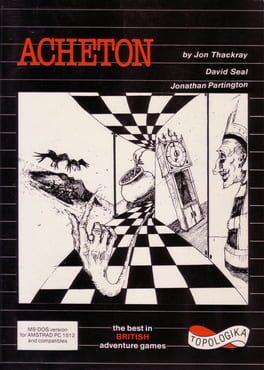
Achteon was originally released on a mainframe computer, similar to Zork. And just like Zork it is a fantasy treasure hunt with 400 rooms and 200 objects, and therefore is much bigger than its more famous companion.
Atari ST
1987
This side out
Acorn Archimedes
1994
This side out
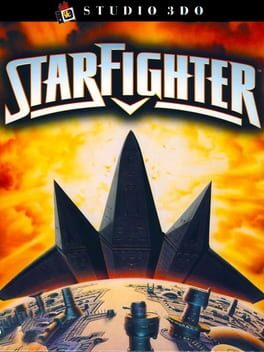
Star Fighter or Star Fighter 3000 is a 3D flight-based shoot-em-up. The gameplay is mission based and involves elements of strategy and planning. The player can order wingmen to fly in formation and attack specific targets. How Much Can You Score? Features: Battle system 2 kind of enemy ships Hiscore Save Each Level more enemys spawn Soundtrack Competitive game play
Amiga
1989
This side out
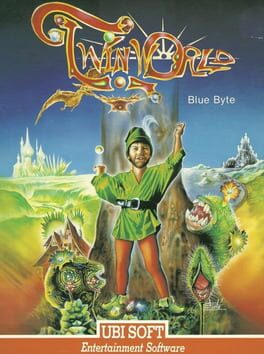
After the Cariken family became complacent, the land of Gaspar ceased to be ruled as well. This left the way clear for evil men such as Maldur the druid to step in and slaughter the family, shattering their magical amulet. Only one of the family survived, and the amulet was broken into 23 pieces. As Ulopa, the sole survivor, you must reclaim the pieces. They are spread across 23 levels of platforming action, combining surface areas with some underground tunnels. You have 3 types of weapons with different functionality: switching between them at the right moments is vital. You can also collect upgrades from the carcasses of dead enemies. Other upgrades such as springs and a parachute can also be found.
Amstrad CPC
1987
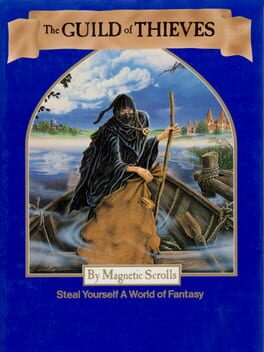
This side out
Role-playing (RPG) / Adventure / Fantasy
The Guild of Thieves is an interactive fiction game by Magnetic Scrolls first published by Rainbird in 1987. The game also takes place in Kerovnia like the previous game The Pawn. The player's character is "an aspiring member of the infamous Guild of Thieves" and is to steal all the valuables that can be found in and around an island castle. The game features "extremely atmospheric" descriptions and 30 artistic renditions of key locations. Included in the game package are a faux newsletter of the Guild of Thieves titled What Burglar providing instructions and hints for the game, a Bank of Kerovnia Trading Account Card, a guild contract detailing the arrangement between the player's character and the Guild of Thieves and small dice.
Amiga
1991
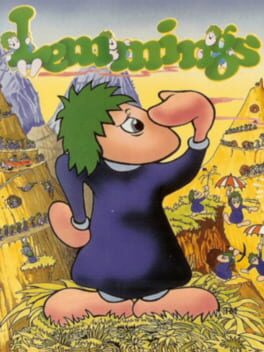
This side out
Lemmings is a puzzle-platform game developed by DMA Design and published by Psygnosis in 1991. Players guide a group of lemmings through hazardous levels to a designated exit. The gameplay involves assigning specific skills, such as digging or building, to overcome obstacles and avoid traps. Each level has a time limit and requires saving a minimum number of lemmings to progress. The game was released on multiple platforms and is regarded as a classic of the puzzle genre.
Amiga
1989
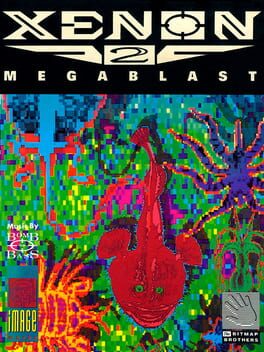
This side out
Shooter / Arcade / Action / Science fiction
No-one likes a and loser. And no-one comes more universally despised than Xenites. For a thousand years they have been plotting revenge for their humiliating defeat in the last Galactic Conflict. Now the very fabric of time is in danger. The Xenites have planted five Time Bombs through history. Only you can save the day - not to mention the Universe. The last time you met it was a playground scrap. This time it is war.
Amstrad CPC
1991
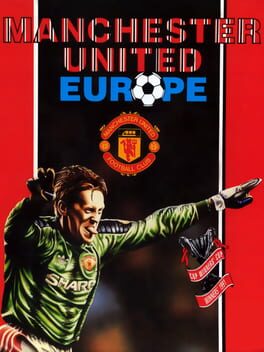
This side out
Play your favourite team as they make their way through the European Football championships. You can either select your team and let the computer's AI battle out each match, or take over control of the players and put the ball in the back of the net yourself.
Amiga
1993
This side out
Shooter / Strategy / Action / Comedy
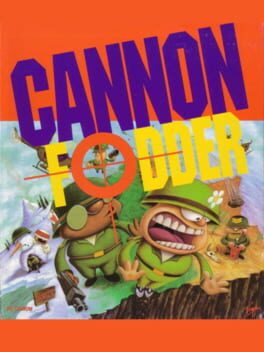
Cannon Fodder is an action-strategy shoot 'em up game developed by Sensible Software and published by Virgin Interactive. The game is military-themed and based on shooting action but with a strategy game-style control system. The player directs troops through numerous missions, battling enemy infantry, vehicles and installations. Cannon Fodder has a darkly humorous tone which commentators variously praised and condemned. Its creators intended it to convey an anti-war message, which some reviewers recognised, but the Daily Star and a number of public figures derided the game. In other respects, reviewers highly praised the game, which widely achieved scores of over 90% in Amiga magazines. Amiga Action awarded it an unprecedented score, calling it the best game of the year.
Amstrad CPC
1991
This side out
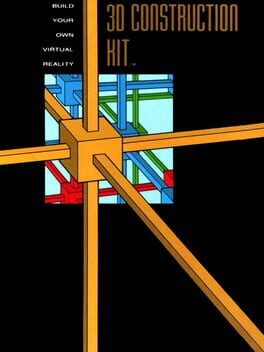
3D Construction Kit (US, Canada and Israel release title: Virtual Reality Studio[3]), also known as 3D Virtual Studio, is a utility for creating 3D worlds in Freescape. Developed by Incentive Software and published by Domark, it was released in 1991 on multiple platforms. The game originally retailed for £24.99 for the 8-bit version, and £49.99 for 16-bit version, in the United Kingdom. A sequel, 3D Construction Kit II, was released in 1992, but only available on Amiga, Atari ST and MS-DOS.
Amiga
1992
This side out
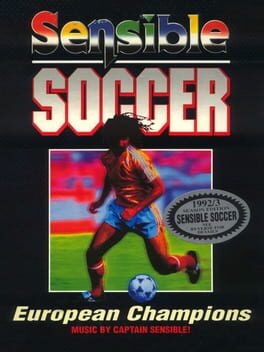
With the original Sensible Soccer having sold hugely, this updated version was released some months later (and then used as the basis for the later console versions). The teams are updated, with the sides present in the 92-93 European tournaments included, and the player names updated to take transfers into account. The game was tidied up and changed in a number of areas. The most significant change is the addition of red and yellow cards for discipline (2 yellow card offenses or one ‘professional foul’ (denying your opponent a clear goal-scoring opportunity) results in that player being sent off). The goalkeepers have been improved in skill, and the 1994 World Cup Qualifying tournament was added. This is the version that would be ported to various consoles, such as the SNES, Genesis, and in North America under the title "Championship Soccer '94".
DOS
1991
This side out
Platform / Puzzle / Adventure / Action / Fantasy
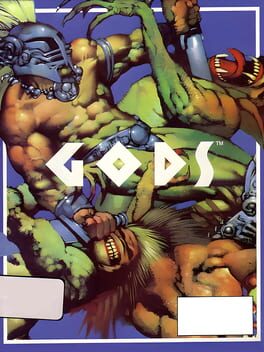
Who would have thought that a man would be so foolish or so daring as to accept a challenge set down by the Gods? And yet one came forward to claim the right to test his skills and strengths against a city so legendary its name alone struck fear in the hearts of all who heard it spoken.
DOS
1992
This side out
Puzzle / Adventure / Action / Fantasy
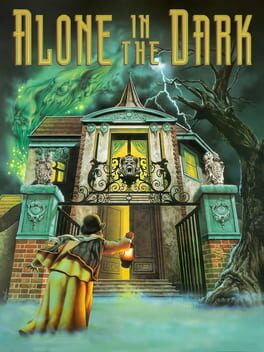
Alone in the Dark is one of the first survival horror games and the first to utilize 3D models superimposed on pre-rendered backgrounds, which would become a key inspiration for upcoming horror games at the time, like the Resident Evil franchise. The player can use various weapons, such as pistol, rifle, swords and knives, though it is possible to kill most enemies with melee attacks. Some opponents can be beaten by solving a particular puzzle, while a significant number of opponents cannot be killed at all or only with certain weapons.
Still plenty of games...