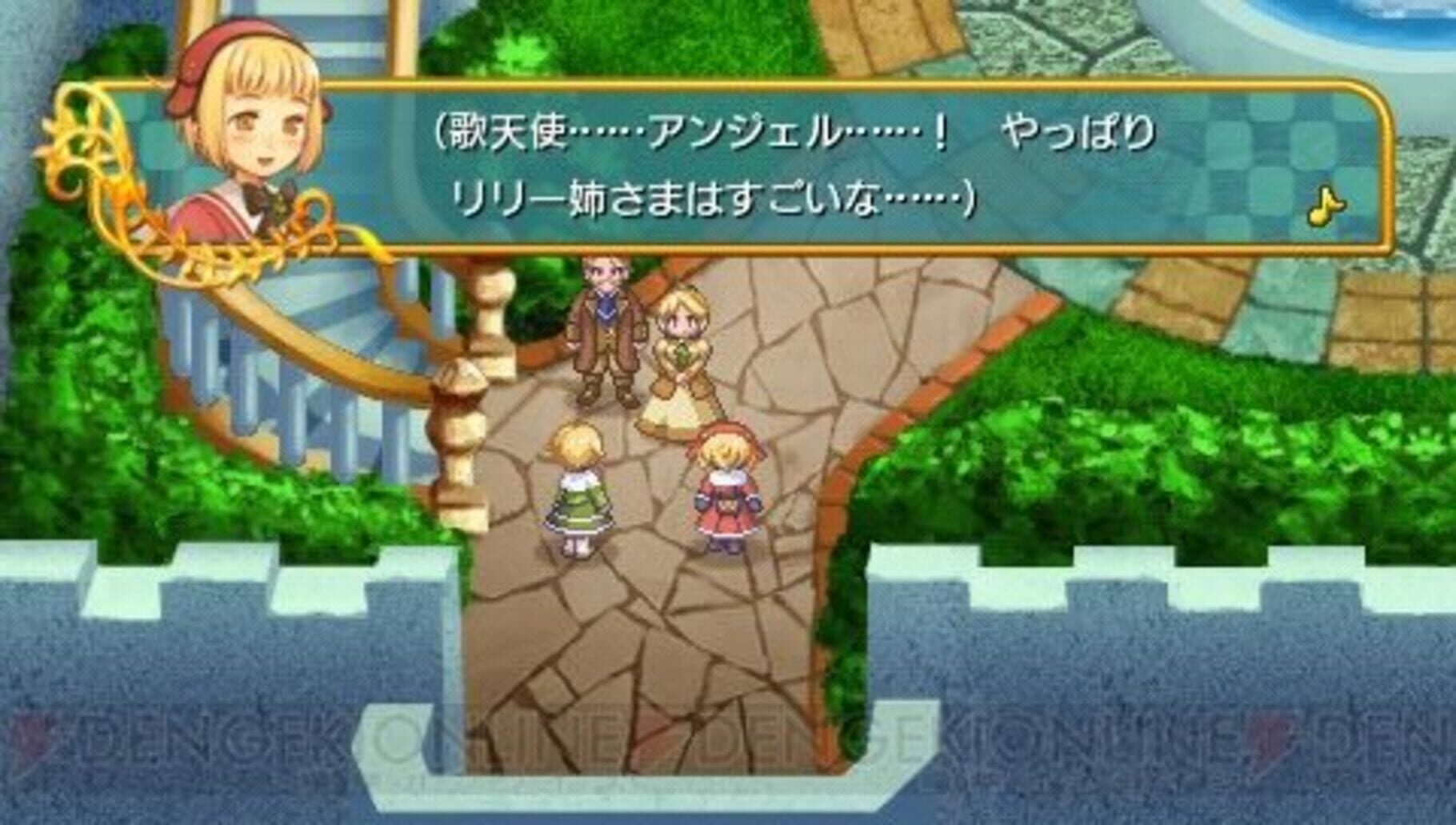
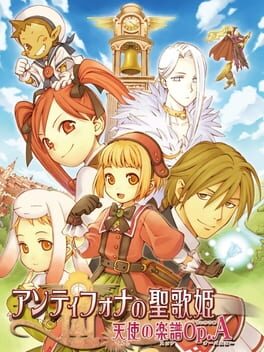

A spiritual successor and quasi-sequel to Nippon Ichi's Marl Kingdom series, which takes place several hundred years after the events depicted in Rhapsody: A Musical Adventure and its sequels. Though the game's development was outsourced and Nippon Ichi only served as its publisher, it retains a very similar visual style to its prequels, and also features songs by longtime Nippon Ichi composer Tenpei Sato, who wrote the musical numbers that the Marl Kingdom series was well known for. The game's story follows Miabelle, a young girl who lives in the eponymous kingdom of Antiphona. When the game begins, Miabelle's beloved older sister Lily, an accomplished singer, has just been given the honour of serving as Song Princess at a great festival held in the kingdom once every three hundred years. But just before the festival starts, Lily's voice is stolen by the devious Aulos. Summoning her courage, Miabelle sets off on a quest with her puppets and companions to restore her sister's voice, and save the kingdom from peril.
Role-playing (RPG) / Strategy / Tactical / Fantasy / Comedy
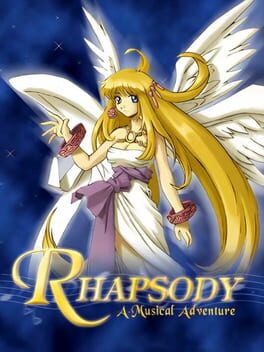
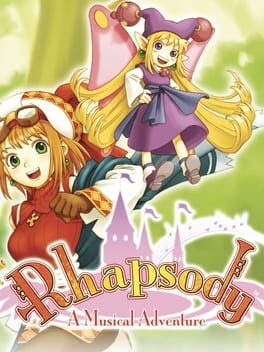
Rhapsody: A Musical Adventure, released in Japan as The Puppet Princess of Marl Kingdom is a tactical role-playing game for the PlayStation from Atlus USA and Nippon Ichi Software, the creators of Disgaea, and is part of the Marl Kingdom series. Rhapsody, along with its sequels, are considered musical RPGs, meaning in place of FMV cutscenes, there are musical numbers, complete with vocals. The game is also known for its "overwhelming cuteness" and low level of difficulty. Although this may make the game seem geared towards a younger audience, in Japan, the game and series in general has seen much success.

Role-playing (RPG) / Strategy / Adventure / Fantasy / Comedy
Port on the Nintendo DS, the gameplay has been changed significantly, and the battles are presented in 2D strategy-RPG type identical to the game's sequels. Kururu also engages in battle and the characters sprites are different in this version of the game.

Role-playing (RPG) / Strategy / Adventure / Fantasy / Comedy
Rhapsody II: Ballad of the Little Princess is a role-playing video game developed and published by Nippon Ichi Software for the original PlayStation and is the second installment in the Rhapsody series. The game takes place twelve years after the event of its predecessor, Rhapsody: A Musical Adventure, and features much of the same characters. Like its predecessor, Little Princess includes many musical interludes and focuses on the themes of falling in love and fulfilling your dreams, though the tactical role-playing game battle system of Rhapsody was discarded for a more traditional RPG battle system.

Role-playing (RPG) / Strategy / Turn-based strategy (TBS) / Fantasy
This direct sequel to "Arc the Lad" continues the unfinished story of the first game, but starts from a totally different perspective. You control a bounty-hunter named Elk, who suffers from amnesia. On his quest for his own true identity he discovers the powers hidden within him, and the destiny of his entire tribe. While pursuing his archenemy, Elk meets up with Arc, the hero of the first game, and then both realize they have been looking to destroy the very same evil. The battle system of "Arc the Lad II" is similar to the one used in its predecessor: in battles you can move your characters on the battle field, and your proximity to the enemies plays an important role. You cause and take different amounts of damage depending on your position on the battle field. Unlike the first game, this one is a full-fledged adventure/RPG, without the "strategy" feel of the predecessor. You move through the game world on your own, visiting towns and exploring dungeons.

Role-playing (RPG) / Fantasy / Science fiction
In this turn-based Japanese RPG, young Crono must travel through time through a misfunctioning teleporter to rescue his misfortunate companion and take part in an intricate web of past and present perils. The adventure that ensues soon unveils an evil force set to destroy the world, triggering Crono's race against time to change the course of history and bring about a brighter future.

Role-playing (RPG) / Adventure / Fantasy / Science fiction
The Western release of Final Fantasy VII (released as Final Fantasy VII International in Japan) included additional elements and alterations, such as streamlining of the menu and Materia system, reducing the health of enemies, new visual cues to help with navigation across the world map, and additional cutscenes relating to Cloud's past.

Role-playing (RPG) / Turn-based strategy (TBS) / Fantasy / Science fiction
A turn-based JRPG and sequel to EarthBound (1994) in which a tragedy surrounding a family in the primitive yet joyful village of Tazmily incites the coming-of-age story of Lucas, the family's younger son, who goes on perilous adventures along with his friends in order to find his missing brother and stop a group of masked men from bringing about the end of the world.

Role-playing (RPG) / Strategy / Turn-based strategy (TBS) / Fantasy / Romance
Released in 1996 for the Sega Saturn, Sakura Taisen is the first game in the iconic Japanese game franchise. It combines strategy RPG elements with dating sim-style character interactions to make "A Storm of Romance amid Taishou Cherry Blossoms!"