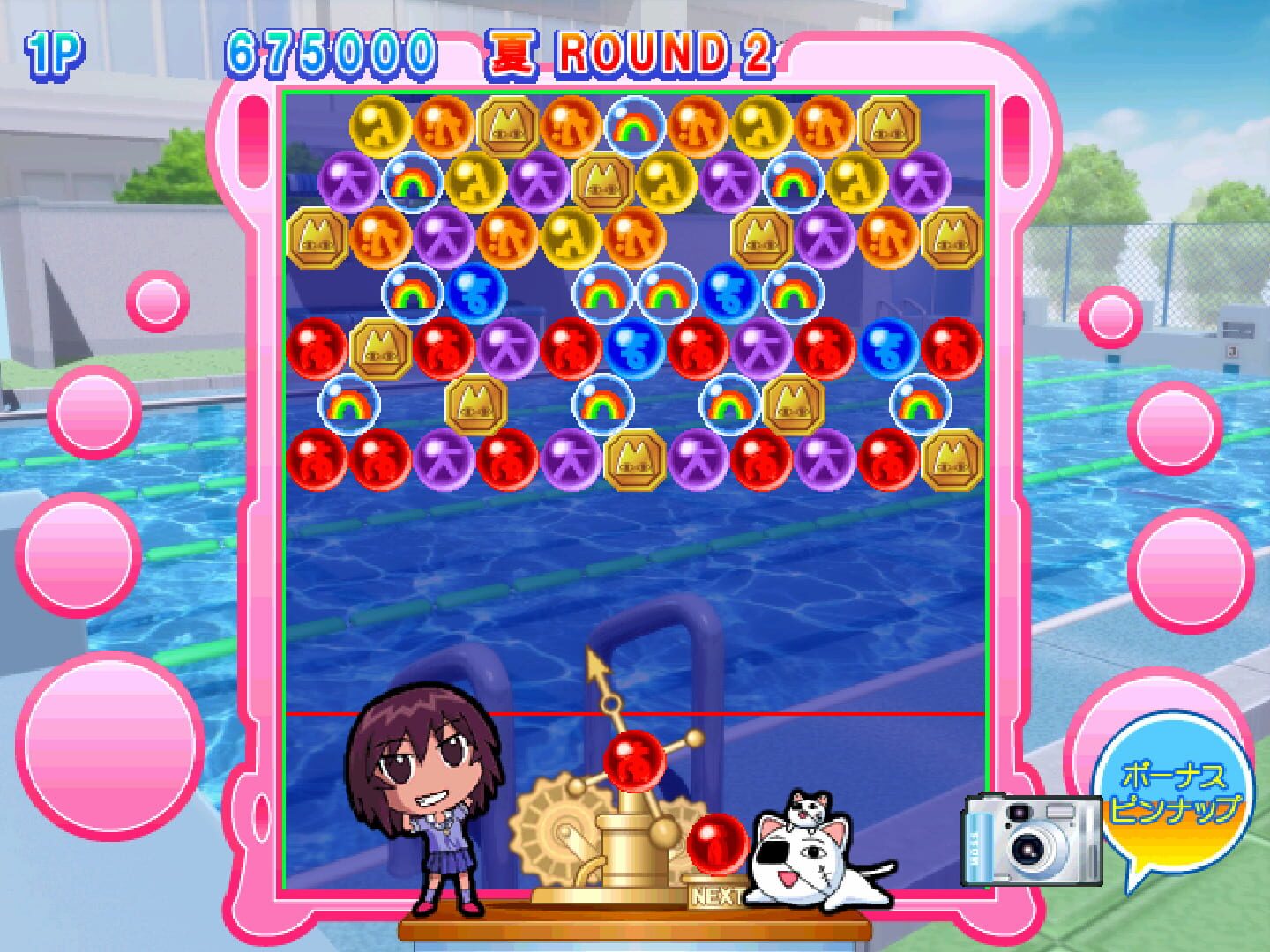
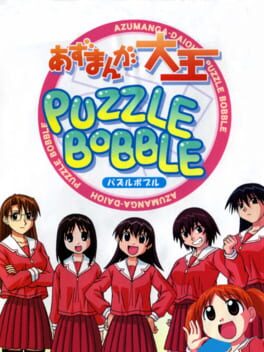
This is a version of the traditional Puzzle Bobble / Bust-A-Move originally made by Taito but featuring characters from the Manga and Anime series "Azumanga Daioh". It was released only in Japan.
Screenshots
Featured in
This is a version of the traditional Puzzle Bobble / Bust-A-Move originally made by Taito but featuring characters from the Manga and Anime series "Azumanga Daioh". It was released only in Japan.
Puzzle / Strategy / Arcade / Action / Fantasy
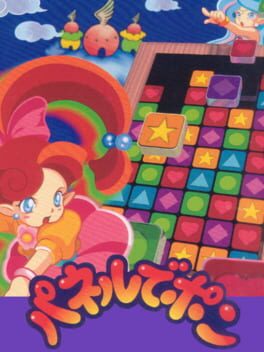
A tile matching puzzle game for the Super Famicom, the first in the Puzzle League series. It was later modified to feature Yoshi and Mario related characters to be released in the western regions, under the name of "Tetris Attack". It was also a downloadable game for the Satellaview that was broadcast in at least 4 runs between November 19, 1995 and January 31, 1998. Although the game was Japan exclusive, it did eventually see releases in the rest of the world in 2020 as part of the Nintendo Switch Online lineup.
Shooter / Platform / Puzzle / Action / Fantasy
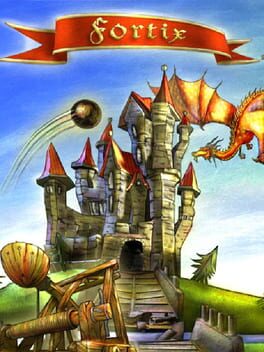
Can you reclaim your ancestors’ land? Evil forces have taken over the once fertile land of Fortiana. You are the only one who can storm the castles and claw it back from the hordes of dragons. Experience a new type of strategy and arcade game. Fence off parts of the battlefield to corner your enemies. Collect catapults and power-ups to besiege the fortresses and take on dragons. But beware! As you progress through the levels it gets harder and harder. The fortresses become much larger and the monsters more vicious. Can you emerge victorious and reclaim the land of your ancestors? You are knight Fortix, the sole hope for the desolate and tortured land of Fortiana to become the fertile land that it was before.
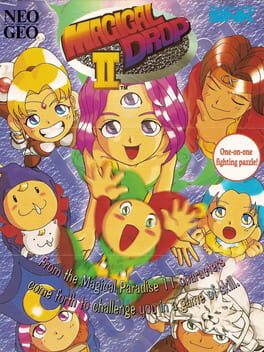
Magical Drop is played in a style and gameplay similar to Compile's (now Sega's) Puyo Puyo and Taito's Puzzle Bobble franchises; a "stack" of random colored bubbles descend from the top, and a player is defeated when a bubble hits the bottom. Bubbles can be picked up and dropped by the player's "clown" at the bottom, and are destroyed when three or more of the same color are put together on a single column. "Chains" are formed either when a single drop caused a chain reaction, or when more than one group of bubbles is destroyed in quick succession. The game is normally played with two players (one may be a computer opponent), and chains cause the opponent's stack to descend faster. There are 24 characters, all but the Black Pierrot being named after a tarot card (although the Strength card has been represented by two characters throughout the series). Different characters have different attack patterns. The columns of the opponent's stack will descend at different rates relative to each other depending on the character chosen. This causes a disjunction of colors that may make it more difficult for the other player to clear their stack. For example, with the character Devil, all the columns will descend at the same rate, whereas with Sun, the middle columns will descend faster than the others.
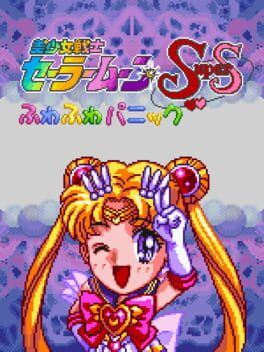
Bishoujo Senshi Sailor Moon Super S: Fuwa-fuwa Panic ("Pretty Soldier Sailor Moon Super S: Floating Panic") is a puzzle game licensed by Bandai that features the various Sailor Guardians, including the new "super" transformations of Usagi Tsukino (Sailor Moon) and Chibi-usa (Sailor Chibi Moon) that debuted in the "Super S" season, which was the name of the fourth season of the anime adaptation.
Puzzle / Arcade / Action / Fantasy
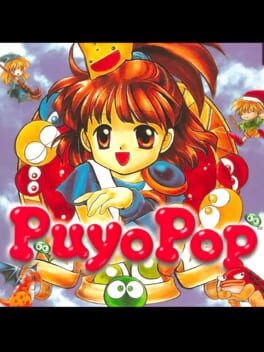
A Neo Geo Pocket port of Puyo Puyo Tsuu, licensed to SNK by Sega, was released in North America and Europe as Puyo Pop. Unlike previous English Puyo Puyo games, the NGPC Puyo Pop retains both the character designs and (almost) all of the character names from the Japanese version. As in the English translations of the first game, Satan is renamed "Dark Prince."
Puzzle / Arcade / Fantasy / Comedy
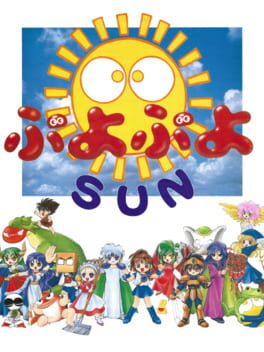
Satan has enlarged the sun in a devious attempt to get a perfect tan. Arle Nadja embarks on a quest to defeat him in this competitive puzzle game. This is the 3rd installment of the Puyo Puyo games series, and the sequel to Puyo Puyo Tsu. After the highly acclaimed success of its predecessor, Compile took a slightly more retro approach, so players had a more original feel to the game over that of Tsu. The name of Puyo Puyo SUN comes from a Japanese pun on san, and also indicates a new Puyo brought into the game. As Sun Puyo were used in this game, and the game itself is not only set on a tropical beach, but is the third in the series (san (三)) is the Japanese word for the number three), the name served multiple purposes. This game was released only in Japan. Following the arcade release, Puyo Puyo Sun was ported to the then-current home consoles. The Saturn version was released merely three months after the arcade release, while the other ports were released in late 1997 and throughout 1998. The Saturn, PlayStation, and Windows 95 versions feature fully voiced cutscenes unlike the original ST-V version.