
Amiga / DOS / Atari ST/STE
Developed by Interplay for Fujitsu Interactive.
Strategy / Turn-based strategy (TBS) / Card & Board Game / Fantasy / Historical
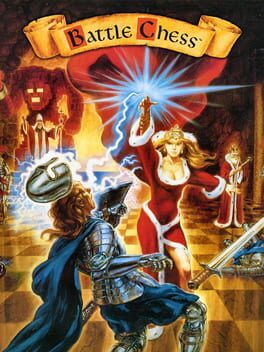
Battle Chess was developed by Interplay as their first project after severing ties with Electronic Arts. They designed it for the Amiga in 1988, and it was released on the majority of the other systems in the late 1980s and early 1990s as well. It was widely successful, and resulted in two follow-ups, many copy-cat games, and a remake for Steam on PC. The only significant criticism the game received was the weak chess AI, as it was not until the mid 1990s that chess ai began to consistently win against strong opponents.
The basic gameplay of Battle Chess remains true to the board game, with the added feature of unique battle animations for each capture. These animations varied for every combination of attack vs defender, making part of the enjoyment of Battle Chess in simply discovering the various animations.
Strategy / Turn-based strategy (TBS) / Card & Board Game / Action / Fantasy
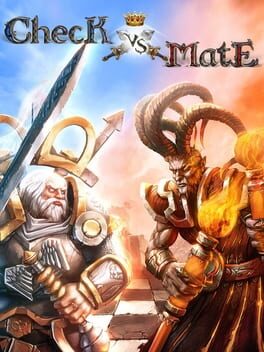
Commanders, assemble your armies! CHECK vs. MATE calls for an interactive feather duster, chartering the successful chess game principle into the present day multimedia world. Animated fantasy figurines assemble in magical worlds and await your command! As a Commander, execute skillful maneuvers on the game board and catapult yourself directly into the battle with devastating attacks, chessman vs. chessman. After a 2012 lawsuit from Interplay Entertainment over IP infringement, "Battle Chess" against "Battle vs Chess", the game and its DLCs/Editions were renamed Check vs. Mate and released digitally in North America. Although the content is the same, the game was given a second listing on Steam for the new title, as Battle vs Chess has Steam trading cards not linked to the NA title. This also lead to their being Steam key differences across online stores for the game and its DLCs/Editions causing some problems at the time.

Role-playing (RPG) / Strategy / Turn-based strategy (TBS) / Fantasy
As a student of Astral the wizard, you and your friends study all the usual subjects: reading, writing, and sword fighting. As your time at school draws to an end, dark events are taking place on the island of Grans. The two Jewels which seal the Door to Darkness have been stolen, allowing a creature of awesome power to be unleashed. Finding where the Jewels were taken, and why, is a task only the bravest of adventurers can undertake.

Role-playing (RPG) / Simulator / Strategy / Fantasy / Historical
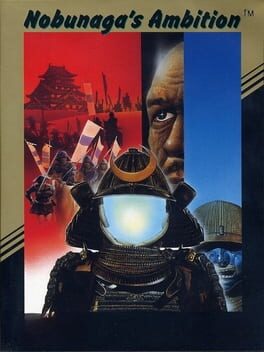
The second game in the series, previously released as Nobunaga's Ambition in the West. Players take on the role of one of the main characters of the period, Nobunaga Oda, Shingen Takeda, Kenshin Uesugi, or others and try to unite the 50 kingdoms of Japan, from Ezo in the north to Kyushu in the south, under their own rule.

Role-playing (RPG) / Strategy / Turn-based strategy (TBS) / Fantasy / Historical
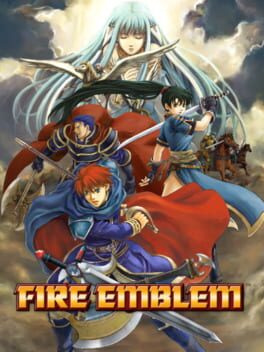
It is the seventh game of the Fire Emblem series, the second game in the series to be released for the Game Boy Advance, and the first to be released in both North America and Europe. It features a prologue storyline designed to introduce newcomers to Fire Emblem gameplay and tactical basics. The overall narrative is a prequel to the events of the previous game, Fire Emblem: The Binding Blade, which is set twenty years later. The game was first released under the localized title "Fire Emblem" in the West, but it was later rebranded as "Fire Emblem: The Blazing Blade" when Fire Emblem Heroes was released.

Role-playing (RPG) / Strategy / Turn-based strategy (TBS) / Fantasy
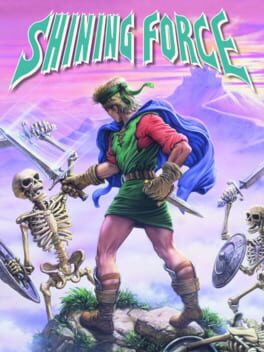
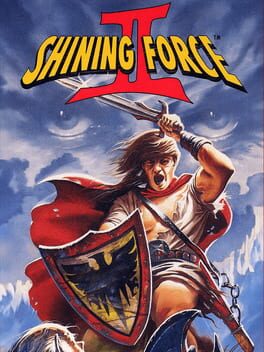
Shining Force is a turn-based tactical RPG. Battles take place in square grids, and each unit occupies 1 square. Units can belong to one of two sides: allies (controlled by the player) or enemies (controlled by the computer AI). Each unit can move up to a fixed amount of squares along the battlefield, determined by its Move statistic. Depending on its location relative to enemies and to allies, a unit also has the option to attack, cast a spell, use an item, search (if adjacent to a treasure chest), or stay and do nothing, all of which end the unit's turn. Some commands, such as equipping or dropping items, don't count as actions, and the character's turn is able to continue. The order of the turns is determined by the unit's agility score and a random seed. Units can use offensive actions, such as physical attacks or offensive magic, only on units belonging to the other side and can use supportive actions, such as healing magic, stat-enhancing magic, and items, only on units belonging to the same side.

Role-playing (RPG) / Strategy / Turn-based strategy (TBS) / Fantasy
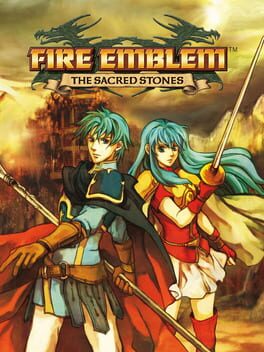
In Fire Emblem: The Sacred Stones, you must help protect the nation of Renais from the invading Grado Empire. Plan your strategy, choose your units, and then lead your soldiers in to battle. The more experience your soldiers gain, the more you can upgrade their abilities. This time, your soldiers can gain experience by fighting new monsters in the Tower of Valni.

Strategy / Turn-based strategy (TBS) / Card & Board Game / Fantasy / Historical
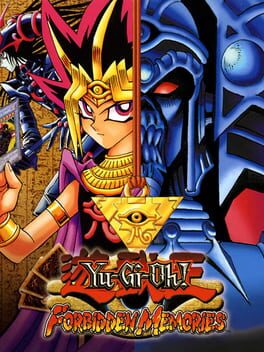
Yu-Gi-Oh! Forbidden Memories is a video game loosely based on the Yu-Gi-Oh! manga and anime series. The storyline takes on a dual setting in Ancient Egypt and current-day Domino City. Players play the Yu-Gi-Oh! Trading Card Game alongside characters that appear in the series.

Role-playing (RPG) / Strategy / Turn-based strategy (TBS) / Fantasy / Historical
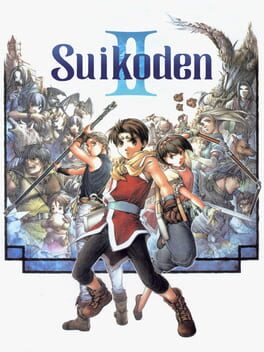
Suikoden II is a role-playing game developed and published by Konami for the PlayStation. Set in a world of warring nations, the game follows a silent protagonist caught between the Kingdom of Highland and the City-States of Jowston. Gameplay combines turn-based party combat, one-on-one duels, and grid-based strategic army battles. Players can recruit over 100 characters, many of whom join the party or contribute to a home base that expands throughout the game. Save data from the original Suikoden can be imported to carry over certain characters and story details.