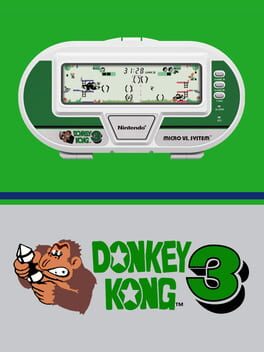

Donkey Kong 3 is a Micro VS. Game & Watch video game released in 1984 by Nintendo. It is one of three multiplayer Game & Watch video games. The model number for Donkey Kong 3 is AK-302, with the AK standing for Attack Kong. The game, while bearing the same title, is entirely different from the arcade game Donkey Kong 3. In this game, one player will control Stanley, and the other will control Donkey Kong. Nintendo manufactured 250,000 units of the game worldwide.

The Atari 2600 port of the hit arcade Donkey Kong differs from the original version in gameplay and has two stages instead of the original four.

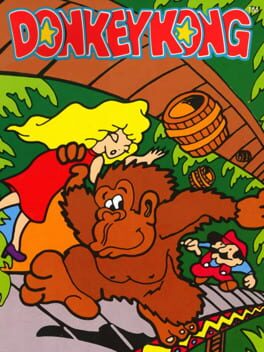
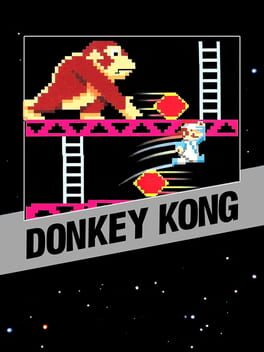
Donkey Kong has kidnapped Pauline, and it is up to Mario, the fearless carpenter, to come to her rescue. Throwing fate to the wind, Mario tries desperately to climb the labyrinth of structural beams from the top of which Donkey Kong taunts him. Help our hero ascend the metal structure by dodging an assortment of fireballs, steel beams, and exploding barrels the angry ape hurls at him. Prepare yourself for a never-ending adventure as Donkey Kong takes Pauline away to the next level every time Mario gets to the top. Based on the arcade game of the same name, this classic will keep hardcore and casual gamers entertained for hours. This Donkey Kong port differs from the arcade game, having only three stages instead of four.

Platform / Sport / Arcade / Action
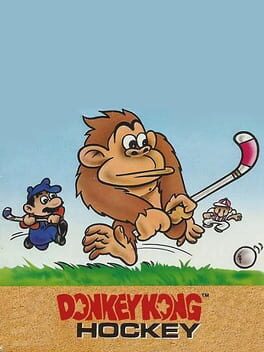
Donkey Kong Hockey is one of the few two-player Game & Watch games ever manufactured. It was released as a part of the Micro Vs. series. Donkey Kong and Mario must engage each other in a two-player game of ice hockey. The game is colorless, being set up on a small LCD screen. The console is an elliptical shape, while the controllers are small and circular; the console can open up to store the controllers.

Platform / Puzzle / Arcade / Action
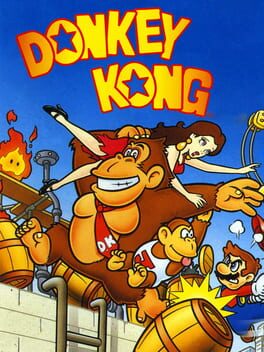
Donkey Kong is a Game Boy game which starts out with the premise of being a straight remake of the original Donkey Kong arcade game. Although at first it appears to be just a port, the familiar levels from the arcade game are just a prelude to the real platform jumping adventure. There are 97 levels spread out over 9 worlds. These levels are much more complex than the originals, featuring scrolling backgrounds, numerous objects to collect, and enemies to avoid. Along the way, you will encounter several boss style battles with Donkey Kong, as well. When played on a Super Game Boy, the game is colorized, digitized speech is added and the ending music takes advantage of the SNES sound chip.

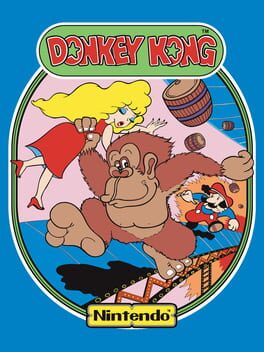
Donkey Kong is not only Nintendo's first real smash hit for the company, but marks the introduction for two of their most popular mascots: Mario (originally "Jumpman") and Donkey Kong. The game is a platform-action game that has Mario scale four different industrial themed levels (construction zone, cement factory, an elevator-themed level, and removing rivets from girders) in an attempt to save the damsel in distress, Pauline, from the big ape before the timer runs out. Donkey Kong is also notable for being one of the first complete narratives in video game form, told through simplistic cut scenes that advance the story.

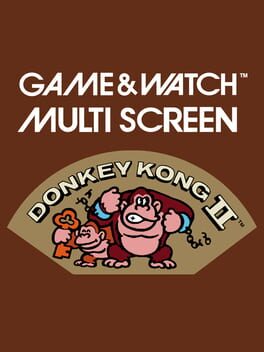
Donkey Kong II was developed by Nintendo R&D1 and released as part of the Game & Watch Multi Screen series, featuring two LCD screens. It was released in 1983. Donkey Kong Jr. has to touch a key, then it moves up to the top screen. Donkey Kong Jr. has to climb to the top screen while avoiding things such as electrical wires. When he gets to the top screen, Donkey Kong Jr. will have to touch the key again, and it will move to the keyhole of one of the chains. Donkey Kong Jr has to climb up the rope below the keyhole, while avoiding birds. When he gets to the top of the rope, one of the chains will unlock. He has to do this 4 times until he saves Donkey Kong. After that, the game will start over, at a somewhat faster pace.

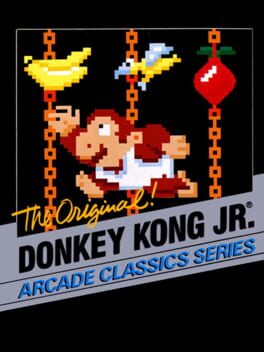
Donkey Kong Jr. for the Nintendo Entertainment System is one of the most recognizable ports of the original arcade game, being re-released and ported many times.