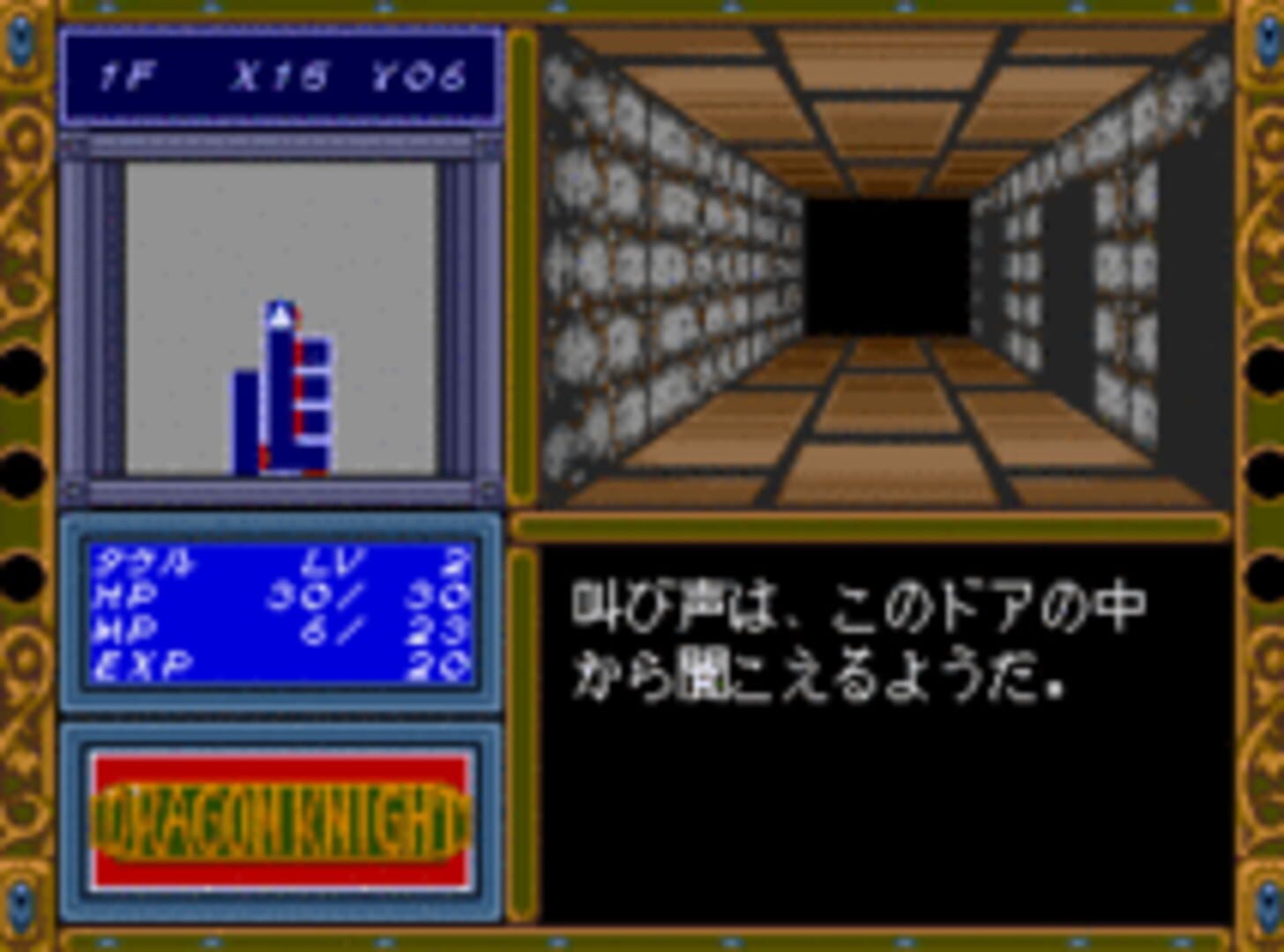
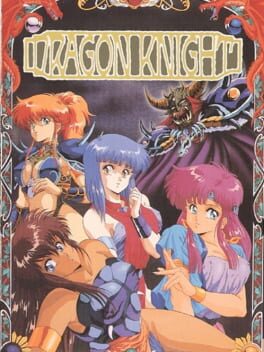

The Dragon Master, Darklarza, has been terrorizing the kingdom for many years. The king was forced into exile by this threat. He retreated, with the bravest knight in the kingdom, named Garaden. Darklarza stages an attack on the king's fortress, breaks in and manages to abduct the royal princess. Garaden sets off to vanquish Darklarza and rescue the princess. Dragon Knight marked the beginning of Elf's erotic RPG series. The game is played entirely from a first-person perspective. In the town, you move around by selecting destinations from a menu. Once you enter the tower, you navigate your character through 3D mazes, fighting random enemies in turn-based combat. Enemies in the game are scantily clad, attractive young women; there are also several scenes with explicit nudity.
In the kingdom of Strawberry Fields, a place inhabited only by women, the Goddess' Tower has protected the land and its people for generations. Then one day, the monstrous Dragon Knights, corrupted by evil and led by the demon Gazelbaan, descended upon the tower, and the people of Strawberry Fields suddenly find themselves threatened by his army of monsters, who have turned the goddess Aquarina to stone and captured the warrior women, demanding the six gems that are a source of magical power of the goddess to be delivered to them or else they would kill their hostages. Answering the plea for help from Queen Luna, the young warrior and traveler Yamato Takeru takes them on.
Role-playing (RPG) / Visual Novel / Action / Fantasy
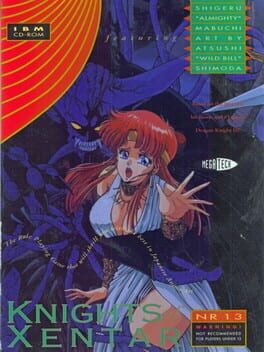
Dragon Knight III is an eroge role-playing video game released on many Japanese PCs in 1991. It is part of the Dragon Knight series of games created by Japanese game developer ELF, who originally released the game for the NEC PC-9801 computer in 1991, followed by ports for the Sharp X68000 and PC Engine CD platforms. The game is a sequel of Dragon Knight and Dragon Knight II. Its gameplay system is different from that of previous installments of the Dragon Knight series, resembling this of the early Final Fantasy (even more in the PC version) series instead of first-person-view dungeon crawler, and enabling the player to explore the entire world of the game. Some of the characters were renamed in the English and German localized Knights of Xentar release, including the protagonist Takeru's name changed to Desmond.

Role-playing (RPG) / Adventure / Visual Novel / Action / Fantasy
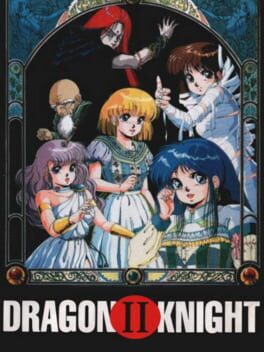
Dragon Knight II is the predecessor to Knights of Xentar, the only Dragon Knight game that was ever translated into English. This is a first-person game that is mainly dedicated to dungeon exploring. Takeru has to explore the three dungeons, fighting enemies and sometimes talking to dungeon inhabitants. The enemies are the girls who were turned into monsters by Mesaana. In town, Takeru can also buy weapons, armor, and items, and talk to various people.

Point-and-click / Role-playing (RPG) / Adventure / Fantasy / Comedy
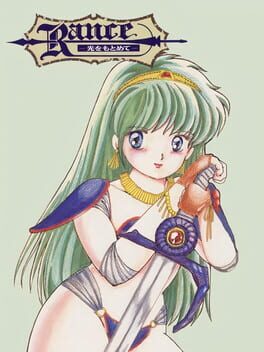
Rance: Hikari Quest is an exploration game in which you play as Rance as he takes on the mission to go and save Hikari, a girl who has been kidnapped.

Point-and-click / Role-playing (RPG) / Adventure / Fantasy / Comedy
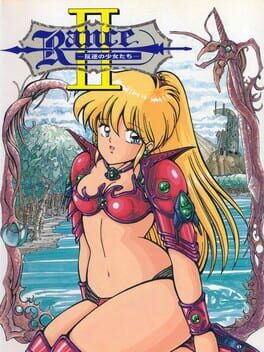
Rance II: The Rebellious Maidens is the second game of the Rance Series, remade in 2009 and released in Alice 2010. The game is a turn-based dungeon crawler RPG with a top-down interface. Throughout the game, Rance may gain new party members, though further customization, such as organizing equipment, are unavailable for some.

Role-playing (RPG) / Adventure / Visual Novel / Action / Comedy
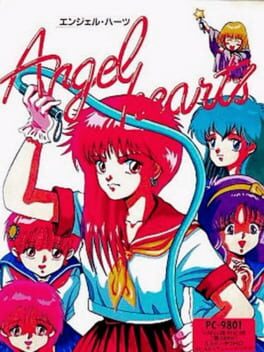
Angel Hearts is a dead simple RPG developed by ELF in 1989. The gameplay resembles that of "dungeon crawlers", meaning that there are no friendly areas; though the view for exploration is top-down rather than first-person (which is reserved for the turn-based battles). The gameplay mechanics are mostly confined to fighting random enemies and earning enough experience points to go up a level and standing a chance against the next "boss" enemy. There is no equipment system, and battle commands are restricted to "Attack", "Escape", and "Item".

Role-playing (RPG) / Adventure / Action / Fantasy
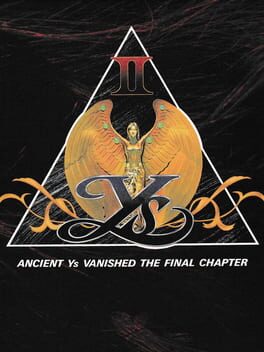
Ys II: Ancient Ys Vanished - The Final Chapter is a direct sequel to Ys I: Ancient Ys Vanished - Omen. The game continues to use the action role-playing combat style of the first installment, which requires the player to have the protagonist run into the enemy to deal damage, without needing to press an attack button. The player should carefully choose the angles and the degree of contact with the enemy; otherwise, the hero will be killed. The player character can (and should) level up, perform quests for village people, gather money, and upgrade weapons and inventory, like in most other RPGs. The sequel offers a longer quest than the first installment and adds a magic arsenal to Adol's abilities. Among the magic spells are a fire attack, a time-stopping spell, and a transformation ability that allows Adol to pass for a monster and converse with enemies. Magic spells deplete Adol's magic points bar.

Role-playing (RPG) / Adventure / Visual Novel / Action / Thriller
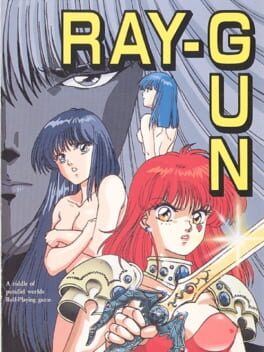
Ray Gun is a traditional Japanese RPG, with top-down navigation, random turn-based battles viewed from first-person perspective, etc. The combat is usually between the player's steroids and enemy ones. Steroids can attack normally or execute special techniques. Many cut scenes feature nudity.

Role-playing (RPG) / Strategy / Turn-based strategy (TBS) / Action / Fantasy
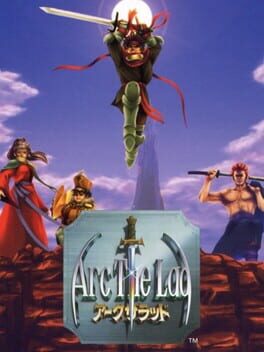
Arc the Lad is a tactical role-playing video game developed by G-Craft for the PlayStation and is the first game in the Arc the Lad series. It was released in 1995 in Japan, and released in North America on April 18, 2002, as part of Arc the Lad Collection. The Japanese released was published by SCEI, while the North American release was published by Working Designs. It was the best-selling Japanese PlayStation game of 1995 with over a million copies sold. Arc the Lad was followed by two direct sequels and many games that make up the series.