Sega Master System/Mark III / Arcade / Commodore C64/128/MAX
Developed by Sega AM2 for Activision.
Fighting / Hack and slash/Beat 'em up / Arcade / Action / Comedy
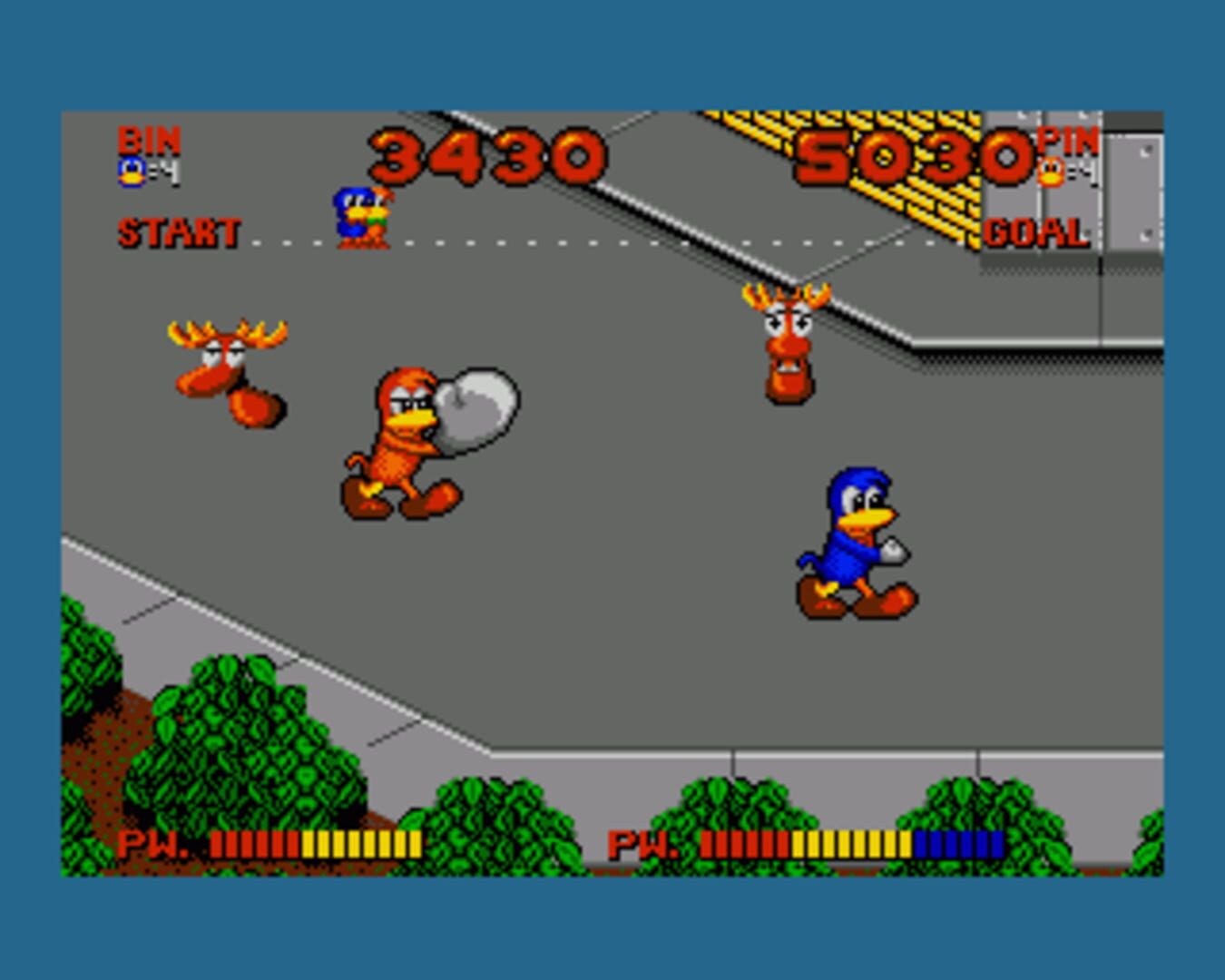
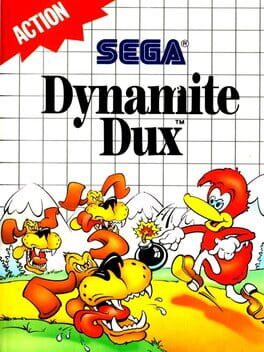
Side-scrolling beat 'em ups in which you must rescue a trapped female friend are nothing unusual. Where this one stands out, however, is the setting of your character as a duck called Bin, and with motion having a clear waddling appearance. The enemies to fight are all from the animal kingdom, but somewhat warped - crocodiles with boxing moves and cows armed with rocket packs for example. Bin has six levels to clear before he can rescue Lucy from Archaca's clutches.

Fighting / Hack and slash/Beat 'em up / Arcade / Action / Comedy
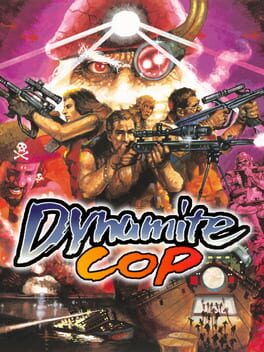
A beat 'em up video game published by Sega and initially released in arcades on Sega Model 2 hardware. It is the sequel to the 1996 game, Dynamite Deka which was released outside Japan as Die Hard Arcade. The game was ported to the Dreamcast and released internationally in 1999, this time without the Die Hard license. A third sequel, Asian Dynamite, was released only in arcades.

Fighting / Hack and slash/Beat 'em up / Adventure / Action / Comedy
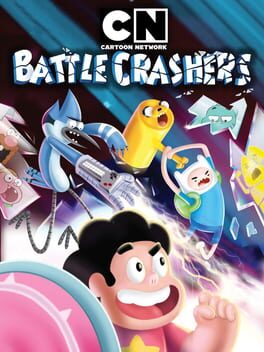
A cancelled DS port of Cartoon Network: Battle Crashers.

Fighting / Hack and slash/Beat 'em up / Arcade / Action / Comedy
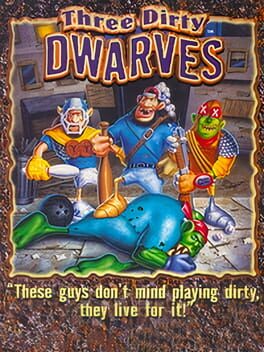
Four genetically altered geeks have opened the trans-dimensional gates to reality and summoned a rag-tag posse of filthy orc dwarves to rescue them from their maniacal captor. Run amuch with up to 3 players, through over 20 hard-hitting whacko worlds of car-tooney ghettos and freaked-out bosses!

Fighting / Hack and slash/Beat 'em up / Indie / Action / Comedy
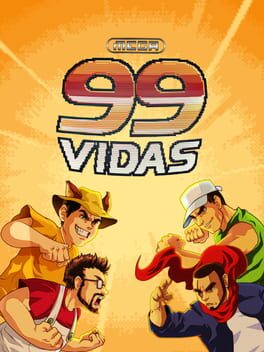
Mega 99Vidas is a port of the beat 'em up for the Sega Genesis/Mega Drive.

Fighting / Hack and slash/Beat 'em up / Arcade / Action / Fantasy
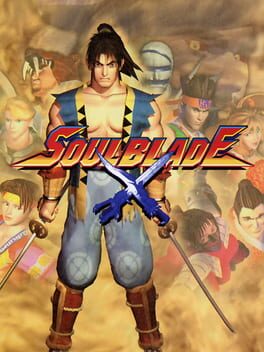
The console version of Soul Edge adds more content to the original arcade game such as new characters and additional game modes. Added features - The inclusion (besides the standard "Arcade" mode) of "VS", "Survival", "Team Battle", "Time Attack" and "Training" modes. - A new RPG-styled mode called "Edge Master Mode". - Seven extra weapons per character, which have different designs and statistics. - The original ten selectable characters received a new PlayStation-exclusive costume.

Fighting / Hack and slash/Beat 'em up / Arcade / Action / Fantasy
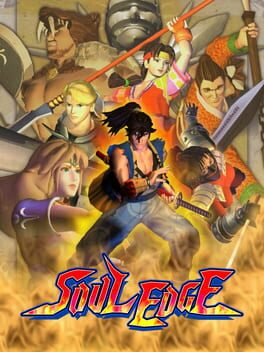
Soul Edge is a 3D arcade fighting game and the first in the Soul series, it is one of the first 3D fighting game in history that place a particular emphasis on the story of the fighters. Each character have their own weapon, allowing for a wide range of play styles. The slower, longer ranged characters try to deliver their heavy blows from a distance whereas the quicker, faster characters try to get in as close as possible and deliver quick-hitting attacks.

Fighting / Hack and slash/Beat 'em up / Adventure / Action
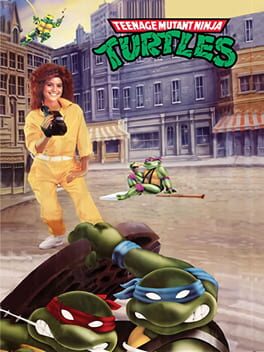
NOTE: This is the original 4-Player Arcade release, not the NES Title. The player chooses from one of the four Ninja Turtles: Leonardo, Michelangelo, Donatello, and Raphael. After Shredder kidnaps the Turtles' friend April O'Neil and their mentor Splinter, they must give chase, save their comrades, and defeat the evil Shredder. The player chooses from one of the four Ninja Turtles: Leonardo, Michelangelo, Donatello, and Raphael. Depending on the version of the game, the characters are either, chosen at the start of the game or assigned by control panel. After Shredder kidnaps the Turtles' friend April O'Neil and their mentor Splinter, they must give chase, save their comrades, and defeat the evil Shredder. Up to four players (two in some versions) can take control of any of the Turtles. Donatello has slower attacks but a longer range, Michelangelo and Raphael have faster attacks but a shorter range, and Leonardo is a well-rounded Turtle with average range and speed. The eight-way joystick controls the movements of the Turtle, the jump button makes them jump and the attack button makes them hit in front of them using their weapon. In addition to this, some combinations are possible. The Turtles can throw Foot soldiers overhead, and by pressing the jump and attack buttons, a special attack is performed. Raphael rolls along the ground and finishes with a kick, while the other Turtles do a sweeping jump attack with their weapons. Turtles can also spring off the wall in certain areas. Enemies can be defeated more quickly by slamming them into walls or solid objects. Many objects such as traffic cones, parking meters, fire hydrants and exploding oil drums can be hit or damaged with attacks in order to help defeat nearby enemies. In the attract mode, the game showed the first part of the cartoon opening, along with a portion of the Teenage Mutant Ninja Turtles theme song. Most of the enemies the Turtles face are the Foot Soldiers, all color-coded to indicate their attack patterns and weapon of choices. Some enemies, such as the standard purple-clad Foot Soldiers and Roadkill Rodney robots, have the ability to restrain the Turtles' mobility and drain their health, leaving the player open to attack for other enemies. The bosses in the game include Rocksteady and Bebop (individually at first in that order, and later the two of them together), Baxter Stockman, Granitor, General Traag, Krang, and Shredder himself.
Fighting / Hack and slash/Beat 'em up / Adventure / Action
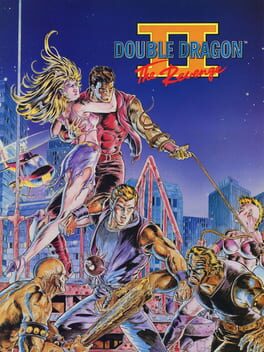
The original arcade version of "Double Dragon II" is essentially an improved version of the first game. The biggest change in the game's controls are in the replacement of the original's punch and kick buttons with two directional-based attack buttons (Left Attack and Right Attack) similar to Renegade. Pressing the attack button of the player's current direction will do a standard series of punches, while pressing the opposite attack button will perform a back kick. A few new moves are added as well, including a Hurricane Kick. Like in the original game, the arcade version of Double Dragon II is divided into four missions: a heliport, a lumber storehouse, a wheat field, and the new hideout of the boss. Each stage has its own boss character with his own theme. After defeating Willy (the final boss from the original game) in the fourth stage, the player will confront a double of their own character for the game's final battle. If two players reach the end together, then both will each to have to face their own clone for the final battle.