

A pinball simulator released as built-in game in some Sega Mega Drive consoles by Tectoy.
Screenshots
Featured in
A pinball simulator released as built-in game in some Sega Mega Drive consoles by Tectoy.
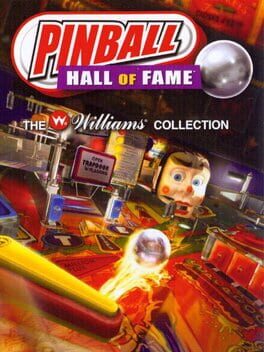
Pinball Hall of Fame: The Williams Collection faithfully recreates eight of the most memorable tables from the golden age of pinball in photorealistic 3D. Working closely with Williams to ensure authenticity of each of the games, the collection is highlighted by some of the most popular and innovative Williams pinball tables, including Gorgar, the first-ever talking pinball machine, Black Knight, which introduced "Magna-Save" and Bonus Ball, and Space Shuttle, which took the pinball industry by storm in 1984. Every table has been meticulously recreated to bring players the visuals, sound effects and gameplay that made these games legendary successes. Pinball Hall of Fame: The Williams Collection harkens back to the arcades of the 1980s. Players begin Pinball Hall of Fame: The Williams Collection with access to four pinball tables, and the remaining four tables are unlocked as the game progresses. Players can spend as little as two minutes on a quick pinball challenge, or delve deeper into the game, gaining rewards in a token-based system as they unlock each of the pinball tables. Single-player Arcade and Challenge modes provide hours of solo entertainment, and a Multiplayer mode lets players face each other head-on.
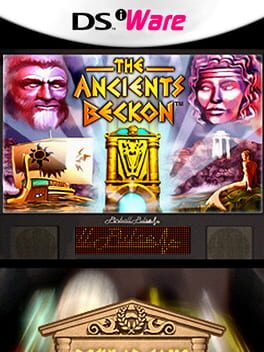
Pinball Pulse: The Ancients Beckon is a pinball game on the Nintendo DSiWare service by Fuse Games. The game has a single table Regular and Daily Game mode in a Greek Mythology theme.

Simulator / Pinball / Arcade / Action / Kids
Worms Pinball is a pinball simulation game set within the Worms franchise. The game features a single pinball table themed around two main modes, one inspired by martial arts and the other by a Western setting. Players control a pinball table that incorporates multiple objectives, rule sets, and sub-games presented through a three-dimensional LED display. The table includes transparent ramps, moving mechanical components, user-controlled elements, and magnetic fields. Gameplay mechanics replicate standard pinball techniques such as tilt functions, hit combinations, ball control maneuvers, and recovery actions. The table contains a large number of animated elements and extensive rendered animation sequences used for the LED display. Sound effects and music are integrated to accompany gameplay events. The design emphasizes depth through layered objectives and complex table rules, supporting extended play for both casual and experienced pinball players.
Pinball / Science fiction / Horror
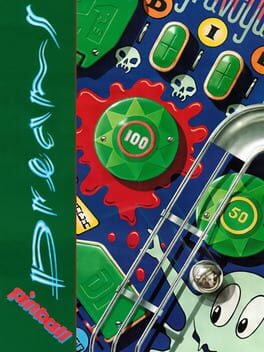
DICE’s first game was built by five friends from the Amiga demo group The Silents in their spare time. What started out as a demo idea soon became a full-fledged pinball simulation published by 21st Century Entertainment with the Amiga as the primary platform. Pinball Dreams captivated gamers and quickly became a cult hit.

Simulator / Pinball / Arcade / Action
After the success of Pinball Dreams on several systems, a sequel featuring four new tables was created. The gameplay is much the same as the first game, with realistic physics, multi-player options and a high score table to aim for. The tables are Partyland, Speed Devils, Billion Dollar Gameshow and Stones 'n' Bones, taking in a funfair, racing cars, a tacky game-show, and a graveyard. Each one has a range of ramps, combos, light sequences and targets to shoot, as well as general themes which are less influenced by real tables than those in Pinball Dreams.
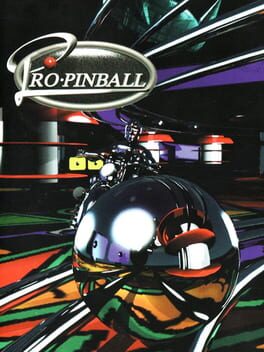
The first game in the Pro Pinball series that includes one table, The Web.
Pinball / Adventure / Arcade / Action
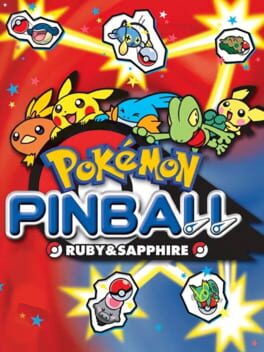
Pokemon Pinball has all the features you'd demand of a pinball game, including bonus tables, lots of bumpers and ways to score massive points. As with your standard videogame pinball game, the left button on the D-pad and the A-button control the flippers with the R/L triggers used to shake the table. The catch here is that everything is themed in Pokemon. Instead of a ball, you make use of a Pokeball. Instead of standard bumpers, you're hitting the Pokeball against other Pokemon, and the ultimate goal is of course to "catch 'em all". The game features 200 Pokemon, two main tables, and link cable support.

Psycho Pinball is a 1994 pinball video game published and developed by Codemasters, released for the Sega Mega Drive in the United Kingdom, and MS-DOS personal computers in the United States and Europe.