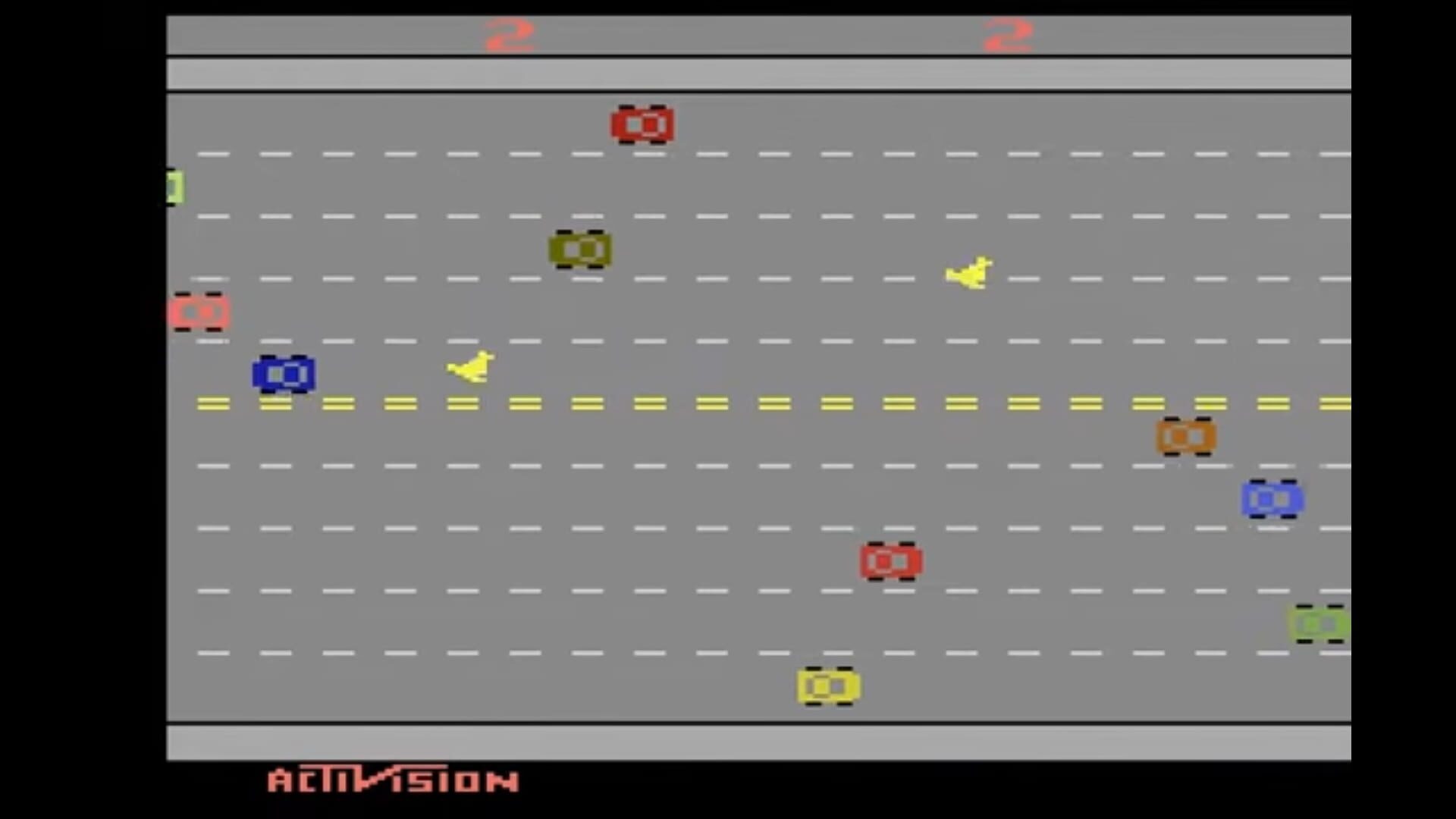
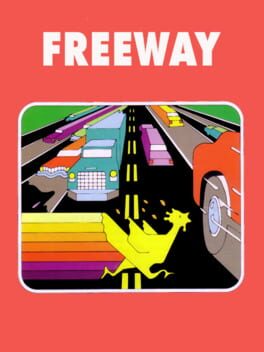

Freeway is a video game designed by David Crane for the Atari 2600 video game console. It was published by Activision in 1981. One or two players control chickens who can be made to run across a ten lane highway filled with traffic in an effort to "get to the other side." Every time a chicken gets across a point is earned for that player. If hit by a car, a chicken is forced back either slightly, or pushed back to the bottom of the screen, depending on what difficulty the switch is set to. The winner of a two player game is the player who has scored the most points in the two minutes, sixteen seconds allotted. The chickens are only allowed to move up or down. A cluck sound is heard when a chicken is struck by a car. Comparisons are often made to Frogger, which has also features crossing a street filled with moving vehicles. Similarities did help sales when Frogger was popular in the arcades and a home version was not yet available. Freeway was made available on Microsoft's Game Room service for its Xbox 360 console and for Windows-based PCs on August 18, 2010.
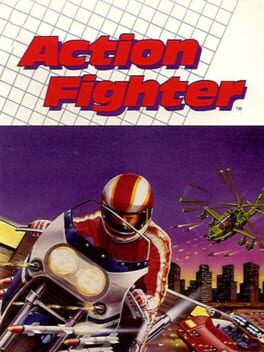
Shooter / Racing / Arcade / Action / Science fiction
Take to the streets or take to the skies. Because Action Fighter is the incredible, transformable combat vehicle. You start out on a customized cycle. Built with enough speed and power to jump over water and overtake enemies. Then, by finding the right parts along the way, you'll change your cycle into a supercharged, state-of-the-art sports car. Next, add two turbojets to make your car airborne. And take to the skies. Down hyped-up helicopters and jet spaceships from above. And no matter which vehicle you're manning- or who you're after- get ready to stand by for action!

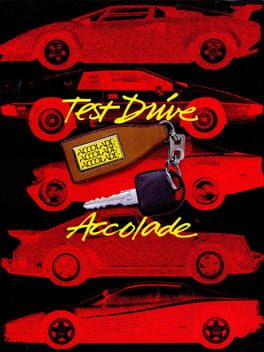
Racing / Simulator / Arcade / Action / Non-fiction
After you choose a car, you have to drive as fast as possible without crash and without getting caught by the cops. You are equipped with the radar detector so you are informed about the approaching trouble.

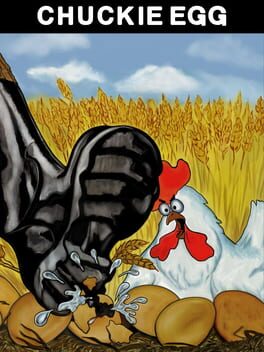
Chuckie Egg is an action platformer featuring a turn-based multiplayer mode. As Hen-House Harry, the player must collect the twelve eggs positioned in each level, before a countdown timer reaches zero. In addition there are piles of seed which may be collected to increase points and stop the countdown timer for a while. The player starts with five lives, and an extra life is awarded every 10,000 points.

Simulator / Pinball / Arcade / Action
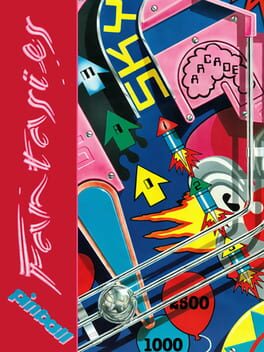
After the success of Pinball Dreams on several systems, a sequel featuring four new tables was created. The gameplay is much the same as the first game, with realistic physics, multi-player options and a high score table to aim for. The tables are Partyland, Speed Devils, Billion Dollar Gameshow and Stones 'n' Bones, taking in a funfair, racing cars, a tacky game-show, and a graveyard. Each one has a range of ramps, combos, light sequences and targets to shoot, as well as general themes which are less influenced by real tables than those in Pinball Dreams.

Platform / Adventure / Arcade / Action / Science fiction
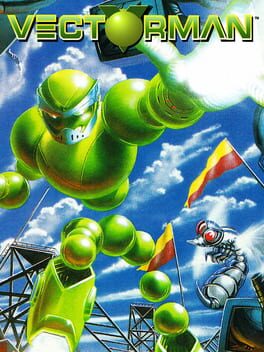
By the year 2049, Earth has been turned into a toxic waste dump. Humankind has fled into space leaving behind an army of mechanized “Orbots” to clean up the mess. But when the Orbot leader “WarHead” goes haywire and starts a global revolt against the humans, it falls on the shoulders of the last Orbot loyal to its human masters to save the planet.

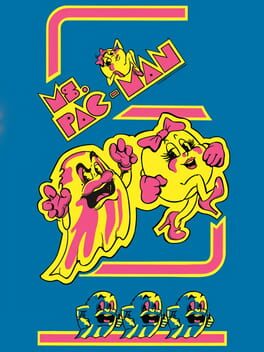
In 1982, a sequel to the incredibly popular Pac-Man was introduced in the form of his girlfriend, Ms. Pac-Man. This sequel continued on the "eat the dots/avoid the ghosts" gameplay of the original game, but added new features to keep the title fresh. Like her boyfriend, Ms. Pac-Man attempts to clear four various and challenging mazes filled with dots and ever-moving bouncing fruit while avoiding Inky, Blinky, Pinky and Sue, each with their own personalities and tactics. One touch from any of these ghosts means a loss of life for Ms. Pac-Man. Ms. Pac-Man can turn the tables on her pursuers by eating one of the four Energizers located within the maze. During this time, the ghosts turn blue, and Ms. Pac-Man can eat them for bonus points. The Energizer power only lasts for a limited amount of time, as the ghost's eyes float back to their center box, and regenerate to chase after Ms. Pac-Man again. Survive a few rounds of gameplay, and the player will be treated to humorous intermissions showing the growing romantic relationship between Pac-Man and Ms. Pac-Man, leading all the way up to the arrival of "Junior".

Pac-Man is a 1980 maze action video game developed and released by Namco for arcades. It is considered one of the classics of the medium, virtually synonymous with video games, and an icon of 1980s popular culture. Players control Pac-Man, who must eat all the dots inside an enclosed maze while avoiding four colored ghosts. Eating large flashing dots called Power Pellets causes the ghosts to temporarily turn blue, allowing Pac-Man to eat them for bonus points.