
Developed by Square Enix.
Role-playing (RPG) / Turn-based strategy (TBS) / Science fiction / Warfare
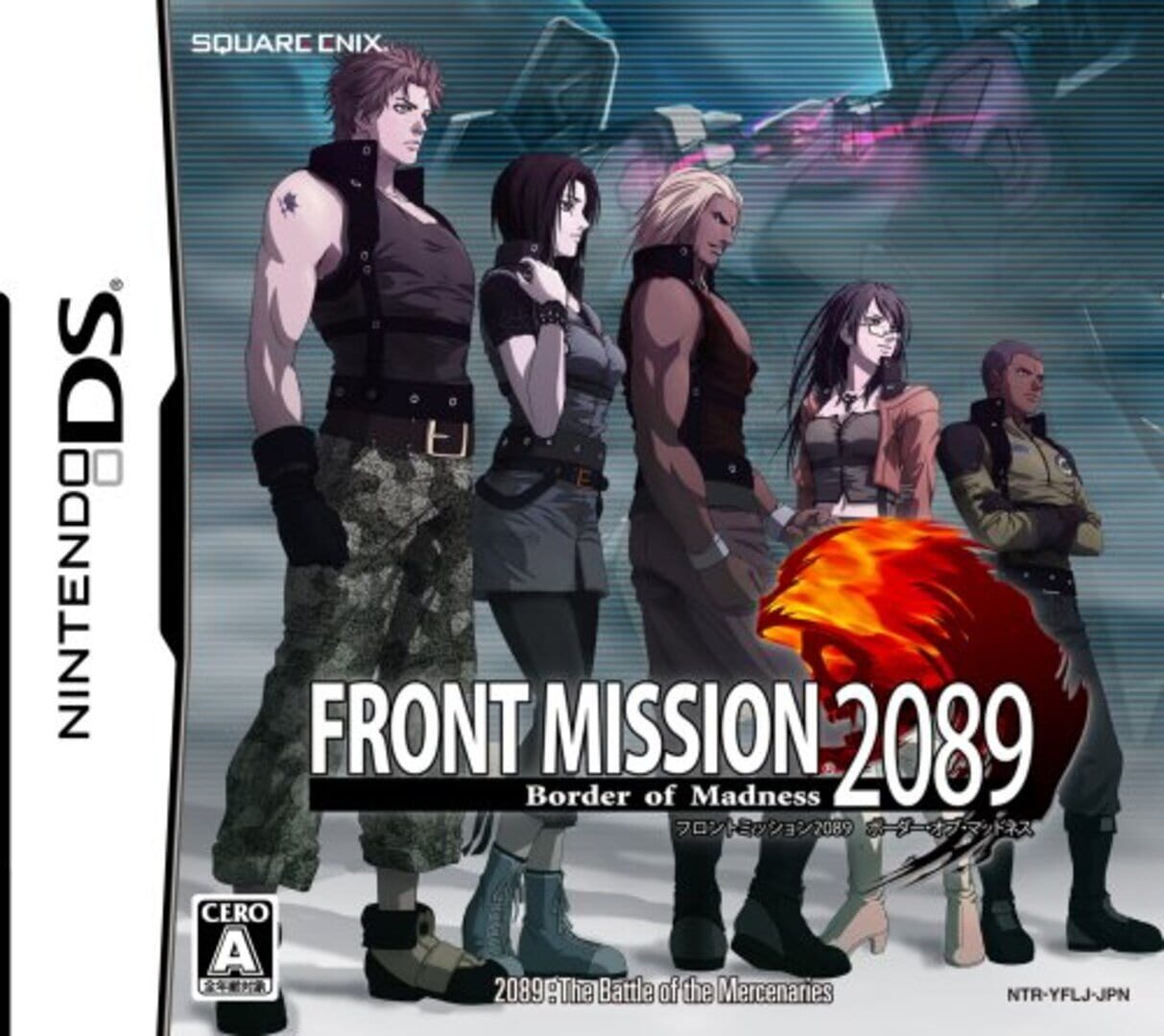
In fall 2007, Square Enix Co., Ltd. announced that it would be creating a remake of Front Mission 2089 on the Nintendo DS and named it Front Mission 2089: Border of Madness. The games producer Koichiro Sakamoto indicated that a survey of the series fans showed that most did not play games on their cell phones, and so Square Enix decided to bring it to the Nintendo DS. This remake of Front Mission 2089 featured completely remade visuals, new character artwork, new cut-scene events, a rewritten story, new game scenarios, and new battle maps. Also incorporated in the game were touchscreen features and a revised interface for more intuitive touchpad controls. Likewise, various game play mechanics from other Front Mission entries such as armor coating and linked attacks were added to Front Mission 2089: Border of Madness. Multiplayer mode had to be dropped due to space issues on the Nintendo DS.
Set in 2089, the story of Front Mission 2089 takes place on Huffman Island one year before the 2nd Huffman Conflict. A series of skirmishes across Huffman Island in 2086 causes chaos on the island. The O.C.U. and U.S.N. send in peacekeeping forces on their respective sides of the island to quell the violence. This conflict, known as the "Huffman Crisis", increased tensions between the two supranational unions. By 2089, both super-states increase their military presence on the island and begin hiring mercenaries from all over the world. These mercenaries were then sent on espionage and reconnaissance operations around Mail River - the border that divides the O.C.U. and U.S.N. territories on Huffman Island.
Role-playing (RPG) / Strategy / Turn-based strategy (TBS) / Science fiction / Warfare
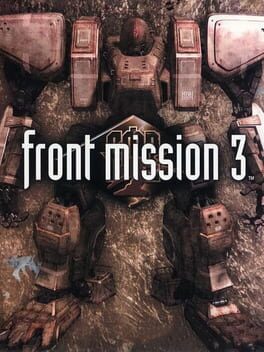
Front Mission 3, also known in Japan as Front Mission Third, is a tactical role-playing game developed and published by Square for the PlayStation. It was released in Japan in 1999, and North America by Square Electronic Arts and Europe in 2000. Front Mission 3 is the third main entry and the fifth entry overall in the Front Mission series. Like other Front Mission titles, Front Mission 3 is part of a serialized storyline that follows the stories of various characters and their struggles involving mecha known as wanzers. Front Mission 3 was the first title in the Front Mission series to be released in North America, Europe and Australia.

Role-playing (RPG) / Turn-based strategy (TBS) / Tactical / Science fiction / Warfare
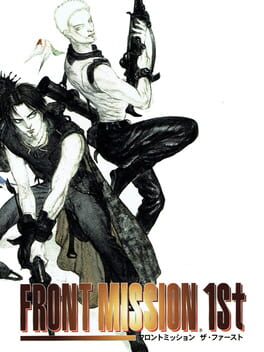
Originally released in 1995 on the Super Famicom, Square revisits their 16-bit heyday and updates Front Mission for a new legion of fans. Played on isometric grids, various mecha from your Canyon Crow attack squad are arrayed against opposing armies. Move, encounter and fight are the generics of the game but weapon and armor upgrades also factor in the game where your crew gets upgraded to higher levels of performance. The menus, stats, and weapon upgrades in the game are entirely in English which makes Front Mission very easy to get into for importers. The storyline and conversations are in Japanese but the scrolling account after the first battle tells of the new conflict between the OCU (Southern Asia Oceana Community Union) and the USN (United States of New Continent).

Role-playing (RPG) / Simulator / Turn-based strategy (TBS) / Fantasy / Science fiction
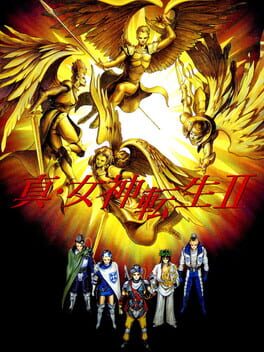
Fifty years have passed since the hero of Shin Megami Tensei followed the neutral path, defeated the leaders of Law and Chaos, and founded a state where followers of both ideologies could live freely. But his reign of freedom doesn't last long. The Messian faith gains power, expanding the Cathedral into a new enclosed environment named Tokyo Millennium. The Gaians rise up, but their rebellion is repressed by the Messians' elite warrior class, the Temple Knights. People flock into the encapsulated city, submitting themselves to the strict hierarchy imposed by the Messian Center, where only the privileged living in the Center district are safe from demonic assaults. A few years later, a retired arena fighter Okamoto rescues a man named Hawk, who was fighting for his life against a demon. He trains him to fight in the arena of the Valhalla district, hoping that he would win the tournament, which will grant them both citizenship in the Center district. When Hawk succeeds, he is brought before a Messian bishop, and learns the shocking truth about his own origins and the role he is supposed to play in the grand scheme of events. A new battle for a better future begins. Shin Megami Tensei II retains all the gameplay features of the previous game. The player is able to summon demons, fuse them to create more powerful ones, make them participate in battles, talk to random enemies and receive information from them, etc. The combat is turn-based, and the player explores the complex, maze-like dungeons from a first-person perspective view. Like in the first game, the Law, Chaos, and Neutral alignments play an important role: during the course of the game, the player will have to make choices that influence the alignment of the protagonist, steering the storyline into different directions. New features include a "magic succession" system, which allows demons to carry over their original magic spells when they are fused into new ones, a few additional spells and abilities, and the possibility to play at the casino and win unique items.

Role-playing (RPG) / Turn-based strategy (TBS) / Tactical / Science fiction / Warfare
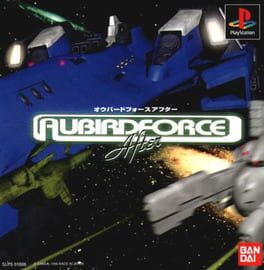
The sequel to Aubirdforce, once again navigate tactical space warfare in a 3-dimensional grid.

Role-playing (RPG) / Strategy / Turn-based strategy (TBS) / Science fiction
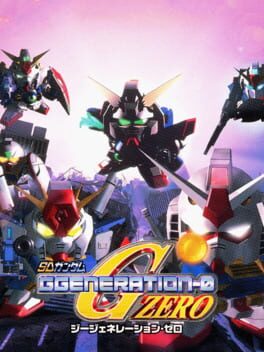
The second Gundam G Generation game is a strategy roleplaying game starring super-deformed (SD) versions of the anime heroes. Features MS08, 0083 Stardust Memory, Z Gundam, ZZ Gundam, Gundam Sentinel, Gundam F-91, V-Gundam, and other storylines. Players move units across hexagonal fields and battle enemies based on a variety of data, including height on map, suit stats, and more. Units gather experience in battle and can be leveled up to become even stronger. SD Gundam G Generation-0 was released for the Japanese PlayStation in 1999 and later re-released in the cheaper "Bandai the Best" product line.

Role-playing (RPG) / Turn-based strategy (TBS) / Science fiction
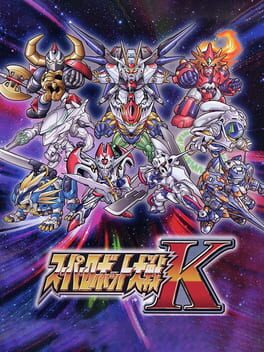
Released in 2009 on Nintendo DS.

Role-playing (RPG) / Strategy / Turn-based strategy (TBS) / Science fiction
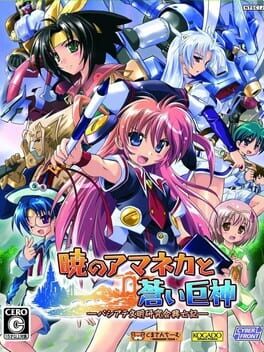
A visual novel and turn-based strategy hybrid originally released for the PC and later ported to the PSP and Xbox 360.

Role-playing (RPG) / Strategy / Turn-based strategy (TBS) / Science fiction
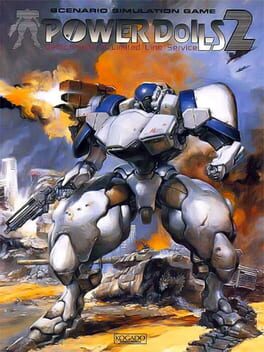
Sequel featuring additional management complexities but otherwise follows similar turn based strategy approach through a mission by mission format of the original Power Dolls game.