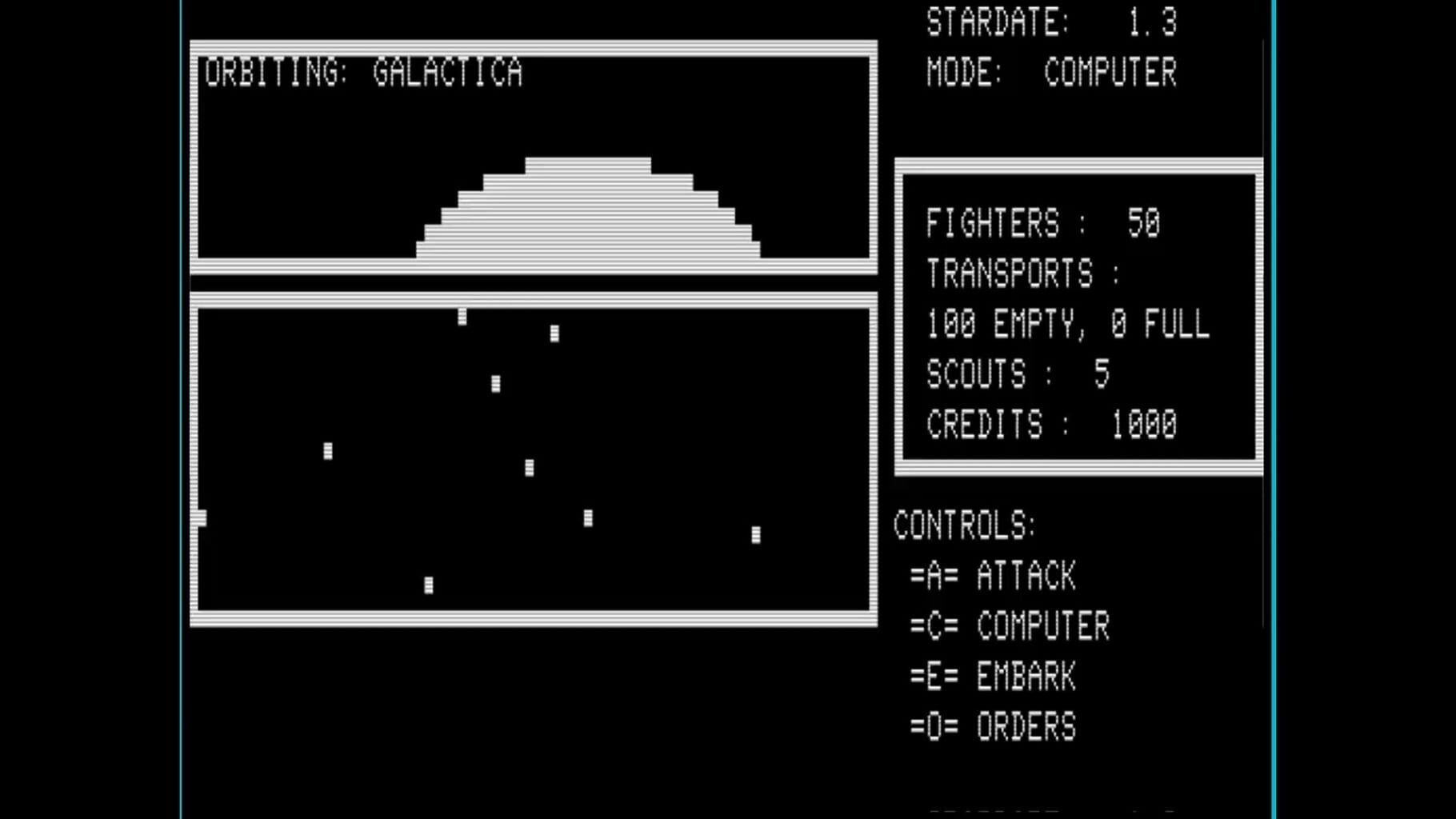
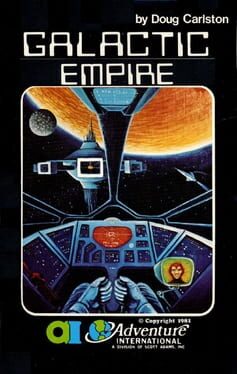
Galactic Empire is a strategy video game. It is the first game in the Galactic Saga and the first game published by Brøderbund which was, in fact, created for the purpose of publishing the game.
Screenshots
Featured in
Galactic Empire is a strategy video game. It is the first game in the Galactic Saga and the first game published by Brøderbund which was, in fact, created for the purpose of publishing the game.
Simulator / Strategy / Adventure / Action / Science fiction
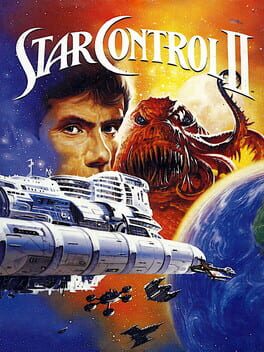
Star Control II, the sequel to the original Star Control, is a space adventure game that features role-playing elements alongside a 2D space ship melee combat system. The player assumes the role of The Captain of a single starship wandering a detailed environment of solar systems, gradually gathering information and resources in order to defeat a mysterious and implacable enemy.
Simulator / Strategy / Turn-based strategy (TBS) / Action / Science fiction
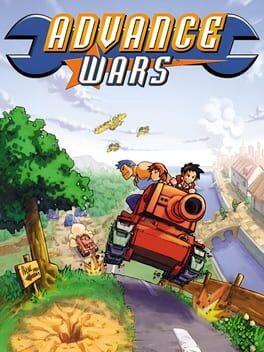
Just because this battle fits in the palm of your hand doesn't mean the stakes are small. On the contrary, this all-or-nothing fight will have you accessing guns, grenades, launchers, and weaponry of all sorts. Players assume command of an army that's out to reclaim a world that's been broken up by warring factions. The battle map is essentially a grid, and moving units is like moving chess pieces on a board -- each of the units can move a specific amount of spaces within this grid, and can only attack at a certain distance from specific enemies. Advance Wars features more than 115 maps, a map editor, head-to-head play via link cable, and an easy-to-understand tutorial mode for beginners.
Simulator / Strategy / Turn-based strategy (TBS) / Action / Science fiction
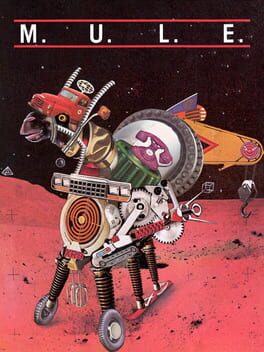
M.U.L.E. is about four hopeful explorers trying to make a fortune on a virgin planet. This is done by producing various goods (Food, Energy, Smithore, Crystite). Each of these goods have their uses: if you don't have enough food, you will have less time during your turn. If you don't have enough energy, your output will be lower. If enough smithore isn't produced, there will be a shortage of M.U.L.E.s. Crystite is the big earner that can make or break your game. You start the game by selecting your race. Some are easier to play, some harder. There are three levels of difficulty, in the easiest the game only lasts 6 turns, but the real game is 12 turns. Crystite is not available at the easiest level. Each turn starts with land claim. Each player gets to choose a spot of land for themselves from the map. If two players choose the same spot, the player with less money wins. The map consists of different landscape. River is best for producing food, plains for energy, mountains for smithore. Crystite is hidden and must be first found by taking a land sample to the town. After the land claim each player takes turns in cultivating their land and do other tasks. They can buy M.U.L.E.s to start production on their land, sabotage other players by buying M.U.L.E.s and letting them loose, try to catch the Wumpus for cash and try to find crystite veins. The time to do these things depends on if the player has enough food. Finally the player goes to the casino and wins a small amount of money, depending on how much time was left.
Shooter / Simulator / Strategy / Action / Science fiction
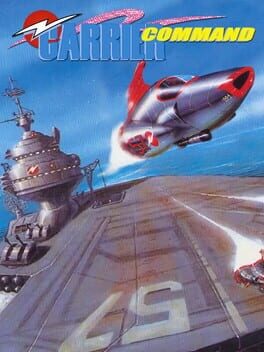
Carrier Command is a landmark 1980s computer game available on Amiga, Atari ST, PC, ZX Spectrum, Apple Macintosh, Commodore 64 and Amstrad CPC computers. Described by The Games Machine as a "seminal game destined to change the state of gaming", Carrier Command won accolades from across the industry.
Shooter / Simulator / Strategy / Action / Science fiction
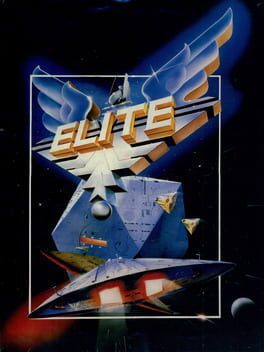
Elite is a space trading video game, written and developed by David Braben and Ian Bell and originally published by Acornsoft for the BBC Micro and Acorn Electron computers in September 1984. Elite's open-ended game model, and revolutionary 3D graphics led to it being ported to virtually every contemporary home computer system, and earned it a place as a classic and a genre maker in gaming history. The game's title derives from one of the player's goals of raising their combat rating to the exalted heights of "Elite". Elite was one of the first home computer games to use wire-frame 3D graphics with hidden line removal. It added graphics and twitch gameplay aspects to the genre established by the 1974 game Star Trader. Another novelty was the inclusion of The Dark Wheel, a novella by Robert Holdstock which gave players insight into the moral and legal codes to which they might aspire.
Simulator / Strategy / Arcade / Action / Science fiction
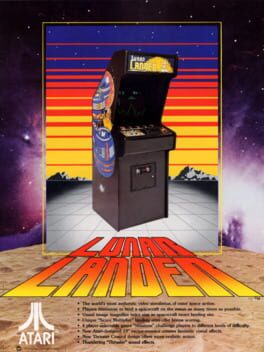
Lunar Lander is an arcade game released by Atari, Inc. in 1979, which uses a vector monitor to display vector graphics. The object is to pilot a lunar landing module to a safe touchdown on the moon.
Shooter / Platform / Simulator / Action / Science fiction
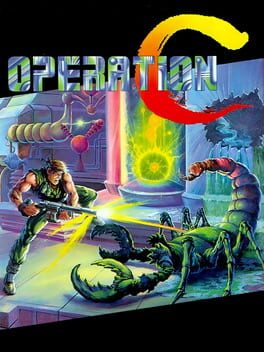
Operation C is an Action game, developed and published by Konami, which was released in 1991.
Simulator / Strategy / Turn-based strategy (TBS) / Action / Science fiction
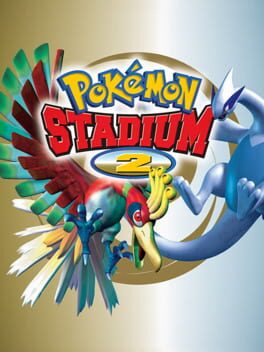
While Pokémon Stadium 2 does have a storyline, progress in the game can be made by winning Cups in the Stadium and completing the Gym Leader Castle. When all Cups have been won and the Gym Leader Castle completed, the player's Rival will appear. Defeating the Rival will unlock Round 2, in which the player must re-challenge the Stadium, Gym Leader Castle, and the Rival in order to complete the game. But, they have different Pokémon and the difficulty is much higher. Stadium: The player begins by choosing 6 different Pokémon. There are 250 different Pokémon to choose from; including some legendary Pokémon. Pokémon tournaments take place in the Stadium. There are four Cups to participate in. Each round consists of eight battles, and every Cup except the Little and Prime Cup consists of four rounds, named after Poké Balls, that must be cleared to win that Cup.