Developed by Midway Games West for Midway Games.
Role-playing (RPG) / Hack and slash/Beat 'em up / Action / Fantasy
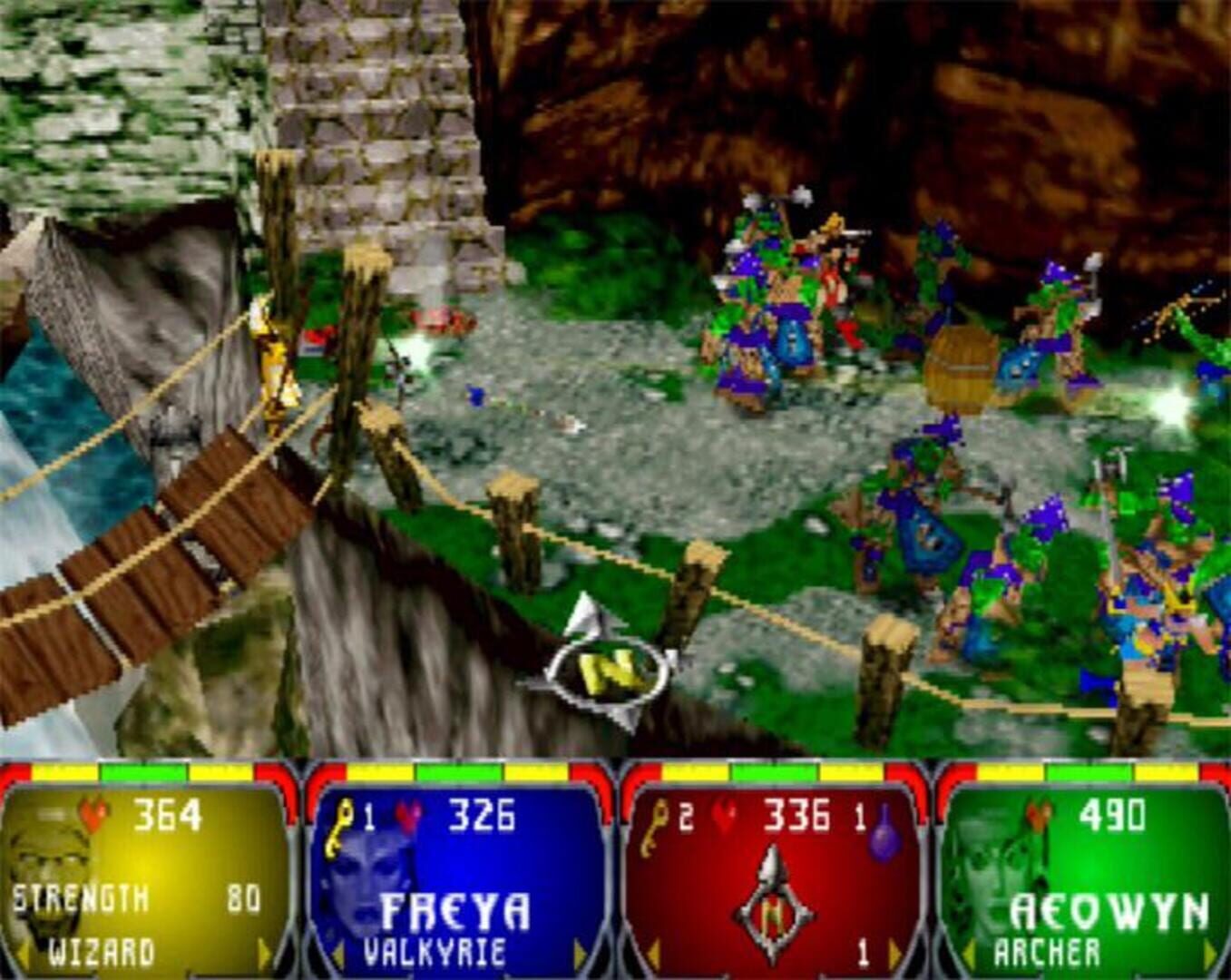
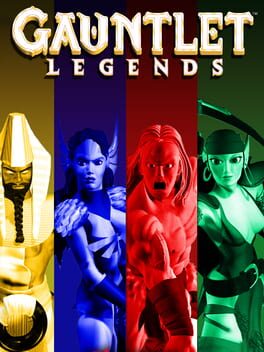
The first console version of Gauntlet Legends, released in September of 1999. This game introduced an inventory system that allowed players to stock and activate items after they were obtained, with a few exceptions (Invulnerability and Anti-Death Halo). This is also the first Gauntlet game to feature Sumner's tower and his shop. Four-player co-op is supported, but only by making use of the Expansion Pak.

Role-playing (RPG) / Hack and slash/Beat 'em up / Action / Fantasy
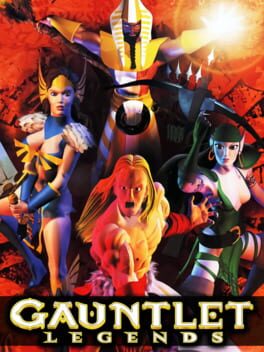
The second console version of Gauntlet Legends, released in March of 2000. This version is often criticized for its extreme diversity from the original arcade version. Most of the levels have been down-sized, many objects features buggy physics, and lack of four-player cooperative play (omitting Multitap functionality) gave the port relatively bad ratings. The game retains the inventory system from the Nintendo 64 version, the two new realms, and extensive cheat codes.

Role-playing (RPG) / Hack and slash/Beat 'em up / Action / Fantasy
Gauntlet Legends is an arcade game released in 1998 by Atari Games. It is a fantasy themed hack and slash styled dungeon crawl game, a sequel to 1985's popular Gauntlet and 1986's Gauntlet II and marks the final game in the series to be produced by Atari Games. Its unusual features for an arcade game included passwords and characters that could be saved, enabling players to play over the course of a long period.

Role-playing (RPG) / Hack and slash/Beat 'em up / Arcade / Action / Fantasy
Shadow over Mystara is a side-scrolling beat-'em-up with role-play elements that make it stand out from other similar games released at the time. In addition to the original four heroes found in its predecessor, Dungeons & Dragons: Tower of Doom (Cleric, Dwarf, Elf and Fighter), Shadow of Mystara adds a Thief and a Magic-User to the selection. Furthermore, with the inclusion of two separate versions of each character's sprite set, the game allows up to two players to select the same character (in Tower of Doom each of the characters could only be selected once), effectively giving the game 12 "different" characters to choose from. The two Clerics and two Magic Users also have subtle differences within their spell books. The controls are using four buttons: Attack, Jump, Select (brings up a small inventory ring around the character allowing the player to choose what item is set in the Use slot) and Use. The Cleric, Elf and Magic-User also have two extra rings for their spells, with the Jump button used to switch from ring to ring. While the game uses the same kick harness as the previous game, the Select and Use buttons are reversed. Shadow over Mystara also introduced a selection of special moves which are executed by moving the joystick and tapping the buttons in certain combinations, in a way similar to the Street Fighter series. The characters (except for the Magic-User) have a Dashing Attack as well as a Rising Attack which can be used to combo monsters or even juggle them in the air. Most characters (again, with the exception of the Magic-User and also Cleric) also have a Megacrush, a move common to nearly all of Capcom side-scrollers, which damages all enemies standing close enough to the character but in turn also damaging the player themselves.
Role-playing (RPG) / Hack and slash/Beat 'em up / Adventure / Action / Fantasy
While incorporating action role-playing game elements from the three games which preceded it, Legend of Mana has its own distinct style of gameplay. Most notably, it gives the player the ability to shape the game's world of Fa'Diel according to his or her desires, a system which was incorporated through the use of "artifacts," which are gained as the player progresses through the game. The player uses the artifacts to create different towns, dungeons, etc., called "Lands", to venture to and explore. This creates a non-linear gameplay, since the game is driven by a series of what would be considered side-quests in other games. Legend of Mana features three different plots which can occur simultaneously, and which do not necessarily need to be completed for the player to finish the game. Legend of Mana was a financial success in Japan. While the game garnered considerable praise for its graphics and presentation, many critics and fans were turned off by the game's lack of a main storyline.

Role-playing (RPG) / Hack and slash/Beat 'em up / Arcade / Action / Fantasy
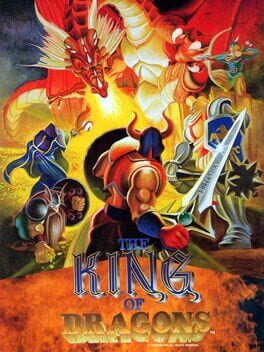
The game has 16 levels, though many are quite short. Much like Capcom's Knights of the Round, King of Dragons features an role-playing video game-like level advancement system. Points scored for killing monsters and picking up gold count towards experience, and the character gains levels at regular intervals. With each level, the character's health bar increases, other attributes such as range improve, and the character also becomes invulnerable for a few seconds. Along the way, different weapon and armor upgrades for each character may also be picked up. King of Dragons features a simple control system that consists of a single attack button, and a jump button. By pressing both buttons, the character unleashes a magical attack that strikes all enemies in screen (its strength varies according to the character used) at the expense of losing energy. The fighter, cleric and dwarf can also use their shield to block certain attacks by tilting the joystick back right before the impact. This is one of the many Capcom games to feature the yashichi power-up item. There are three such power-ups hidden throughout the game, each giving the player an extra continue.

Role-playing (RPG) / Hack and slash/Beat 'em up / Adventure / Action / Fantasy
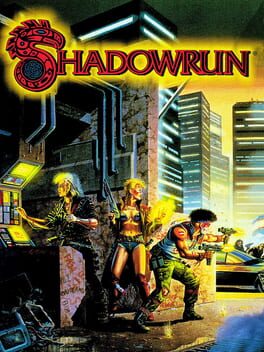
Shadowrun is an action role-playing game.It was adapted from the cyberpunk role-playing game Shadowrun.The game is the second video game adapted from Shadowrun, and has a more open ended style of gameplay than its 1993 Super NES counterpart, Shadowrun by Beam Software. The game is set in the Shadowrun universe, in the 2050s. A time where the blending of technology and human flesh is common; it is around the time the Matrix, a huge computer network, came online, with the ability to jack into its cyberspace directly. It was also a time of magic renewal: a phenomenon known as The Awakening occurred, where magic returned into the world. Sorcery was once again possible, and slowly and seemingly at random humans began to mutate into orcs, dwarves, elves or trolls. This time of upheaval was not without political conflicts: mega-corporations began to control the world. But with their magic, native shamans threatened them and the world geography came to a complete change. The Amerindians and Elves reclaimed an area called Salish-Shidhe, close to the free city of Seattle, a major city in the newly formed United Canadian and American States.

Fighting / Role-playing (RPG) / Hack and slash/Beat 'em up / Action / Fantasy
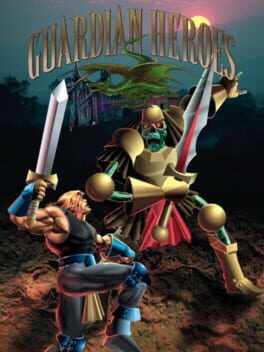
Guardian Heroes is a 2D side-scrolling beat 'em up video game with RPG elements developed by Treasure and released in 1996 for the Sega Saturn. A band of young adventurers begin a quest to change the fate of their kingdom after an enchanted sword falls into their hands. Players may choose between four characters, each with their own unique fighting style, and embark on many different paths in the game's story mode. The game also includes a special versus mode wherein up to six players can compete against each other in arena combat.

Fighting / Role-playing (RPG) / Hack and slash/Beat 'em up / Action / Fantasy
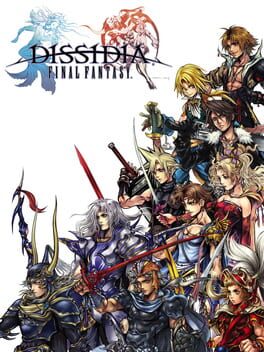
Dissidia Final Fantasy is a 3D-arena fighting game with RPG elements featuring 20 characters, heroes and villains, from the first 10 final fantasy games summed by the god of discord and the goddess of harmony to fight over the fate of the world.