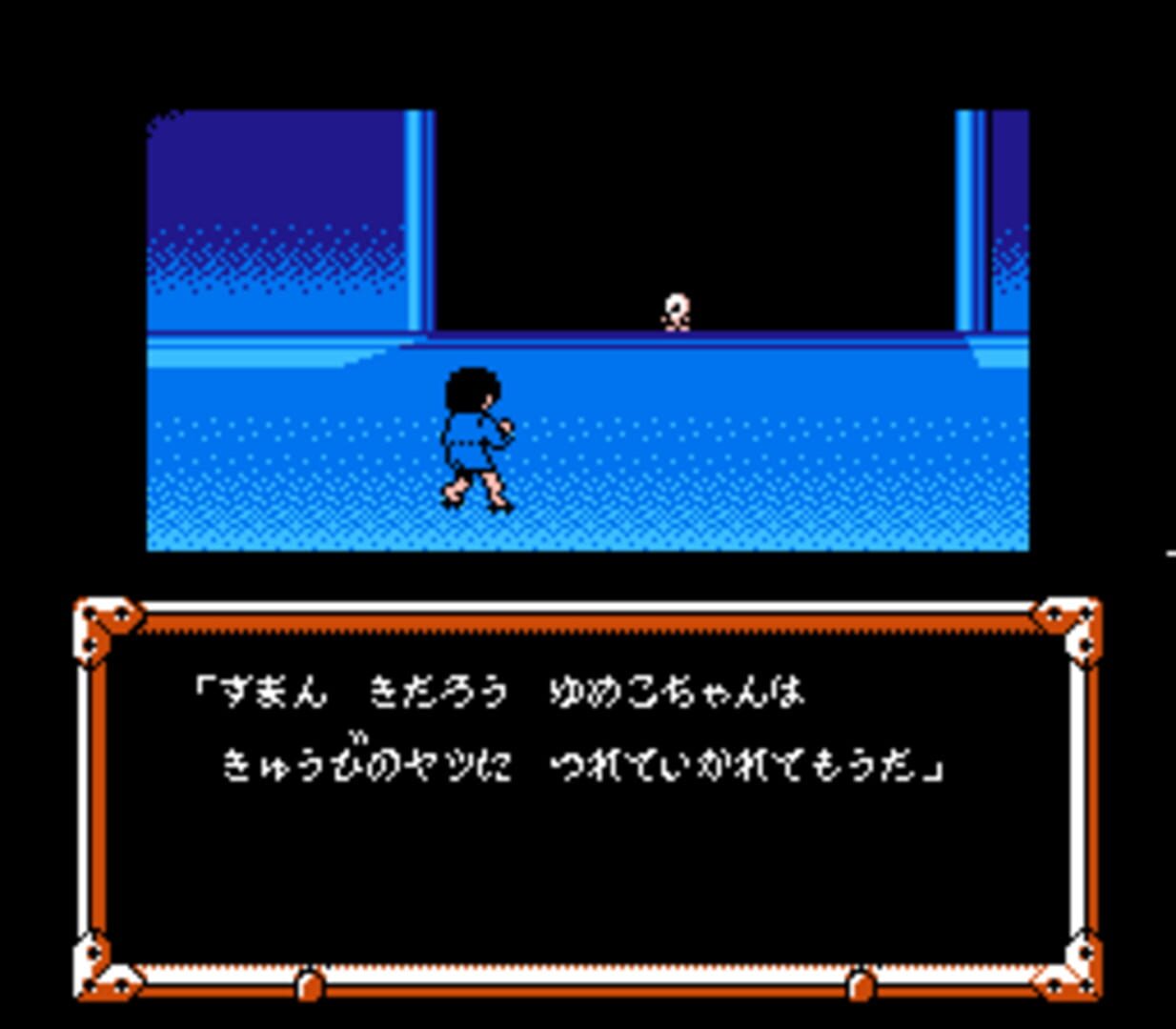
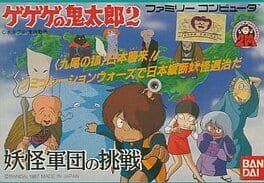

GeGeGe no Kitaro 2: Youkai Gundan no Chousen is a RPG game based on a manga and anime from Japan about a boy who is a youkai, a class of spirit-monster to which all of the main characters belong. The main character, Kitarou, is the last living member of a Ghost tribe. He is missing his left eye, but his hair usually covers the empty socket. He fights for peace between humans and yōkai, which generally involves protecting the former from the wiles of the latter. While the game follows the release of GeGeGe no Kitaro: Youkai Daimakyou (released in the U.S as Ninja Kid), it is not a direct sequel to the original game, which is an action side-scroller. GeGeGe no Kitaro 2 plays very much like a simplified traditional RPG. Fights are turn-based, where the player must input his command, and then watch the sequence of event play out until the round is over and the next round begins. However, even though it is simplified, it is actually a rather difficult and challenging game. In the very beginning of the game, Kitarou struggles to survive more than two fights against monsters before needing to return home and rest until he reaches level 2. A majority of the enemies only provide experience points in the single digits until much later in the game, although to compensate, the amount of experience needed to reach each level is low by comparison as well. Kitarou maxes out at Level 10 when he reaches 999 experience points. The map of the game's overworld is a fairly faithful representation of Japan, along with part of Korea and a small unidentified island. Kitarou must explore the island nation to rescue his girlfriend and the rest of the world from the onslaught of evil Youkai that threaten to take over the world of the living. He must locate several homes, castles, and cave entrances to make his way through Japan, which suffers from spirit storms that prevent him from exploring new regions on the island until some task has been completed first.
Kitarou had left his weapons at home and was on a trip when the Tennyo appeared to him and told him that Japan had been taken over by youkai. Kitarou returns home, but finds his weapons and his father missing from his house, and his girlfriend Yumeko Tendo, who was supposed to be a bridge between Kitarou and the Tennyo, has also been kidnapped.
Role-playing (RPG) / Adventure / Fantasy / Comedy
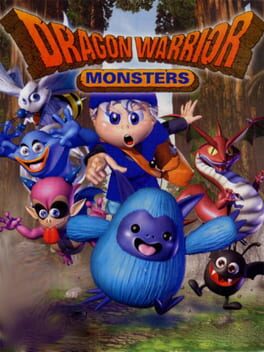
Dragon Quest Monsters is a turn-based RPG that involves recruiting monsters to fight for you in random encounters. Two recruited monsters can be fused together for a better one and extra monsters can be stored on a farm while not in your party. It was released in Japan for the Game Boy Color before the system was released.

Role-playing (RPG) / Adventure / Action / Fantasy
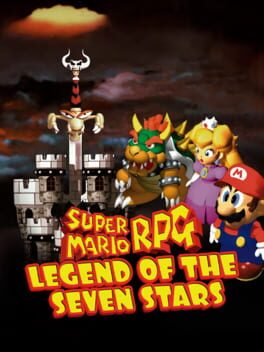
A JRPG entry in the Super Mario franchise in which Mario meets many unlikely allies in order to jump and fight his way through the Mushroom Kingdom and collect stars to repair the Star Road, the pathway that grants people's wishes, which was destroyed by Smithy, the otherworldly entity that hijacked Bowser's castle and threw the Kingdom into disarray.

Puzzle / Role-playing (RPG) / Adventure / Action / Fantasy
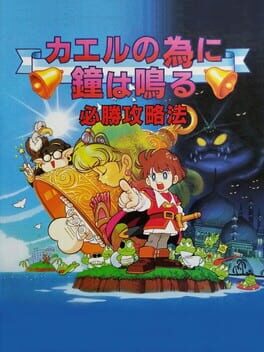
In a land far away, the two princes—Richard (of the Custard Kingdom) and the game's main protagonist (prince of the Sablé Kingdom)—have shared a friendly rivalry since they were small children. They often compete, although it usually ends in a tie or close win. In Fencing however, Prince Richard is always the victor. One day a messenger arrives from a small neighboring kingdom, warning the princes that the evil King Delarin has invaded the Mille-Feuille Kingdom and captured the beautiful princess Tiramisu. In yet another boastful attempt to best the Sablé Prince, Richard grabs a boat and rushes towards the kingdom. The Sablé Prince is left trying to catch up. While on his journey, he and Richard (and many others) are transformed into frogs in an attempt to reveal the true happenings in this kingdom. The game and its characters were mentioned many times in the Super Smash Bros. series as trophies, stickers, spirits and as the Assist Trophy of the Sablé Prince. In these series, the game was officially romanized as "Kaeru no Tame ni Kane wa Naru".

Racing / Role-playing (RPG) / Turn-based strategy (TBS) / Fantasy
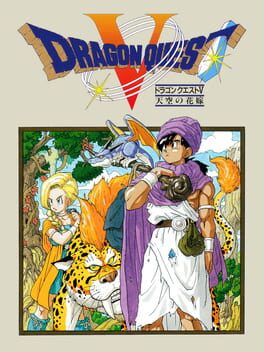
Dragon Quest V: Tenkuu no Hanayome is a role-playing video game and the fifth installment in the Dragon Quest video game series, second of the Zenithian Trilogy. Originally developed by Chunsoft and published by Enix Corporation, Dragon Quest V was the first title in the series to be released for the Super Famicom video game console in Japan in September 1992. Dragon Quest V was the first game in the series to not be released outside Japan due to programming issues at the time.

Point-and-click / Role-playing (RPG) / Adventure / Fantasy / Comedy
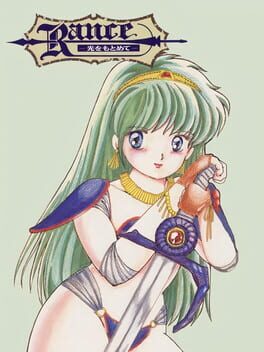
Rance: Hikari Quest is an exploration game in which you play as Rance as he takes on the mission to go and save Hikari, a girl who has been kidnapped.

Role-playing (RPG) / Strategy / Adventure / Fantasy / Comedy
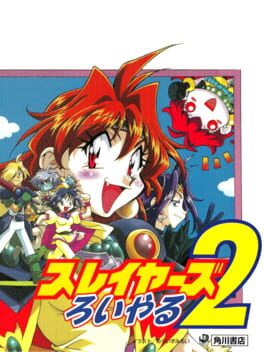
Saturn and PlayStation game based on the hit anime series.

Role-playing (RPG) / Adventure / Action / Fantasy
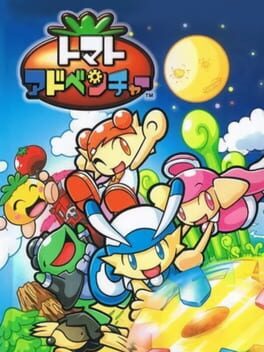
From AlphaDream and Graphic Research, Tomato Adventure is an RPG released only in Japan. Taking place in a kingdom with tomatoes abound, the gameplay is similar to that of the Mario & Luigi series. Tomato Adventure, in terms of gameplay mechanics, is the predecessor of the Mario & Luigi series of games, even having its engine reused in the first installment on the GameBoy Advance. Originally developed for the Game Boy Color, Tomato Adventure transitioned to its successor, the Game Boy Advance, when the latter was released. The main difference between the two versions is believed to lie in the quality of audio and graphics, although little substantial information exists on the Game Boy Color version. Tomato Adventure incorporates a number of RPG standards such as leveling up and travelling to various places to advance the plot. However, the battle system itself is substantially different than most games in the genre, as players have a more active role in how the fights turn out. During the player's turn, they can select a character's attack and then their target. From there, they must perform one of a number of different minigames which determines how successful the attack is. These range from simple button mashers to stopping a meter at a specific point. While attacks can land without reaching the optimal point, their effectiveness tends to be severed in the process. Additionally, each attack has a separate amount of usage points which dictate how many times the player can use that specific attack before needing to revitalize themselves.

Role-playing (RPG) / Adventure / Visual Novel / Action / Fantasy
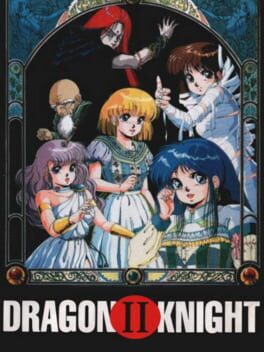
Dragon Knight II is the predecessor to Knights of Xentar, the only Dragon Knight game that was ever translated into English. This is a first-person game that is mainly dedicated to dungeon exploring. Takeru has to explore the three dungeons, fighting enemies and sometimes talking to dungeon inhabitants. The enemies are the girls who were turned into monsters by Mesaana. In town, Takeru can also buy weapons, armor, and items, and talk to various people.