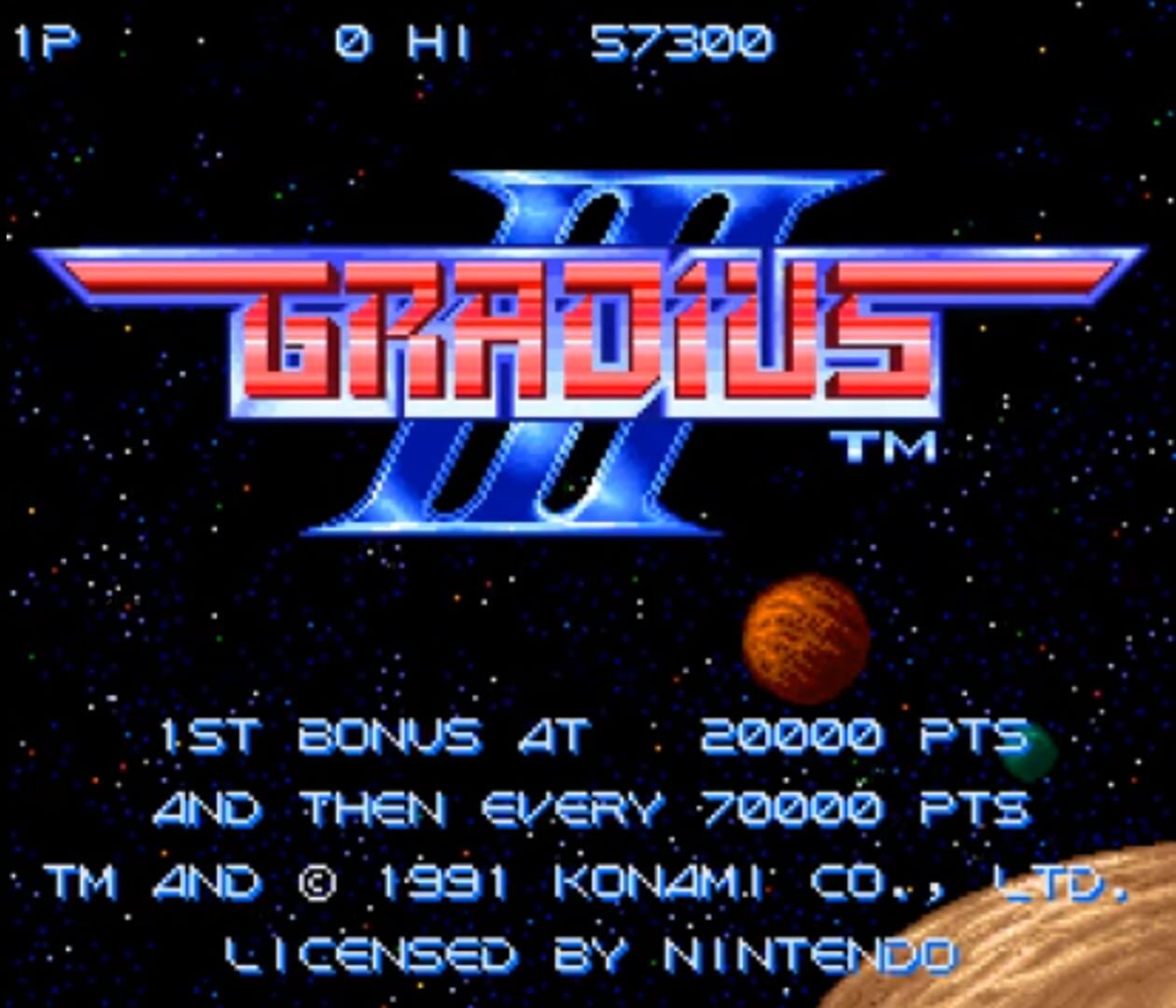
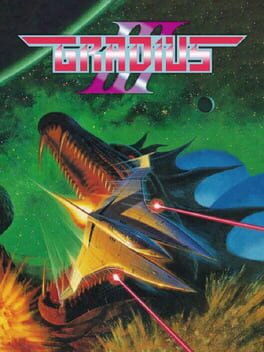
In the darkest reaches of infinite space, pure evil lies in wait ... The Dark Forces led by the god of destruction, Bacterian, prepare to launch a massive onslaught against the planet Gradius. Possessing unstoppable power, the Dark Forces threaten to plunge the Universe into total war and complete annihilation. Their invasion force smashes the Gradius defenses, and the surrounding planets soon fall like dominoes. Now Bacterian's evil grasp reaches for the heart of the resistance...planet Gradius itself... To counter the oncoming threat the United Gradius World Forces gather all their fighter craft. Half of them form a defensive net - the other half a strike team. But they are badly outnumbered and The Dark Forces easily tear through their thin frontline. No fighters survive the slaughter.... In a last gasp move, the United Gradius World Forces send out two fighters, previously considered too dangerous for combat missions: The InterDimensional VIC VIPER fighters. The Fighters take off for the heart of darkness to join the fray that will decide the fate of the Universe...

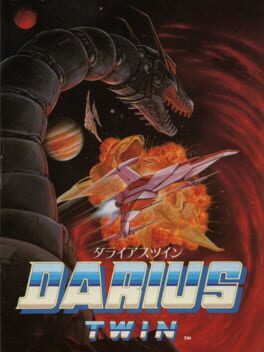
Darius Twin is a shoot 'em up video game released for the Super NES in 1991. It was the first new installment in the Darius series to not be originally designed for the arcades, and also the first to have a normal 4:3 screen-ratio. Interestingly, while it's a unique game in the Darius series, it appears to reuse sprites and background designs from Darius and Darius II. Also, while the names of the bosses are new, they really are reworkings of previous bosses for the most part.

Shooter / Platform / Adventure / Action / Science fiction
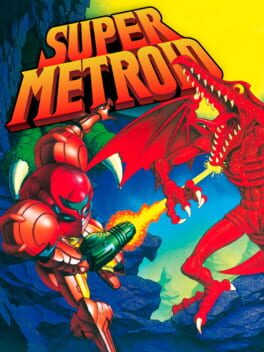
The Space Pirates, merciless agents of the evil Mother Brain, have stolen the last Metroid from a research station, and once again Mother Brain threatens the safety of the galaxy! Samus Aran must don her awesome array of high-tech weaponry to retrieve the deadly Metroid hidden deep within the cave-riddled planet Zebes. Super Metroid features excellent graphics, with a huge variety of enemies and worlds to explore. The side-view action will be familiar to many players, only now there are new weapons and items, including the Grappling Beam, which allows Samus to swing across large chasms, and the X-Ray Scope, which reveals secret passages.

Shooter / Platform / Adventure / Action / Science fiction
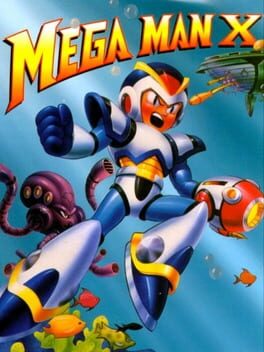
Mega Man X, known as Rockman X in Japan, is the first game of the Mega Man X series. It was the first spin-off of the classic Mega Man series and made its debut on the Super Famicom/SNES, initially released in 1993. It was ported to the PC in 1995, and to Android and iOS devices in 2011. It was re-released as part of Mega Man X Collection in January 2006, then later re-released in Mega Man X Legacy Collection in July 2018. The game takes place in the year 21XX (early 22nd century), a century after the conclusion of the classic Mega Man series, and stars a new main character named X.

Shooter / Hack and slash/Beat 'em up / Action / Science fiction
In the game you are a male or female protagonist (Zeke or Julia), fighting the vampires, mummies, zombies, etc. on over 50 levels (not including secrets) and saving all of the people you find. There are defined number of neighbors you save on every level. When they are free then "Exit" door opens and you jump on next level.The levels differ from mall and grocery store to beaches and football fields. Using different weapons such as bazooka or water gun you have to kill the bosses such as huge babies, dragons or ants at the end of levels. You can play the game with two players cooperatively.

Shooter / Adventure / Action / Science fiction
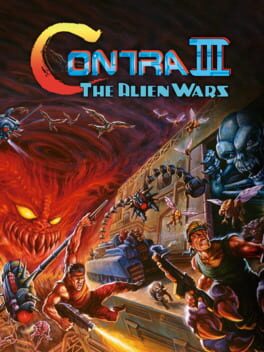
This game is action from beginning to end, do not think that you will have a moment of peace, even because Aliens are at war with planet earth, and resting will be your least concern.

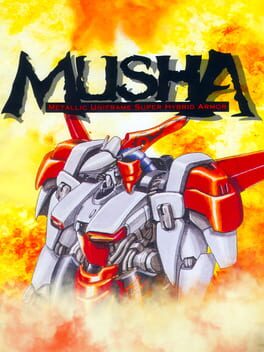
M.U.S.H.A. is a Sega Genesis vertical-scrolling shooter from Compile and Seismic originally released in 1990 and later re-released on the Nintendo Virtual Console in 2009. The game is known for its rarity and its ability to fetch high prices on auction sites.

Shooter / Arcade / Action / Science fiction
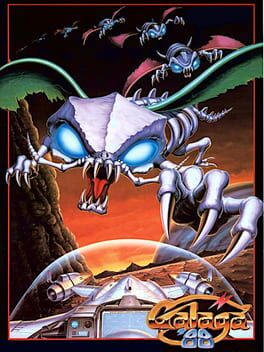
The gameplay in Galaga '88 is built on the same premise as that of the original Galaga game, but is in many ways more complex and more difficult. The game is divided into a series of 29 Stages distributed through eight Worlds. The starship Galaga accelerates between Stages and Worlds and even to higher dimensions (go to the section on Dimensional Travel below to find out more). With the exception of the third and eighth, each World culminates in a Challenging Stage. There are six such stages to engage in any full game, and each begins with the on-screen announcement "That's Galactic Dancin'!" and has its own YM2151-generated song to which the enemy formations dance. In any given Challenging Stage, both the design of the enemies and their dancing formations shall vary according to the player's current Dimension. As in Galaga, the objective is to destroy all forty enemies before they fly away off the screen. However, refraining completely from touching any controls for the duration of a Challenging Stage awards a "secret bonus" ranging in value from 10000 to 25000 points, and equal to the "special bonus" which would have been awarded for destroying all forty enemy aliens instead. Galaga '88 introduces a variety of new enemies and behaviors. Most of these special enemies are worth varying amounts of bonus points when destroyed. Some enemies can combine into larger enemies which take multiple hits to destroy, while others arrive in eggs, explode in a shower of fireworks, grow with multiple hits, or sport armor which makes them invincible while in formation. Certain enemies drop small formations of tiny creatures that wiggle their way down the screen, and still others can act as escorts to incoming groups of enemies and then quickly dive at the player before leaving the game. Most stages also include various obstacles which appear once the enemy formation has been assembled. These can be destroyed with either one or several shots, and the first one on each stage will leave a "Warp Capsule". At the start of the game, the player can select how many Galaga starships to start with (one or two), affecting their number of remaining lives. The game ends after the final boss is defeated (or when the player's last ship is destroyed or captured) - in the latter case, the player can continue the game for an additional credit. The Game Over screen shows the player's hit-miss ratio and a visual representation of their progress. If the player reaches Stage 27, the game also shows a picture of the final boss (damaged if defeated, but silhouetted if not). If the arcade operator has set the "continue" option to "on", the player also cannot continue if he is defeated on Stages 27-29.