
Developed by Tose for Yojigen.
Fighting / Adventure / Fantasy / Historical
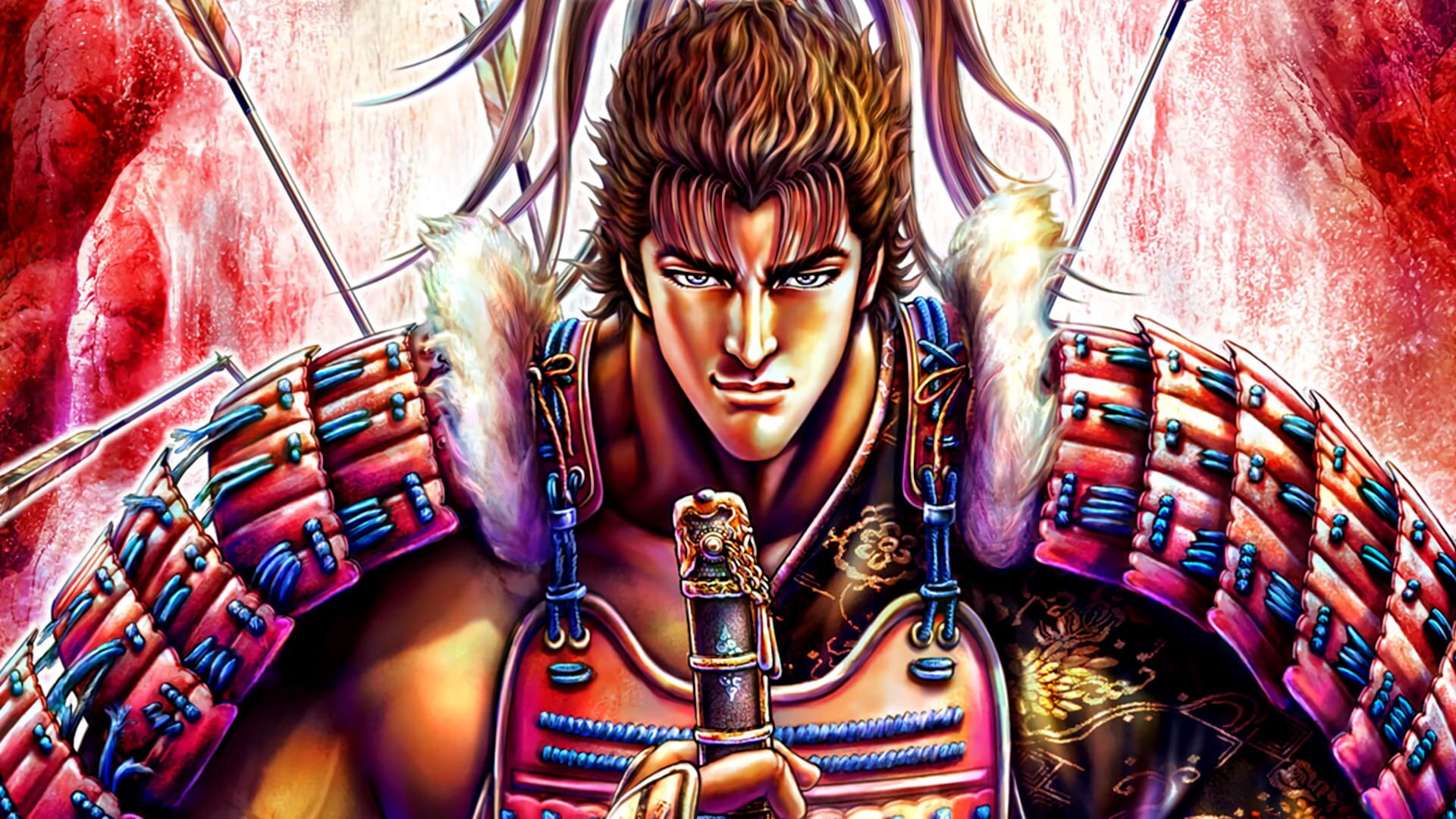
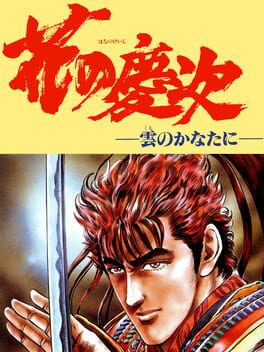
Hana no Keiji: Kumo no Kanata ni is a weapon-based versus fighting game based on the manga of the same title (created by Tetsuo Hara). There are two playable modes, in one you can follow the manga story, while in other you can fight against the computer or player two. There are eight different characters and scenarios to choose from. When following the manga story, there are different paths depending on the choice that the player makes. The most significant thing about the versus battle is that the characters can lose their weapons as much as recover them. Also, a special trick can be executed when the player has enough energy.
During the closing years of the civil war period and uneasy reign of Toyotomi Hideyoshi, when men high and low scramble to follow conventional propriety so that they don't attract undue notice (or death) to themselves, there is one very bizarre individual who is known for his legendarily outlandish and wild personality, physical appearance and behavior. Experience the adventures of Keiji Maeda from personal conflicts with his adopted Maeda family, brave combat exploits, travels to the capital, and relationships with famous existing figures such as Iyeyasu Tokugawa, Rikyuu the tea master, and Hideyoshi himself, to experiences with the foreign and Japanese Christian faithful.
Fighting / Role-playing (RPG) / Adventure / Action / Fantasy
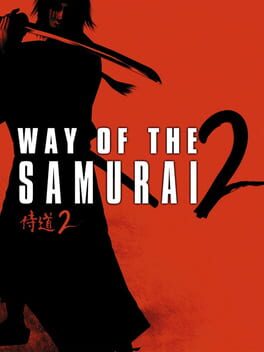
As a peaceful town becomes victim to extreme violence and unrest, a Samurai arrives with the ability to change the town's destiny. In Way of the Samurai 2, you'll take on the role of the Samurai in feudal Japan and battle to save the town of Amahara. Now you can experience traditional Samurai techniques, with realistic swordfighting moves and more than 60 powerful swords. Whether you free the innocent or join the corrupt, your decisions affect the game's ending.

Fighting / Adventure / Action / Fantasy
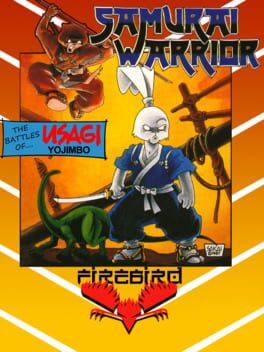
Samurai Warrior: The Battles of Usagi Yojimbo is a computer game released for the Commodore 64, ZX Spectrum and Amstrad CPC platforms in 1988, by the now-defunct label Firebird. The package artwork comes from the cover of the comic book Anything Goes #6. It was developed by Beam Software, published by Firebird, and distributed by Thunder Mountain. It is a one-player Beat 'em up game that comes on either a Cassette tape or Floppy disk (depending on the platform), and is played with a joystick. The game was released in the United States under the title Usagi Yojimbo as part of the Thunder Mountain Action Pack, Vol. 1. It was contained on Disk 1, Side 1 along with the games Great Escape, Paradroid, and (on Side 2) Implosion. The packaging for this version used artwork from the cover of Usagi Yojimbo Volume 1, # 17 along with images from the other games included in the set.

Fighting / Hack and slash/Beat 'em up / Adventure / Action / Fantasy
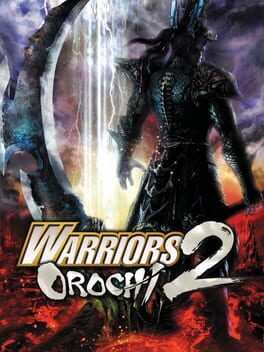
Warriors Orochi 2 is a 2008 video game developed by Koei (now Tecmo Koei) and Omega Force for the PlayStation 2. It is the sequel to Warriors Orochi, a crossover video game of the Dynasty Warriors and Samurai Warriors series. The game was released on September 23 in North America and September 19 in Europe. A version for the Xbox 360 was released on September 4, 2008 in Japan, and alongside the PS2 releases in North America and Europe. A PlayStation Portable version has been released in Japan, North America and Europe.

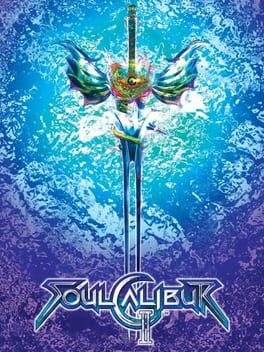
SoulCalibur II is the third installment in the Soul series and continues the tradition of his predecessors with improved graphics, new characters and new levels. A majority of the action takes place in Weapon Master mode where you have to choose a character and travel a set map to fight the many other warriors through different levels and challenges. Console ports were released, including guest characters from other franchises. The Arcade version has a unique mode called "Conquest Mode". This mode, which uses a name and password system to save data, allows the player to select one army among four. The player then fights against enemies in a series of eight 1-round battles, win or lose (the first seven are based on the player's rank, and the eighth is chosen by the player – this can only be interrupted by a Versus challenger.) After each round, the player earns EXP and can be promoted, and the game also rates the player in four categories: Soul, Power, Wisdom and Skill. The game also keeps track of which moves the player knows and uses most often. After the eight battles, territory control is updated and the player has the option to fight a bonus round against their character played by the AI.

Fighting / Hack and slash/Beat 'em up / Adventure / Action
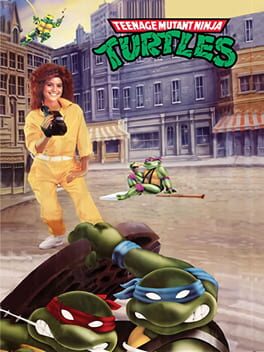
NOTE: This is the original 4-Player Arcade release, not the NES Title. The player chooses from one of the four Ninja Turtles: Leonardo, Michelangelo, Donatello, and Raphael. After Shredder kidnaps the Turtles' friend April O'Neil and their mentor Splinter, they must give chase, save their comrades, and defeat the evil Shredder. The player chooses from one of the four Ninja Turtles: Leonardo, Michelangelo, Donatello, and Raphael. Depending on the version of the game, the characters are either, chosen at the start of the game or assigned by control panel. After Shredder kidnaps the Turtles' friend April O'Neil and their mentor Splinter, they must give chase, save their comrades, and defeat the evil Shredder. Up to four players (two in some versions) can take control of any of the Turtles. Donatello has slower attacks but a longer range, Michelangelo and Raphael have faster attacks but a shorter range, and Leonardo is a well-rounded Turtle with average range and speed. The eight-way joystick controls the movements of the Turtle, the jump button makes them jump and the attack button makes them hit in front of them using their weapon. In addition to this, some combinations are possible. The Turtles can throw Foot soldiers overhead, and by pressing the jump and attack buttons, a special attack is performed. Raphael rolls along the ground and finishes with a kick, while the other Turtles do a sweeping jump attack with their weapons. Turtles can also spring off the wall in certain areas. Enemies can be defeated more quickly by slamming them into walls or solid objects. Many objects such as traffic cones, parking meters, fire hydrants and exploding oil drums can be hit or damaged with attacks in order to help defeat nearby enemies. In the attract mode, the game showed the first part of the cartoon opening, along with a portion of the Teenage Mutant Ninja Turtles theme song. Most of the enemies the Turtles face are the Foot Soldiers, all color-coded to indicate their attack patterns and weapon of choices. Some enemies, such as the standard purple-clad Foot Soldiers and Roadkill Rodney robots, have the ability to restrain the Turtles' mobility and drain their health, leaving the player open to attack for other enemies. The bosses in the game include Rocksteady and Bebop (individually at first in that order, and later the two of them together), Baxter Stockman, Granitor, General Traag, Krang, and Shredder himself.

Fighting / Arcade / Action / Fantasy
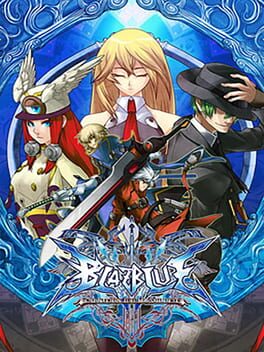
BlazBlue: Continuum Shift is a fighting game developed by Arc System Works as a direct sequel to BlazBlue: Calamity Trigger. BlazBlue: Continuum Shift retains the traditional 2D fighter gameplay of two characters participating in a duel on a two dimensional plane and features a selection of new playable characters.

Fighting / Adventure / Action / Fantasy
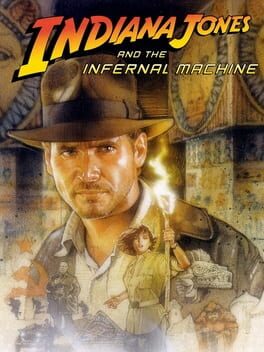
1947. The Nazis have been crushed, the Cold War has begun and Soviet agents are sniffing around the ruins of the fabled Tower of Babel. What are they up to? The CIA wants renowned archaeologist and adventurer Dr. Henry "Indiana" Jones, Jr. to find out. Grab your whip and fedora and join Indy in a globe-spanning race to unearth the mysterious "Infernal Machine."

Fighting / Arcade / Action / Fantasy
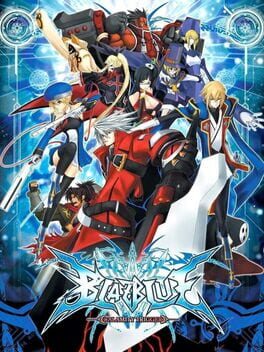
BlazBlue: Calamity Trigger is a fighting game developed by Arc System Works in 2008 and is the first game in the BlazBlue series. The game was originally developed for Japanese arcades and later received console and PC ports. The game is a traditional 2D fighter where two characters participate in a duel. Every character has a weak, medium and strong attack, as well as an "unique" technique, called a Drive attack, which is different for each character. Various combos can be performed by every character through careful input of regular and Drive attacks.